

For streetwear-minded shoppers who want structure, print space, and longevity, a combed ring-spun or air-spun cotton heavyweight tee with substantial fabric weight is the best choice. Imuskop’s curated graphic collection is the place to start.
Why heavyweight tees win for this audience:
- Structure: Heavier fabric holds its shape, creating a cleaner silhouette that doesn’t cling or distort under a graphic.
- Print surface: Denser cotton resists puckering, so large-format and dense-ink designs stay sharp wash after wash.
- Durability: Heavier knits outlast thin tees through repeated wear at events, protests, and everyday rotation.
- First check on the product page: Look for the oz or GSM spec before anything else. If it’s not listed, ask or skip it.
Table of Contents
- What does “heavyweight” actually mean on a t-shirt label?
- Why heavyweight tees are built for bold graphics and activism
- How to choose the right heavyweight tee before you buy
- How to get the fit right for streetwear silhouettes
- How to wash and store heavyweight graphic tees
- Outfit ideas that make your graphic tee the focal point
- Key Takeaways
- Why the weight spec is the most underrated detail in streetwear
- Imuskop’s heavyweight graphic tees: where to start shopping
- Useful sources
What does “heavyweight” actually mean on a t-shirt label?
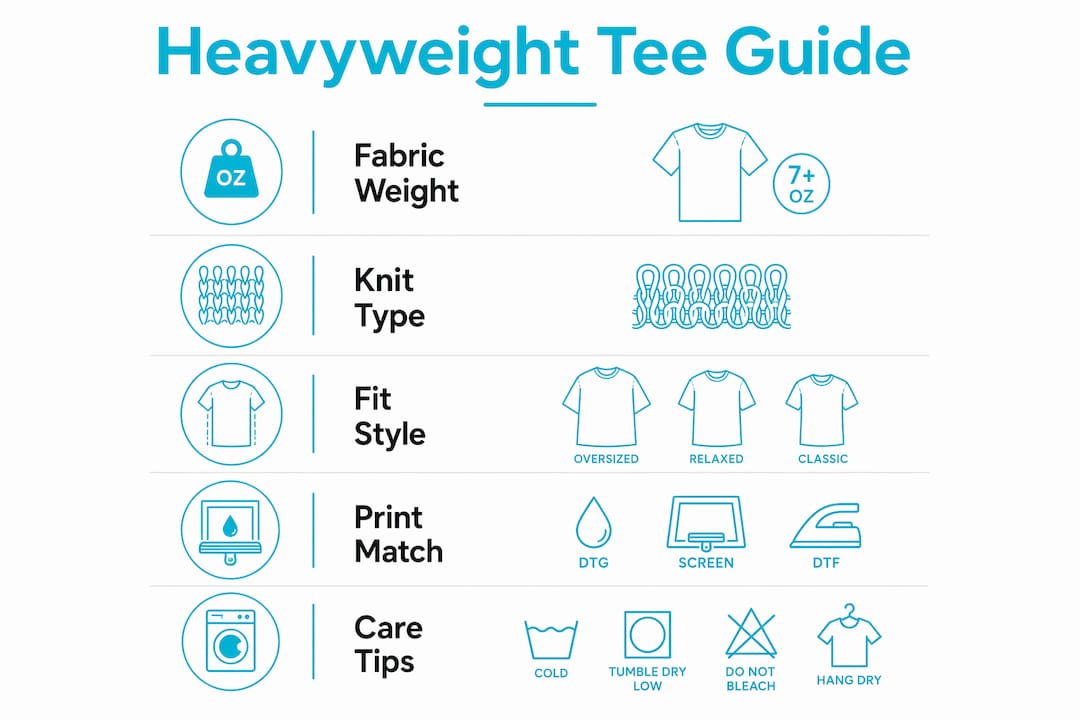
Fabric weight is measured two ways: ounces per square yard (oz) and grams per square meter (GSM). Both numbers appear on product pages and spec sheets, and knowing the ranges helps you filter fast.
Heavy tees start around 6.5 oz (roughly 220 GSM) and climb past 12 oz for extra-heavyweight styles. The sweet spot for graphic streetwear sits between 7 and 10 oz (about 220–280 GSM), where you get real structure without the shirt feeling like a sweatshirt.
| Category | oz range | GSM range | Feel |
|---|---|---|---|
| Lightweight | Lower weight fabrics | Light and drapes close to skin | |
| Midweight | Moderate weight fabrics | Standard tee feel | |
| Heavyweight | Higher weight fabrics | Structured, holds shape | |
| Extra-heavyweight | Very heavy fabrics | Sweatshirt-adjacent heft |
Knit type matters as much as the number. Ring-spun cotton is tighter and softer than open-ended (air-spun) yarn. Air-spun yarns produce a stubby, textured surface with a dense hand and real breathability. Loopwheeled construction creates a tubular, seam-free body using a slow vintage knitting process, giving superior shape retention without necessarily adding raw GSM. Each method changes how the fabric feels at the same weight.
Why heavyweight tees are built for bold graphics and activism
GQ editors call heavyweight tees the “prime cut” of an outfit because they add structure and serve as a better canvas for prints than thin-knit alternatives. That’s not just style talk. Heavier fabric resists puckering under dense ink and large-format graphics, so colors read more evenly and the print holds its shape longer.
For activism-driven messaging, that matters. A slogan or graphic that distorts after three washes loses its impact. A 7–9 oz tee (about 220–255 GSM) worn to a rally or a show keeps the message readable.
Style benefits of going heavy:
- Larger prints have a stable, flat surface to sit on, with no fabric ripple breaking up the design.
- The cleaner drape makes layering under an open flannel or overshirt look intentional, not sloppy.
- Heavier cotton survives frequent washing without pilling or thinning, which matters for tees you wear hard.
- The structured silhouette photographs better, which counts when you’re wearing something worth documenting.
Pro Tip: Match the fabric weight to your print type. Dense ink and large fills work best on 7–9 oz (about 220–255 GSM) ring-spun cotton. Puff prints and embroidery need even more stability, so lean toward 8–10 oz (250–280 GSM). Fine-line or halftone graphics can work on 6.5 oz (220 GSM), but anything heavier gives you more margin for error.
How to choose the right heavyweight tee before you buy
Work through these six checkpoints in order. Skip one and you’ll likely regret the purchase.
- Fabric weight: Confirm the oz or GSM spec is listed. If the brand won’t publish it, treat that as a red flag.
- Yarn and knit: Ring-spun or combed ring-spun cotton is the baseline. Loopwheeled or air-spun construction justifies a higher price.
- Print method: Screen print holds up better than direct-to-garment (DTG) on heavy cotton for bold graphics. Ask if the brand specifies.
- Collar and stitching: A rib-knit crewneck and side-seam construction are durability signals. Tagless necks are a bonus for comfort.
- Price and value: Multipacks can be affordable for basics, but budget-heavy options often trade off premium knit quality. Pay more for loopwheeled or air-spun yarns when longevity matters.
- Authenticity check: Vague GSM claims (“heavy cotton” with no number) and missing care labels are signs of low-quality construction. Product photos showing collar stretch, fabric texture close-ups, and flat-lay measurements are the clearest trust signals when shopping online.
| Dimension | What to look for |
|---|---|
| Fabric weight | 7–10 oz (approximately 220–280 GSM) for streetwear |
| Material & knit | Combed ring-spun, loopwheeled, or air-spun cotton |
| Fit | Boxy or regular; confirm chest width and body length |
| Print method & quality | Screen print preferred; check for print placement photos |
| Price / value | Pay a premium for loopwheeled; save on basics with plain heavy cotton |
| Best for | Activism graphics, layering, everyday structured streetwear |
How to get the fit right for streetwear silhouettes
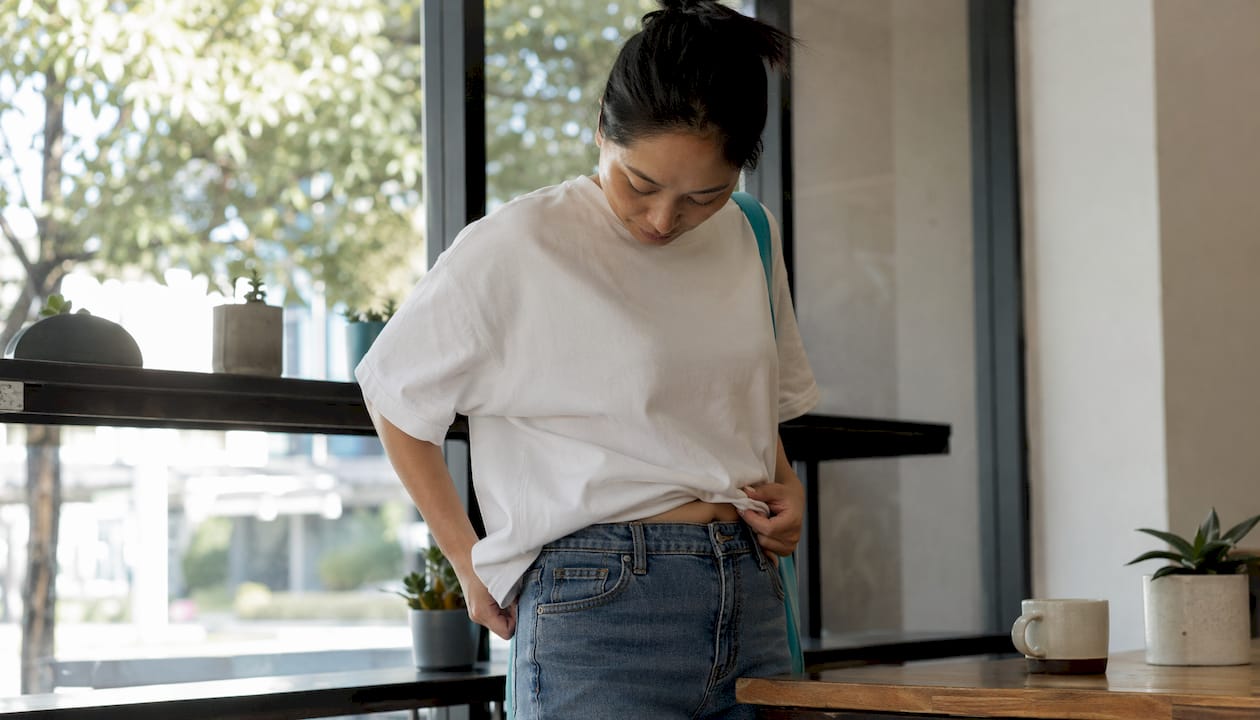
Boxy fits are the default for graphic-heavy streetwear. The extra width across the chest and shorter body length let a large print breathe without getting swallowed by the fabric. Regular fits work when you want the tee to read cleaner under a jacket. Oversized fits, where you size up one or two, create the dropped-shoulder look that dominates current street style.
Sizing rules that actually help:
- Size up one for a relaxed, lacerable fit over a long-sleeve base.
- Size up two for a true oversized silhouette with a dropped shoulder.
- Check the chest width measurement, not just the size label. A “large” varies by brand by as much as 2–3 inches.
- Body length matters for tucking or cropping. Shorter bodies (27–28 inches) crop naturally; longer ones (30–31 inches) give you more styling options.
- Read the model measurements on the product page. Size charts with explicit garment measurements reduce fit surprises, especially for boxy and oversized silhouettes.
For activism graphics, a boxy or slightly oversized fit gives the print more real estate and keeps the message front and center. A slim or fitted cut can compress the graphic and potentially distort the design.
How to wash and store heavyweight graphic tees
The number-one way to ruin a heavyweight tee is heat. High-heat washing and drying shrinks the fabric, cracks the print, and breaks down the knit structure faster than anything else.
Do:
- Wash cold, inside out, on a gentle cycle.
- Tumble dry on low heat or air dry flat.
- Use a mild detergent without bleach.
- Fold and store flat to preserve the collar shape.
Don’t:
- Use hot water or a hot dryer setting.
- Iron directly over a screen-printed graphic.
- Hang heavy tees long-term. The weight of the fabric stretches the collar and shoulders over time.
- Use bleach or fabric softener, which degrades cotton fibers and dulls print colors.
| Knit type | Expected shrinkage | Pre-buy strategy |
|---|---|---|
| Open-ended / air-spun | Moderate (5–8%) | Size up one if you plan to machine wash |
| Ring-spun / combed | Low (3–5%) | True to size after first wash |
| Loopwheeled | Very low (1–3%) | Buy true to size; minimal change |
Outfit ideas that make your graphic tee the focal point
A heavyweight tee does the work when you let it. Three formulas that hold up:
Casual skate/street: Boxy 8 oz tee, wide-leg cargo pants, chunky sneakers. The structured tee balances the volume of the pants without looking sloppy. Keep the color palette tight: one graphic, one neutral bottom.
Activist layered look: Oversized heavyweight tee over a long-sleeve thermal, with straight-leg jeans and boots. The thermal adds warmth without hiding the graphic. Extra-heavyweight tees above 10 oz can approach sweatshirt-like feel, so they work as a mid-layer in cooler weather without needing a hoodie on top.
Elevated streetwear: Regular-fit 7 oz tee tucked half into tailored trousers, with a structured overshirt left open. The heavier cotton holds the half-tuck without bunching. This is where a clean, well-placed graphic reads as intentional rather than casual.
Pro Tip: When shopping online, look for product photos that show the tee laid flat with visible texture and a close-up of the collar. That’s how you judge actual fabric weight and print placement before it arrives.
For seasonal swaps, pair heavyweight tees with a streetwear sweatshirt or open flannel in fall and winter. In summer, a teeshirt with moderate fabric weight hits the sweet spot between structure and breathability.
Key Takeaways
The best heavyweight t-shirts for streetwear combine combed ring-spun or loopwheeled cotton with a stable print surface, a boxy or oversized fit, and screen-printed graphics built to last.
| Point | Details |
|---|---|
| Weight range | Look for fabric weights in the 7–10 oz (220–280 GSM) range for structured streetwear; very heavy fabrics above 10 oz (about 280 GSM) border on sweatshirt territory. |
| Knit type matters | Loopwheeled and air-spun yarns outlast standard open-ended knits and hold shape through repeated washing. |
| Fit for graphics | Boxy or oversized fits give large prints more surface area and keep the design undistorted. |
| Care rule | Cold wash inside out, low-heat dry; heat is the fastest way to crack a print or shrink the fabric. |
| Start with Imuskop | Imuskop’s graphic heavyweight tees combine activism-driven designs with print-ready cotton and free shipping. |
Why the weight spec is the most underrated detail in streetwear
Most buyers focus on the graphic first and the fabric second. That’s backwards. A great design on a 4 oz tee will look mediocre after six months. The same design on a 7–9 oz ring-spun canvas will still look sharp two years in, because the fabric doesn’t distort, thin, or pill around the print edges.
The other thing people underestimate: loopwheeled construction isn’t just a premium signal. It’s a structural choice that changes how the shirt ages. A loopwheeled tee doesn’t develop the side-seam ridge that eventually distorts a printed graphic. For activism tees you plan to wear repeatedly, that’s worth the extra cost.
The “buy once, wear forever” logic applies here more than almost anywhere else in a wardrobe. A $45 heavyweight tee that holds its shape and print for three years beats three $15 tees that fade and distort in a season. Check the men’s fashion essentials guide for how this fits into a broader wardrobe strategy.
Imuskop’s heavyweight graphic tees: where to start shopping
Imuskop builds its graphic tees around the same principles this article covers: print-ready heavyweight cotton, bold pop-culture and activism-driven designs, and fits that work for real streetwear styling. The collection spans boxy and regular silhouettes in the 7–10 oz (220–280 GSM) range, with screen-printed graphics designed to hold up through heavy rotation.
Free shipping on every order removes the usual friction of trying a new brand. Interest-free payment plans through Affirm mean you can pick up two or three pieces without the upfront hit. If you want a boxy heavyweight option to compare silhouettes before committing, that’s a solid reference point for fit.
Browse the full Imuskop streetwear collection and check the size chart on each product page before ordering. That one step will get the fit right the first time.
Useful sources
- GQ: 17 Best Heavyweight T-Shirts — weight ranges, print surface testing, and editorial framing for structure and silhouette.
- Denimhunters: Best Men’s T-Shirts — loopwheeled construction explainer, shape retention, and extra-heavyweight wearability notes.
- Rivet & Hide: Samurai Extra-Heavyweight T-Shirt — air-spun yarn detail and extra-heavyweight hand-feel description.
- Carhartt K87 Heavyweight Pocket Tee — rib-knit crewneck and side-seam construction as durability benchmarks.
- LØCI Oversized Hoodie Size Guide — garment measurement matrix and sizing-down guidance for oversized silhouettes.