

Gender neutral streetwear is clothing designed around body proportions and silhouette rather than a marketing label stitched onto a men’s or women’s tag. The single most useful thing you can do is shop by measurements, not gender sections: start with an oversized tee, a pair of relaxed straight leg pants, and a neutral palette. This approach fits more body types, tends to last longer, and matters more in the United States as inclusive and sustainable apparel becomes a standard expectation rather than a niche one.
TL;DR:
- Genuine gender neutral streetwear requires diverse measurement grading and broader size ranges, not just marketing labels like “unisex.”
- Core wardrobe staples include oversized t-shirts, relaxed pants, and boxy outerwear, paired with neutral colors and versatile accessories.
- Accurate sizing relies on measuring yourself first and checking brand-specific measurements, especially for tops and hips, rather than relying on standard size labels.
- Durable, long-lasting materials such as organic cotton with proper certifications and reinforced stitching improve longevity and sustainability.
- Building a capsule wardrobe using the 3-3-3 rule with carefully chosen pieces optimizes versatility and cost-efficiency for inclusive streetwear.
Table of Contents
- What gender neutral streetwear means and why it matters now
- Core silhouettes and wardrobe staples for a gender neutral streetwear closet
- Fit and sizing: measurement-first rules to shop across sections
- Materials and sustainability: what to prefer for long lasting streetwear
- How to shop: a checklist and red flags when brands say “gender neutral”
- Build a wardrobe: the 3-3-3 capsule and budget priorities
- Styling examples: 5 outfit formulas that read gender neutral
- Publisher perspective: our editorial view on gender neutral streetwear
- Where Muskop fits into a gender neutral streetwear capsule
- Sources
- FAQ
What gender neutral streetwear means and why it matters now
Gender neutral streetwear is built on proportion and fit rather than which section of a store it sits in. According to Wikipedia’s entry on androgyny in fashion, genuine gender neutral design accounts for human kinetics, meaning how a garment moves across different bodies, instead of forcing everybody into the same cut. That distinction separates real inclusive design from a simple relabeling exercise.
The shift from niche to mainstream has been fast. Streetwear reporting from WEAR2AM notes that the unisex and genderless category has grown as more brands design without strict gender divisions from the start, rather than adapting existing lines after the fact. Oversized tops, relaxed pants, and boxy outerwear have become the default silhouettes across many streetwear collections, not just a specialty offering.
Not every “unisex” label reflects that shift. Spotting the difference takes a quick check:
- Compare specs across listings: if a “unisex” tee has identical measurements to the standard men’s cut, it was likely relabeled, not redesigned.
- Look for grading language: brands that mention adjusted rise, sleeve length, or hip room for different body types are doing the real work.
- Check the size range: a true gender neutral line usually spans a wider range than a single gendered line did before.
The Wikipedia entry puts it plainly: the category’s future depends on real pattern and grading changes across larger size ranges, not on marketing copy alone.
Core silhouettes and wardrobe staples for a gender neutral streetwear closet
A gender neutral streetwear closet starts with a short list of pieces that work across body types and presentations, then expands through color and texture rather than through gendered cuts. WEAR2AM’s streetwear guide identifies oversized tops, relaxed straight leg pants, and boxy outerwear as the dominant silhouettes in the category, and that lines up with what most versatile capsules are built around.
The foundation pieces to prioritize include joggers and hoodies available at Shop Nova Online, perfect for a gender neutral streetwear closet.
- A heavyweight graphic or plain tee: structured enough to hold its shape when oversized.
- An oversized hoodie: the anchor piece for layering in cooler months.
- Relaxed straight leg pants: enough room through the leg without pooling at the ankle.
- Boxy outerwear: a jacket or coat cut wide through the shoulder and body.
- A crossbody bag: functional storage that reads neutral regardless of outfit.
- Neutral sneakers: a pair in white, black, or gray that anchors nearly any combination.
Color choices matter as much as cut. WEAR2AM recommends leaning on earth tones and desaturated accents rather than the sharply gendered pastels or bold primaries that tend to signal a specific section of a store. Olive, sand, charcoal, and clay work well as a base, with a single desaturated accent color, like dusty blue or muted rust, to break up an otherwise neutral outfit.
Accessories round out the closet without pulling it toward one presentation or another. Simple jewelry (a chain, a ring, a single stud), structured caps, and the crossbody bag mentioned above all work across looks because they add detail without adding gendered signaling. The goal is a closet where nearly any top pairs with nearly any bottom, which is the practical payoff of building around silhouette instead of labels.
Fit and sizing: measurement-first rules to shop across sections
Buying across gendered sections gets easier once you know which measurements actually matter for each category of clothing. Numeric sizing (a 32-inch waist, a 40-inch chest) is more reliable than letter sizing because it does not depend on which section a brand decided to put the item in.
Follow this sequence when shopping:
- Measure yourself first: chest or bust, waist, hip, and inseam, in inches, before you shop.
- Check the brand’s size chart, not the size label: a “medium” varies widely between brands and between men’s and women’s lines.
- Prioritize chest and shoulder width for tops: an oversized fit should add room here first, not just add length.
- Prioritize waist and inseam for bottoms: relaxed does not mean baggy everywhere; the waist should still sit correctly.
- Check shoulder seam placement for outerwear: boxy outerwear should drop slightly past the natural shoulder, not several inches past it.
Fit systems built specifically for non-binary and transmasculine bodies show what this looks like in practice. Both&'s Transmasc Fit & Sizing System documents fit categories, including classic, boxy, and slim, and adds room at the hips and thighs for AFAB bodies rather than simply relabeling a standard men’s cut. That kind of targeted grading, built with community input, tends to fit better than a size chart borrowed from an existing line.
The practical takeaway: an oversized fit adds width and drop through the shoulder and body, while a boxy fit adds width but keeps a straighter, shorter silhouette. AFAB shoppers moving into men’s sizing often need to size up at the shoulder but size down at the waist, while AMAB shoppers moving into women’s sizing usually need to check hip and thigh room before anything else.
Pro Tip: Keep a small note on your phone with your own chest, waist, hip, and inseam measurements in inches so you can check any size chart in seconds, regardless of what section the item is listed under.
Materials and sustainability: what to prefer for long lasting streetwear
Fit determines how a piece looks, but material determines how long it lasts. Organic cotton is a reasonable default for tees and sweatshirts because it holds up to repeated washing better than low-grade blends, and a heavier fabric weight (measured in GSM, or grams per square meter) gives structure to oversized cuts that a thin fabric cannot hold. Recycled blends can be a reasonable middle ground, but they vary widely in quality, so check the actual percentage of recycled content rather than trusting the word “recycled” alone.
A few supply-chain signals are worth checking before you buy:
- Certifications like GOTS or OEKO-TEX indicate third-party verification of organic content or chemical safety, rather than a brand’s own claim.
- Transparency about where a garment is made and sewn is a reasonable proxy for a brand that has thought through its supply chain.
- Resale or repair programs signal a brand expects its clothing to last beyond one season.
The Good Trade’s roundup of sustainable, gender neutral clothing brands highlights this pattern directly: brands that pair sustainable fabrics with genuinely inclusive sizing tend to be more credible than brands whose inclusivity claims stop at the label.
Durability comes down to a few physical checks you can do before buying. Heavier fabric weight resists pilling and holds its shape through wash cycles better than a lightweight tee. Reinforced stitching at the shoulder seams and hem, visible in most product photos, is a decent proxy for how long a garment survives regular wear. Wash instructions matter too. A garment that requires cold water and air drying will fade and shrink less overtime than one rated for standard machine washing and drying.

How to shop: a checklist and red flags when brands say “gender neutral”
A short checklist keeps you from getting caught by a label that promises more than the garment delivers. Before adding anything to a cart, confirm the brand publishes actual measurements (not just S, M, L), offers a return window generous enough to try the fit at home, and lists a size range wide enough to suggest real grading work rather than a single sample size stretched across labels.
Watch for these red flags:
- Identical specs across “men’s” and “unisex” listings: a genuine unisex redesign should show different measurements than the standard men’s cut it was based on.
- A tiny size range: two or three sizes total usually means limited grading, not genuine inclusion.
- Vague material claims: “eco-friendly” or “sustainable” with no fabric content, certification, or country of origin listed.
- No published measurements at all: if you can only see S, M, L with no inches or centimeters, you are guessing.
The Good Trade flags this exact pattern in its brand roundup, warning that some retailers apply “unisex” as a marketing term without changing the underlying pattern.
Pro Tip: Before buying online, search the brand name plus “return policy” separately from the product page. Some listings quote a generous window that the brand’s actual policy page contradicts.
For trying pieces in person, look for U.S. retailers that stock a genuinely wide size range and allow in-store returns on online orders, which removes most of the guesswork around fit before you commit to a full capsule.
Build a wardrobe: the 3-3-3 capsule and budget priorities
A capsule wardrobe makes gender neutral shopping more efficient because a smaller set of well-chosen pieces produces more usable outfits than a large closet of mismatched items. The 3-3-3 rule is a practical starting point: 3 tops, 3 bottoms, and 3 pairs of shoes, which produces 27 possible combinations from just nine pieces.
Apply it to a gender neutral streetwear base:
- Three tops: one heavyweight tee (around 220 to 240 GSM for structure), one graphic tee, one hoodie.
- Three bottoms: relaxed straight leg pants in two neutral colors plus one pair of joggers.
- Three pairs of shoes: neutral sneakers, boots, and one statement pair for variety.
WEAR2AM notes that this pairing works especially well for gender neutral streetwear because the larger potential buyer pool for each piece increases both its resale value and its useful life.
A 70/30 split is a reasonable alternative once your closet is established: 70% neutral basics you rely on weekly, 30% statement pieces you rotate seasonally. Use 3-3-3 when you are starting from scratch or rebuilding after a move; use 70/30 once you already own reliable basics and want to add variety without losing versatility. Either way, put your budget toward footwear and outerwear first, since both take the most physical wear, and treat basics like tees and joggers as the place to spend less.
Styling examples: 5 outfit formulas that read gender neutral
Five formulas cover most situations you will actually dress for, and each one is built from the same staple list.
- Everyday base: heavyweight tee, relaxed straight leg pants, neutral sneakers, crossbody bag.
- Layered cold weather: tee, oversized hoodie, boxy jacket, boots, structured cap.
- Dressed up casual: graphic tee tucked slightly at the front, straight leg pants, clean sneakers, minimal jewelry.
- Athletic leaning: activewear top, joggers, running-style sneakers, crossbody bag swapped for a small sling.
- Statement piece anchor: neutral tee and pants as a base, with one bold outerwear piece carrying the color.
Proportion is the adjustment that makes any of these formulas work on different bodies: if the top is oversized, keep the bottom relatively fitted or straight, and if the bottom is roomy, balance it with a more fitted or cropped top. For more on combining pieces without losing that balance, Muskop’s guide to layering streetwear covers how to stack fabric weights without adding bulk, and tips on styling sneakers apply directly to the footwear choices above. Color pairing follows the same earth tone base from earlier: olive with sand, charcoal with clay, and one desaturated accent color per outfit rather than several competing tones.
Publisher perspective: our editorial view on gender neutral streetwear
Fit systems, not marketing language, are what separate genuine gender neutral streetwear from a relabeled men’s line, and most of the industry still leans on the easier option. A brand that publishes real measurements, grades across a wide size range, and documents its material sourcing is doing the harder, more expensive work. A brand that swaps “men’s” for “unisex” on the same product page is not.
Some contemporary streetwear catalogs reflect a design-forward approach built around graphic tees, hoodies, joggers, and accessories, with a focus on activism and pop culture themes rather than gendered marketing categories. Offering free shipping and interest-free payment plans can lower the friction of building a capsule wardrobe piece by piece rather than all at once.
This article was written by Robert, who covers streetwear trends and inclusive apparel for Muskop’s editorial content.
— Robert
Where Muskop fits into a gender neutral streetwear capsule
If you are ready to put this guide into practice, Muskop’s catalog covers most of the foundation pieces discussed above: graphic and heavyweight tees, oversized hoodies, joggers, and accessories like bags and hats that work across presentations. 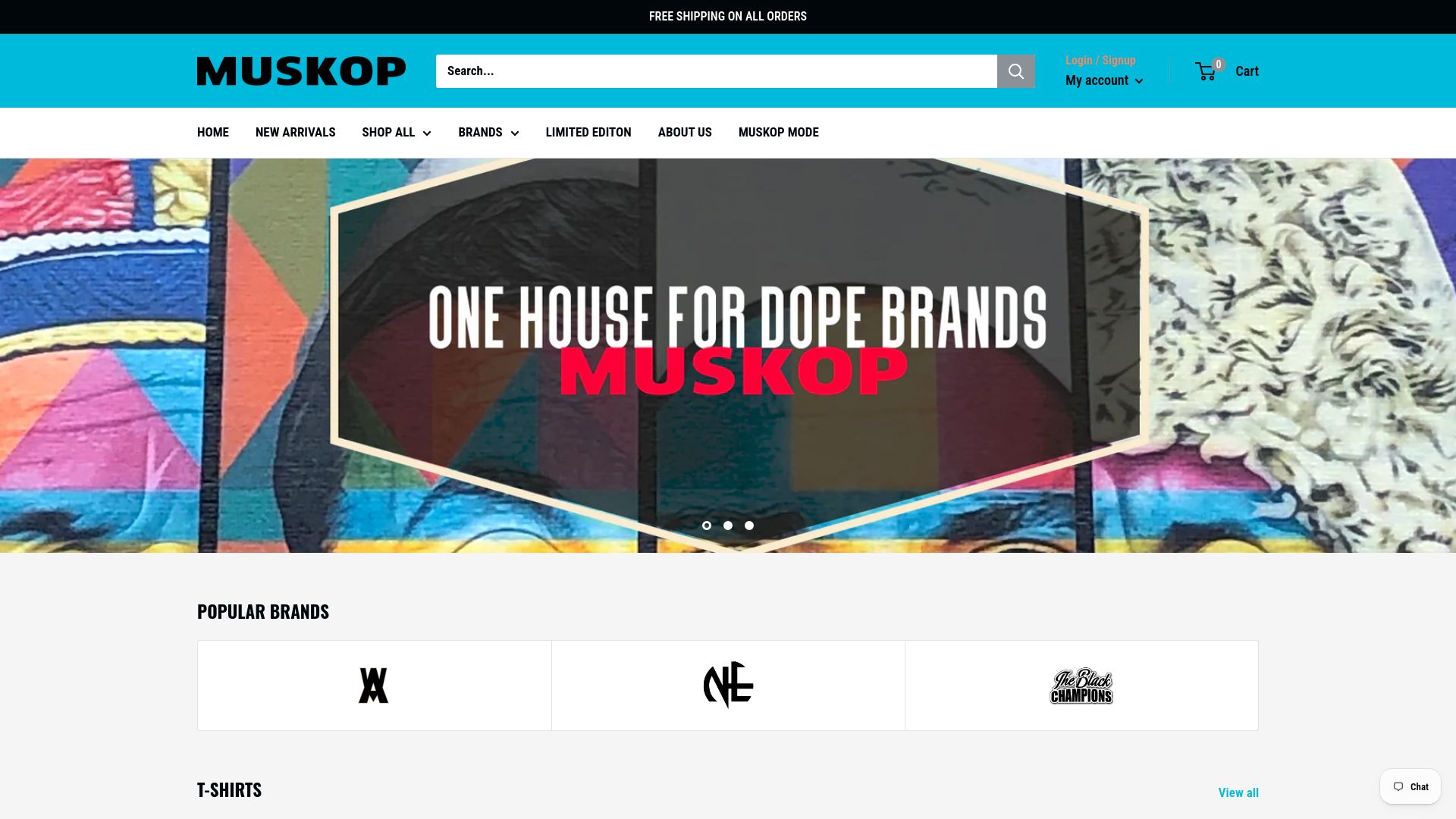
Because some brands ship orders free and offer interest-free payment plans, shoppers can build a 3-3-3 capsule gradually, adding one or two pieces at a time, without the upfront cost of a full wardrobe overhaul. Check each product page for measurements before you buy, and start with a neutral tee or hoodie as your base layer, then build outward with pants and outerwear that match the proportions covered earlier in this guide.
| Category | What it covers | Where to start |
|---|---|---|
| Tops | Graphic tees, heavyweight tees, hoodies | Heavyweight tee or oversized hoodie |
| Bottoms | Joggers | One neutral pair for the capsule base |
| Accessories | Bags, hats, accessories | Crossbody bag or structured cap |
Browse the full T-Shirts, Hoodies, Sweatshirts and more lineup to check current measurements and start building your capsule from pieces designed with graphic, activism-driven artwork rather than gendered marketing labels.
Sources
- Androgyny in fashion — Wikipedia
- Gender-Neutral Streetwear Is Not a Trend Anymore — It Is the Standard — WEAR2AM Blog
- How the Transmasc Fit & Sizing System™ works — Both&
- The 3-3-3 Rule Capsule Wardrobe: Complete Guide — 1abel
FAQ
What are some gender neutral streetwear brands?
Brands in this space range from dedicated fit-system labels like Both&, which builds sizing specifically for transmasculine and non-binary bodies, to design-forward streetwear brands like Muskop, which focuses on graphic tees, hoodies, and accessories without strict gendered marketing. Look for published measurements and a wide size range as the real signal of inclusive design, rather than the word “unisex” alone.
What is the 3-3-3 rule for clothes?
The 3-3-3 rule is a capsule wardrobe method built from 3 tops, 3 bottoms, and 3 pairs of shoes, producing 27 possible outfit combinations from nine pieces. It works well for gender neutral streetwear because neutral, well-fitted basics mix and match more easily than gendered pieces built for one specific cut.
Where can shoppers buy androgynous or unisex clothing in the United States?
U.S. shoppers can find androgynous and unisex clothing through dedicated fit-system brands, sustainable apparel retailers, and design-forward streetwear labels that publish full measurements rather than relying on standard men’s or women’s size charts. Checking a brand’s return policy and size range before buying is a reliable way to confirm real inclusive design.
What are common red flags when a brand claims to be gender neutral?
The clearest red flag is a “unisex” product listing with the exact same measurements as the brand’s standard men’s item, which usually means the label changed but the pattern did not. A tiny size range or vague sustainability claims with no fabric content or certification listed are two other signs worth checking before you buy, as The Good Trade notes in its roundup of sustainable, gender neutral clothing brands.
More questions people ask
What is a 3-3-3 capsule wardrobe?
It's a way of building a small, versatile wardrobe around a limited set of carefully chosen pieces so that nearly any top pairs with nearly any bottom. For gender neutral streetwear, that means picking pieces by proportion and fit rather than gendered labels, starting with staples like an oversized tee, relaxed straight leg pants, and boxy outerwear.
What is the 3-3-3 outfit challenge?
It works the same way as a capsule wardrobe strategy: you build a set of outfits from a small number of pieces instead of buying one-off items. Choosing neutral colors like olive, sand, charcoal, and clay as your base makes it easier to mix pieces and get more outfit combinations from fewer items.
What are the best fit and worst fit examples for gender neutral streetwear?
A best fit comes from measuring yourself first and checking brand-specific numbers for chest, waist, hip, and inseam, then matching those to the garment rather than guessing from a letter size. A worst fit happens when you rely on a standard men's or women's size label, since a 'unisex' tee with the same measurements as a standard men's cut was likely relabeled rather than redesigned for different body types.