

A hoodie is a sweatshirt with a hood and usually a front pocket; a sweatshirt, in everyday shopping language, typically means the hoodless crewneck version. For shoppers, that distinction translates into slightly more warmth and a casual edge from the hood. For designers, it means a cleaner, uninterrupted front canvas on a crewneck versus a split, pocket-crossed one on a hoodie.
TL;DR:
- Hoodies generally cost more to produce and tend to have higher search demand and retail prices than crewneck sweatshirts.
- Crewnecks are best for layering under jackets or layering with full-front designs, while hoodies are ideal for outdoor warmth and streetwear styles.
- Artwork on crewnecks works best on flat, uninterrupted surfaces; hoodies require adjusted placement to avoid zippers and pockets.
- Fabric choice impacts comfort and print durability, with fleece and French terry offering different warmth and breathability levels.
- Choosing between a hoodie and a sweatshirt should depend on the intended use, not just trend, with fit to purpose more important than hype.
Table of Contents
- Sweatshirt, Crewneck, and Hoodie: Getting the Terms Straight
- Hood, Pocket, Warmth, and Price: The Real Differences
- When to Reach for a Sweatshirt vs a Hoodie
- Designing for Print: Where Artwork Works and Where It Fails
- Fabric and Fit: What Changes Comfort and Print Life
- Robert’s Take: What We Recommend Stocking and Why
- Why the “Which Is Better” Debate Misses the Point
- Quick Shop: Finding the Right Hoodie or Sweatshirt on Muskop
- FAQ
- Sources
Sweatshirt, Crewneck, and Hoodie: Getting the Terms Straight
“Sweatshirt” is actually the umbrella term. Under garment taxonomy, a hoodie is technically a type of sweatshirt, one built with a hood and a drawstring. But in retail and casual conversation, “sweatshirt” has drifted to mean specifically the hoodless, crewneck style, while “hoodie” stands on its own as a separate category.
Hoodies themselves split into two builds worth knowing before you shop or design for them:
- Pullover hoodies: no front opening, warmer because there is no seam or zipper breaking up the fabric.
- Zip-up hoodies (also called “zip hoodies” or “full-zips”): easier to layer on and off, but the zipper splits any front graphic down the middle.
- Crewnecks: the classic hoodless sweatshirt, named for the round collar at the neckline.
Retailers often blur these lines further by calling any hooded pullover a “hooded sweatshirt,” so when you’re browsing, check the product photo, not just the label.
Hood, Pocket, Warmth, and Price: The Real Differences
The features that separate a hoodie from a crewneck sweatshirt aren’t cosmetic. Each one changes how the garment fits, feels, and performs.
- Hood: traps heat around the neck and head and can be cinched with a drawstring for a tighter seal against wind.
- Pocket and zipper: the kangaroo pocket on a pullover hoodie adds storage but breaks up the front surface; a zip-up splits it down the center.
- Neckline and silhouette: a crewneck lies flatter and slimmer, which makes it easier to tuck under a jacket or layer without bulk at the collar.
- Warmth: the hood itself adds only a modest warmth boost. Fabric weight and lining do most of the real work.
- Price: hoodies generally cost more to produce because they use more fabric and require extra construction steps for the hood and drawstring.
According to Trendlytic’s analysis of the two categories, hoodies tend to carry higher search demand and a higher retail price than crewneck sweatshirts, while crewnecks offer a cleaner, lower-cost front canvas. That tradeoff shows up constantly in both closets and merch catalogs: hoodies sell as the premium, streetwear-driven option, while crewnecks compete as the simpler basic.
When to Reach for a Sweatshirt vs a Hoodie
Choosing between the two comes down to what you need the garment to do. A few scenarios make the decision obvious.
- Pick a crewneck sweatshirt when you’re layering under a blazer or denim jacket, want a smart-casual look for the office or a date, or you want a design to read clearly across the full chest without a pocket or zipper breaking it up.
- Pick a pullover hoodie when you need maximum warmth outdoors, you’re building a streetwear-first outfit, or you want the drawstring and hood for wind protection on a commute.
- Pick a zip hoodie when you want the warmth of a hood but need to take the layer on and off quickly, over a workout or on public transit where temperatures swing.
Students heading between classrooms tend to favor the crewneck for its low bulk under a backpack strap. Commuters and anyone spending real time outside lean toward the hoodie for the extra heat retention. Designers and merch sellers often stock both so the same artwork reaches shoppers who want a clean print and shoppers who want the hood.
Designing for Print: Where Artwork Works and Where It Fails
Garment construction dictates where art can go. Crewnecks give a flat, unbroken surface that handles large center-front prints, embroidery, or full-chest graphics without interruption. Hoodies are trickier: the kangaroo pocket sits right where a center print usually goes, and a zipper cuts a front design in half.
Printful’s comparison of the two styles confirms that hoodies commonly include a kangaroo pocket and come in both zip and pullover builds, both of which change where art can realistically sit. Kittl's digital printing guide recommends shifting hoodie artwork to the upper chest, a small left-chest mark, or a full back print to avoid the pocket and zipper entirely.
Practical rules for creators:
- Avoid placing large artwork directly over the kangaroo pocket; it will fold, pucker, and distort the image.
- On zip hoodies, keep designs off the centerline or they’ll split visually when worn open.
- Use back prints or upper-chest marks on hoodies instead of full-front graphics.
- Reserve full-front, high-detail artwork for crewneck sweatshirts, where the canvas stays flat and uninterrupted.
Pro Tip: Offer the same design on both a crewneck and a hoodie so shoppers who want a clean print and shoppers who want the hood can both buy in.
Fabric and Fit: What Changes Comfort and Print Life
Fabric choice decides how a garment feels and how well a printed design survives repeated washes. Fleece, French terry, and cotton/poly blends are the three most common builds, and polar fleece in particular is prized for trapping warmth while staying lightweight.
- Fleece: brushed on the inside for warmth, common in both hoodies and sweatshirts built for cold weather.
- French terry: looped, breathable texture, lighter than fleece and better suited to layering in mild weather.
- Cotton/poly blends: more durable and less prone to shrinking, often the choice for printed designs that need to hold up over time.
Heavier fleece builds work best as outer layers in winter, while French terry suits indoor wear or spring layering under a jacket. For breathable natural-fiber alternatives, guidance on choosing between cotton and linen applies the same logic: weight and weave decide warmth and drape more than the garment’s name does.
To protect both fabric and print, wash inside-out in cold water and skip the high-heat dryer cycle, which cracks screen-printed graphics faster than almost anything else.
Robert’s Take: What We Recommend Stocking and Why
When shoppers ask which to buy, the honest answer depends on the goal, not the hype around either garment. For pure warmth and outdoor wear, a hoodie wins. For a cleaner outfit or a design meant to be seen in full, a crewneck sweatshirt is the better pick, and our own crewneck sweatshirt and hoodie lineups are built to cover both cases rather than push one over the other.
A hoodie earns its place through warmth and attitude. A sweatshirt earns its place through clarity: on the body and on the print.
— Robert
Why the “Which Is Better” Debate Misses the Point
Most advice on this topic treats hoodie versus sweatshirt as a competition with a winner, and that framing gets it backward. These are two tools built for different jobs, and the real skill is matching the garment to the occasion instead of defaulting to whichever one feels trendier that season.
The overrated factor is warmth alone. People assume a hoodie is automatically warmer, but fabric weight does more work than the hood ever will. A heavyweight crewneck in brushed fleece can out-warm a lightweight hoodie easily. The underrated factor is print clarity. Shoppers rarely think about how a kangaroo pocket or zipper will cut into a design until they’re already wearing it, and designers who ignore that end up with graphics that look awkward in photos.

If you take one thing from this comparison, prioritize fit to purpose over trend. Buying a hoodie because it looks more “street” when you actually need a clean layer under a coat solves nothing. Ask what the garment needs to do first, then let the hood, pocket, and fabric weight answer the rest.
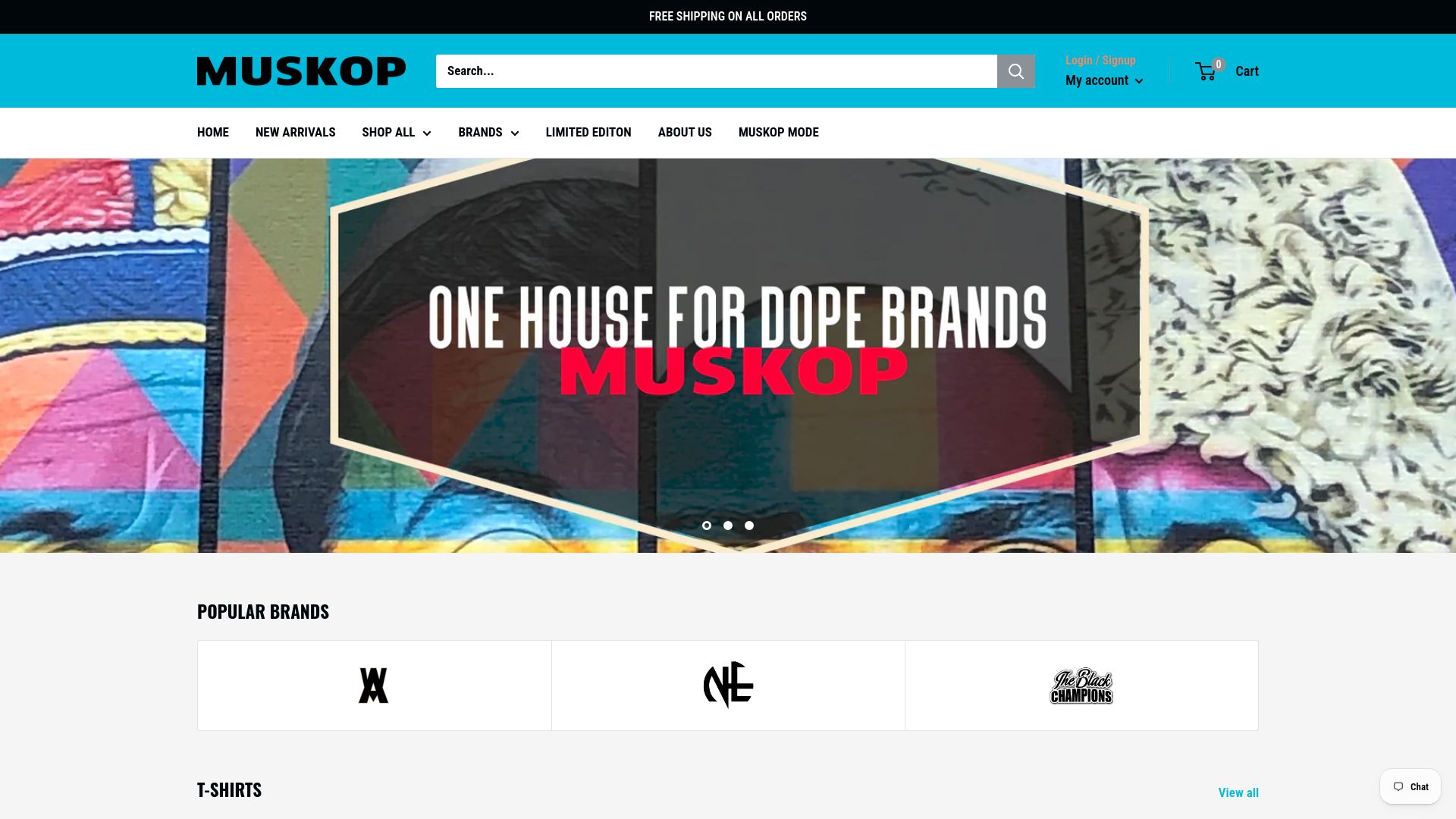
Quick Shop: Finding the Right Hoodie or Sweatshirt on Muskop
We offer both hoodies and sweatshirts with graphic designs, so the choice you just made above maps onto what’s available. Want the clean, full-front canvas from the styling section? Our crewneck sweatshirts deliver that. Want the hood and extra warmth for streetwear layering? Our pullover and zip hoodie styles cover it.
When browsing, filter by fabric weight if you’re shopping for winter, and by zip versus pullover if you know how you plan to layer it. A few starting points:
- Check fit notes on each product page before sizing up for a boxier streetwear look.
- Compare pullover and zip hoodie photos side by side to see how the artwork sits on each.
- Pair any hoodie with our outfit ideas for quick styling inspiration.
Browse the full lineup at Muskop and find the piece that fits your climate, your outfit, and the design you actually want to wear.
FAQ
Is a hoodie still a hoodie if it has a zipper?
Yes. A zip-up hoodie is still classified as a hoodie because it keeps the hood and drawstring; the zipper just changes how it opens and how front artwork needs to be placed. The core identity comes from the hood, not the closure style.
Which is best, a sweatshirt or a hoodie?
Neither is objectively better; the right pick depends on the goal. A crewneck sweatshirt suits layering and full-front designs, while a hoodie suits outdoor warmth and a streetwear look, as both Printful and Kittl note in their comparisons of the two styles.
Is a sweatshirt a hoodie without a hood?
In casual usage, yes, “sweatshirt” commonly refers to the hoodless crewneck version, even though a hoodie is technically a type of sweatshirt under broader garment taxonomy. The practical difference for shoppers is the missing hood and the flatter, cleaner front.
Sources
- Sweatshirt vs Hoodie: Understanding the key differences - Printful
- Sweatshirt vs Hoodie: The Difference and Which Sells Better · Trendlytic
- Hoodie - Wikipedia
- Hoodie vs Sweatshirt: 10 Differences + 20 POD Design Ideas - Kittl
More questions people ask
How do you avoid a split print on a hoodie?
Keep artwork off the centerline of a zip hoodie so the zipper doesn't cut the design in half, and avoid placing large graphics directly over the kangaroo pocket on a pullover since the fabric there folds and distorts. Shifting the design to the upper chest, a small left-chest mark, or a full back print sidesteps both problems.
How do you avoid puckering in a print?
Puckering happens when artwork sits over a seam, pocket, or fold in the fabric, so the fix is placement rather than the print itself. A flat, uninterrupted surface like the front of a crewneck sweatshirt handles large center-front prints cleanly, while a hoodie needs the design moved away from the pocket and zipper.
What's the best way to avoid splitting when choosing a garment for a design?
Pick the garment based on where the artwork needs to sit. A crewneck gives a flat, unbroken canvas for full-chest graphics, while a hoodie requires moving the design to the upper chest, a small left-chest mark, or the back to avoid the zipper or pocket splitting it.