

The best streetwear approach for shorter men is to prioritize proportion over trend: structured silhouettes, tapered legs, and hems cut at the right length create a longer visual line than any logo or drop ever will. Style publications like GQ have made this case for years, and brands like Muskop build pieces, from graphic tees to tapered joggers, that make the rule easy to apply.
TL;DR:
- Choose tees that end at or just below the hip, shoulder seams on the shoulder bone, and chore coats that stop at mid thigh.
- Wear trousers at the natural waist with tapered legs and no break or a slight break; avoid pooled hems, dropped crotches, and wide legs.
- Match shoe color to pant hems for a continuous leg line; low profile sneakers suit joggers, while chunky sneakers pair best with fitted pants.
- Alterations can fix rises, tapers, hems, and sleeves, but pocket or button placement is harder to change, so check those details before buying.
- For cool weather, wear one heavy layer and keep other pieces light; let the hoodie hem fall one or two inches below the coat.
Table of Contents
- Top streetwear pieces that work for shorter frames
- Fit and proportion rules every short man should follow
- Which shoes create balanced proportions
- Tailoring that actually changes your proportions
- How to put together a streetwear outfit that works
- A note from Robert on buying streetwear that fits
- Color and pattern choices that lengthen the frame
- Layering without adding bulk to a shorter frame
- Accessories that support the outfit instead of competing with it
- Where to find streetwear built for these proportions
- Why experimenting matters more than any single rule
- Streetwear built around these proportions
- FAQ
- Sources
Top streetwear pieces that work for shorter frames
Not every garment category earns a spot in a shorter man’s closet. Some pieces flatter instantly; others fight your proportions no matter how well they fit elsewhere.
- Graphic tees: best for a statement without bulk; look for a hem that sits at or just below the hip, never past it.
- Cropped or regular-length hoodies: best for casual layering; check that the shoulder seam lands exactly on your shoulder bone, not past it.
- Tapered joggers: best for a clean leg line; look for a narrower leg opening that still clears your shoe without pooling.
- Chore coats: best for outerwear that doesn’t swallow your frame; the hem should hit mid-thigh, not the knee.
- Slim-straight denim: best for a streetwear base layer; avoid extra fabric at the thigh.
- Low-profile sneakers: best for everyday proportion; a thin sole keeps the leg line continuous.
- Chunky athletic sneakers: best for a deliberate style statement; works when the rest of the outfit is fitted.
- Lug-sole boots: best for cooler weather; pairs well with a slightly cropped pant hem.
Some brands’ tee, hoodie, and jogger categories fit squarely into this list, and trying them on against these cues rather than against a size label alone tends to produce better results. The fastest shopping technique is simple: try the piece on, stand in front of a mirror, and compare the hem against your hip or ankle bone rather than guessing from the rack.
Fit and proportion rules every short man should follow
Shorter frames read taller when the eye travels in an unbroken line from shoulder to shoe. Every rule below exists to protect that line, a concept stylists sometimes call negative space: the less visual interruption between garments, the longer you appear.
- Keep sleeve hems at the wrist bone, not past it.
- Let jackets and chore coats end mid-thigh, never at or below the knee (more on oversized vs true-to-size work jacket fit).
- Choose a pant rise that sits at your natural waist, not below it.
- Hem pants with no break, or at most a slight one, at the shoe.
- Taper the leg opening so it skims the ankle instead of bunching.
- Favor slim lapels and higher pocket placement on jackets and shirts.
The sourcing on this is consistent: GQ’s guide to proportion notes that fit and structured silhouettes matter more than height itself, and that tapered legs with shorter jacket lengths build a longer line.
Common mistakes undo all of this fast: dropped-crotch pants, hems that pool at the shoe, bulky patch pockets placed low on the chest, and wide-leg trousers that hide the leg line entirely.
Pro Tip: Stand sideways in a mirror and check where your jacket hem crosses your thigh. If it’s anywhere near your knee, size down or have it shortened.
Which shoes create balanced proportions
Shoes carry more visual weight than most shorter men realize, and the right pair can finish a proportional outfit or quietly wreck one.
- Chunky athletic sneakers: add presence without faking height; works best with slim or tapered pants.
- Low-profile sneakers: keep the leg line clean; ideal for cropped hoodies and joggers.
- Cuban or cowboy-heel boots: build subtle lift through styling, not gimmick soles.
- Lug-sole work boots: ground a fall or winter outfit without overwhelming the frame.
According to Esquire’s rundown of shoes for shorter men, these four families are the ones stylists keep recommending because they add proportion without reading as an obvious height trick. Matching your sole color to your pant hem, rather than contrasting hard, helps the leg appear to continue into the shoe. Skip elevator shoes entirely: they solve height and create nothing else, while an intentional silhouette solves both.
Tailoring that actually changes your proportions
A few alterations deliver most of the visual benefit, and they’re worth prioritizing before you chase a whole new wardrobe.
- Rise: lowering or adjusting the rise is usually straightforward for a tailor.
- Taper: narrowing the leg opening is one of the most common, least expensive requests.
- Hem length: a clean hem with no break is quick work and makes an immediate difference.
- Sleeve length: shortening sleeves on jackets and shirts is routine.
Pocket and button placement are harder to move without reworking the whole garment, so GQ’s fit guide suggests weighing those details before you buy rather than after. When you brief a tailor, bring a photo of how you want the garment to sit and say plainly what to preserve, like a chest pocket or a logo placement. As an alternative, trying a smaller men’s size or a women’s cut sometimes solves the proportion problem without any tailoring at all.
How to put together a streetwear outfit that works
Each of these recipes applies the proportion rules above to a specific occasion, so you can copy one directly or swap a piece as the season changes.
- Everyday casual: graphic tee, tapered joggers, low-profile sneakers. The unbroken line from hem to shoe does the work.
- Layered cool-weather: hoodie under a chore coat, slim denim, lug-sole boots for grip and visual weight.
- Warm-weather streetwear: short-sleeve graphic tee, slim-straight shorts or cropped joggers, chunky sneakers for a deliberate statement.
- Night out: fitted tee, dark tapered trousers, Cuban-heel boots for a sharper silhouette.
Swap the hoodie for a lighter long-sleeve tee in spring, or trade sneakers for boots once temperatures drop. For jogger-specific pairings, Muskop’s guide to joggers with sneakers walks through several combinations that follow this same logic.
A note from Robert on buying streetwear that fits
I write about streetwear fit for the Muskop blog, and the question I hear most from shorter guys is simple: how do you know a tee or hoodie will actually work before you buy it?
Here’s the checklist I use: check the hem length against your hip bone, confirm the shoulder seam sits on your shoulder rather than drooping past it, and look at where the graphic print sits, since a print centered too low can visually shorten your torso.
A piece that respects your proportions will look intentional in a photo, not borrowed from someone taller.
Pro Tip: Lay the tee flat and measure shoulder seam to hem before you buy. If that number is longer than your actual torso length, size down.
Color and pattern choices that lengthen the frame
Monochrome outfits, where the top and bottom sit close in shade, read taller because they remove the visual break at the waist. A navy hoodie over navy joggers, or a black tee with black tapered pants, keeps the eye moving in one line instead of stopping halfway down the body.
Vertical elements help the same way. A tee with a vertical graphic placement, a zip-front hoodie worn open, or a chore coat with a straight vertical seam all reinforce the long line the fit rules are built around.
Patterns need more care. Large, horizontal graphics or wide stripes across the chest can visually widen and shorten the torso, while a smaller or vertically-oriented print does the opposite. This is where scaled streetwear graphics work in a shorter man’s favor: a bold design placed thoughtfully, rather than stretched across the whole chest, can be a statement piece without disrupting proportion. GQ’s guide to style for shorter men makes a similar point: bold prints and statement pieces work well on a shorter frame once they’re scaled correctly, so a loud graphic tee isn’t off-limits, it just needs the right cut.

Save high-contrast color blocking for pieces you’ve already confirmed fit well, since contrast draws attention to the exact spot where two garments meet.
Layering without adding bulk to a shorter frame
Layering is where a lot of shorter men lose the proportion they built everywhere else, because every added layer adds visual width if it’s not sized correctly. The fix is to grade each layer slightly closer to the body than the one underneath, so a fitted tee sits under a slightly roomier hoodie, which sits under a chore coat cut close enough to see the hoodie’s hem peek out.
Keep the layered hemline staggered but short. If your tee, hoodie, and jacket all end at wildly different lengths, you create multiple horizontal breaks down the body, which is the opposite of the long line you want. A good target is a hoodie that falls an inch or two below the coat’s hem, not several inches.

Bulk is the other risk. A heavy flannel under a thick jacket can round out a shorter frame fast, so choose one heavier piece per outfit and keep the rest lightweight. For cooler weather, a lighter hoodie under a structured chore coat usually layers better than two thick pieces stacked together.
Accessories that support the outfit instead of competing with it
Accessories should reinforce the vertical line, not interrupt it. A cap worn straight, rather than a bucket hat with a wide brim, keeps the silhouette narrow at the top. A crossbody bag worn higher on the torso, rather than low near the hip, avoids adding a horizontal break right where pants meet shirt.
Chains and layered jewelry work best kept close to the neckline rather than long and loose, since a long pendant can visually shorten the torso the same way a low-hemmed tee does. Belts matter more than they get credit for: a belt in the same tone as your pants, rather than a contrasting color, keeps the waistline from standing out as a dividing line.
The Modest Man’s guidance on avoiding overcompensation with accessories applies beyond shoes: oversized or attention-grabbing accessories tend to work against a shorter frame, while smaller, well-placed pieces support the outfit’s overall line.
Where to find streetwear built for these proportions
A handful of approaches work well once you know what to look for. Buying from brands that offer slimmer, more tapered cuts as standard saves you tailoring time later. Checking hem and sleeve measurements before ordering, rather than relying on size labels alone, catches most fit problems before they reach your closet.
Some tee, hoodie, and jogger categories are built around graphic designs and original artwork, which gives you the statement-piece option GQ’s guide points to, scaled and placed well rather than oversized. For jogger-specific shopping, A piece on where to buy hoodies and its guide to styling joggers both walk through practical pairings.
If you want to see how graphic streetwear can express identity without losing proportion, Bold Faith Apparel’s styling guide shows a similar approach applied to faith-themed pieces. For a closer look at how fit differs across cuts, Gulf of America’s comparison of relaxed versus athletic fit breaks down leg opening sizes in a way that’s useful when you’re deciding how much taper you actually need.
Why experimenting matters more than any single rule
These rules are a starting point, not a script. The guys who look best in streetwear are usually the ones who tried a few cuts, got one or two pieces tailored, and kept what felt like them.
— Robert
Streetwear built around these proportions
Once you know the rules, shopping gets faster: look for tapered joggers, hoodies with a shoulder seam that actually sits on your shoulder, and graphic tees with prints scaled to fit a shorter torso. Some tee, hoodie, and jogger categories are built with original artwork and graphic designs that work with these proportions. Claims about free shipping and payment options should be confirmed on the retailer’s site.
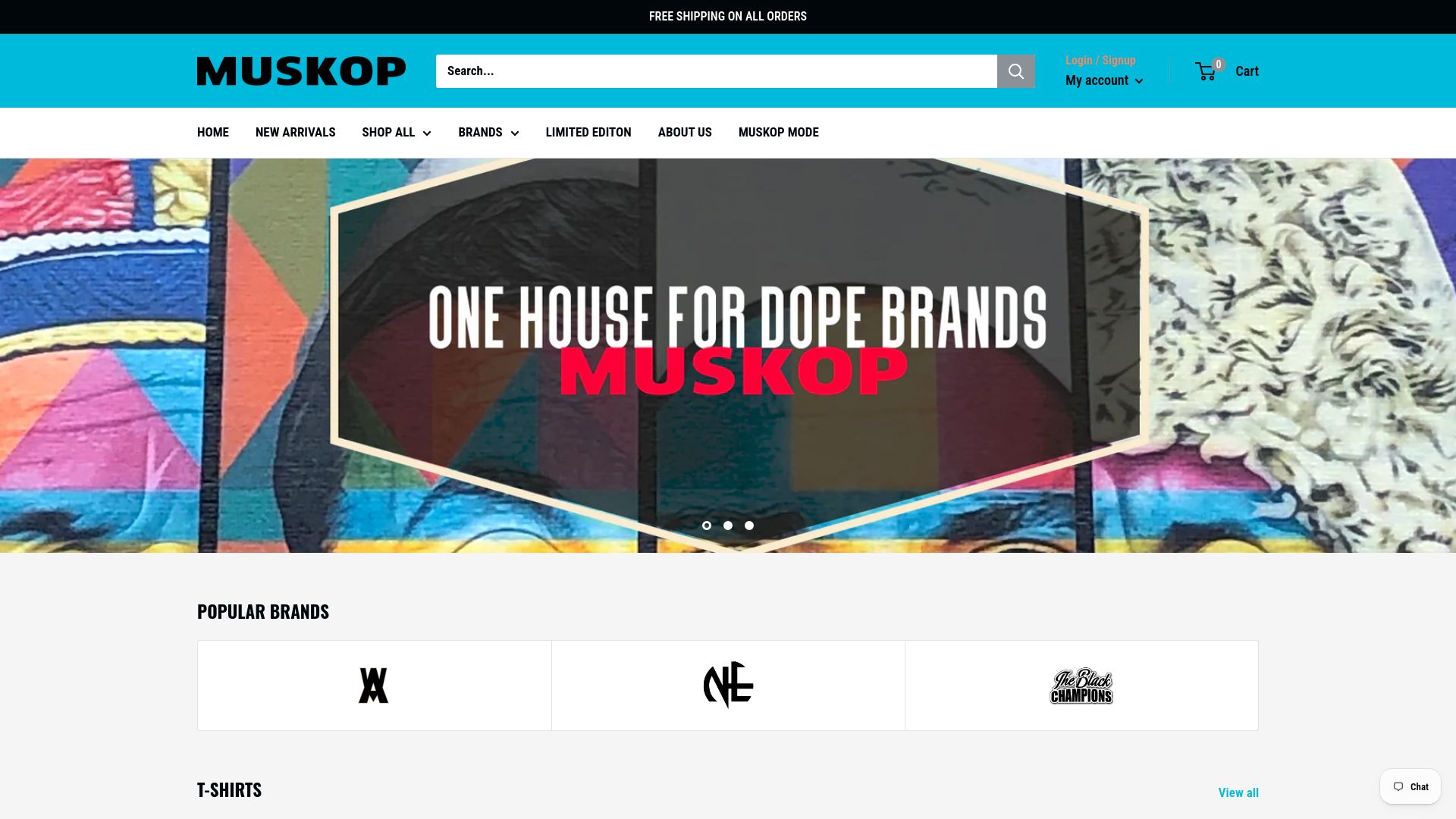
Browse the current tees, hoodies, and joggers at Muskop and check the fit details against the rules above before you order.
FAQ
What style is best for short men?
A fitted, slightly tapered silhouette with structured pieces, like a well-cut chore coat or a tapered jogger, works best because it keeps an unbroken vertical line. Bold graphics and statement tees still work well when the proportions are scaled correctly, according to GQ’s guide to style for shorter men.
How should a man around 5’3" dress?
Prioritize a higher rise, a tapered leg with little to no break at the shoe, and jacket or coat hems that end mid-thigh rather than at the knee. Low-profile sneakers or Cuban-heel boots, as recommended by Esquire’s shoe guide, help keep the leg line continuous.
How should a man around 5’4" dress?
The same proportion rules apply: a clean hem, a tapered pant, and a tee or hoodie whose shoulder seam sits exactly on the shoulder bone. Monochrome outfits and vertically-oriented graphics tend to read taller than contrasting colors or horizontal patterns.
How should a man around 5’7" dress?
At this height, the margin for error is a little wider, but the same rules still sharpen the look: a tapered leg, a jacket that ends mid-thigh, and shoes matched in tone to the pant hem. Chunky sneakers or lug-sole boots work well here since the frame can carry a bit more visual weight.
Can short men wear baggy streetwear?
Very loose or dropped-crotch fits tend to work against a shorter frame because they remove the waist and leg definition that create a long line. The Modest Man’s guidance on fit for shorter men recommends tapered or slim-straight cuts instead of oversized silhouettes.
Sources
- A short man’s guide to higher style | GQ
- Shoes for short men: dos and don’ts | The Modest Man
- The best shoes for short men 2026 | Esquire
More questions people ask
What are the best shirts for short men?
Look for a tee that ends at or just below the hip rather than past it, with the shoulder seam sitting right on your shoulder bone. A longer hem or dropped shoulder breaks the leg line and makes the frame look shorter, so trying the shirt on and checking it against your hip in a mirror works better than relying on the size label alone.
What should short men look for in sweatpants or joggers?
Tapered joggers work best, with a leg opening narrow enough to skim the ankle without bunching or pooling at the shoe. A pant rise that sits at your natural waist, rather than below it, also keeps the proportions clean.
What shoes work best for short men?
Low-profile sneakers keep the leg line continuous and pair well with joggers, while chunky athletic sneakers add presence when the rest of the outfit is fitted and slim. Matching the sole color to your pant hem, rather than contrasting hard, also helps the leg appear to continue into the shoe.
Where can short men shop for streetwear that fits their proportions?
Looking at a brand's tee, hoodie, and jogger categories against hem length, shoulder seam placement, and leg taper, rather than size labels alone, tends to produce better results. IMUSKOP, a Black-owned streetwear store from Queens, NY, makes its graphic tees, hoodies, and joggers to order, so checking hem and shoulder details on the product photos before buying is worth the extra minute.