

The fastest way to make an all-black streetwear outfit work is to mix three or four different surfaces, add one focal element like a graphic or a metal accent, and pick footwear that matches your silhouette goal. A quick example you can copy tonight: a heavyweight black hoodie, black selvage jeans, black leather sneakers, and a sterling chain. That combination alone solves most of what makes all-black outfits fall flat.
TL;DR:
- Mixing at least three different fabric finishes is essential to add depth and prevent an all-black outfit from looking flat.
- Layering from light to heavy fabrics creates visual rhythm and is crucial for silhouette balance, especially for different body types.
- Limiting to one bold graphic or contrast element per outfit ensures visual focus, with placement typically on outer layers or open jackets.
- Spending more on outerwear and footwear significantly influences the outfit’s overall perception, with budget options suitable for basics like tees and beanies.
- Proper black garment care, such as washing cold and air drying, maintains deep, rich color and extends the outfit’s polished look.
Table of Contents
- Why All-Black Streetwear Works (And the Mistake That Ruins It)
- Core Rules: Textures, Fabric Weight, and Silhouette
- 10 All-Black Streetwear Outfit Formulas You Can Copy
- Graphics, Layering Order, and Footwear That Finish the Look
- Building a Wardrobe That Actually Delivers All-Black Looks
- Keeping Black Garments Deep, Not Faded
- Why This Guide’s Advice Actually Holds Up
- What All-Black Still Gets Right in 2026
- Shop Graphic Tees Built for This Exact Styling Approach
- Sources
Why All-Black Streetwear Works (And the Mistake That Ruins It)
Strip out color and your eye has nowhere else to look but texture, shape, and light. That’s the whole appeal of an all-black outfit: it forces attention onto silhouette and surface rather than pattern-matching colors. A well-built black-on-black look reads as deliberate. A poorly built one reads as an accident.
The most common mistake is repeating the same fabric across every piece. Fleece hoodie over fleece sweatpants looks like something you’d wear to check the mail, not something you’d wear out. Swap that sweatpant for raw denim and swap loafers for leather sneakers, and the exact same hoodie suddenly reads as styled. Nothing else changed except the surfaces touching it.
A few things happen visually once color disappears:
- Your eye starts hunting for texture contrast (matte versus glossy, ribbed versus smooth).
- Shadows and light do the work color usually does, so fabric weight and drape matter more.
- Any single graphic or metal element becomes the natural focal point, since there’s no competing color to distract from it.
This is the core insight behind most credible tone-on-tone black outfit guides: depth in monochrome comes from surface variation, not from adding color back in.
Core Rules: Textures, Fabric Weight, and Silhouette
Building depth in an all-black outfit comes down to counting surfaces, not counting pieces. Mixing at least three different fabric finishes — say, a matte knit, raw denim, and leather — is the single biggest lever for avoiding a flat, one-note look.
Here’s a repeatable process:
- Pick your base layer texture first. A ribbed tee or a raised-print cotton tee gives you something to layer against.
- Add a mid-layer with a different weight. A 420 to 550 GSM hoodie over a 220 GSM tee creates a visible step in bulk and drape.
- Close with a heavier or glossier outer surface. Leather, waxed cotton, or a 14oz denim jacket reads as intentional against softer knits underneath.
- Check your silhouette last. Oversized on top calls for tapered or slim on the bottom. Wide-leg cargos ask for a fitted top so you don’t disappear into fabric.
Layering light to heavy isn’t just about warmth. It creates a visual rhythm your eye can follow from top to bottom, which is part of why fabric weight sequencing shows up so often in tone-on-tone styling advice. Skip a step, like going straight from a heavyweight hoodie to another heavyweight piece, and the outfit starts to feel like one solid block instead of an outfit.
If you’re built taller and leaner, oversized hoodies paired with slightly tapered joggers will add mass without swallowing your frame. If you’re carrying more muscle or a stockier build, a slim base layer under a roomier jacket tends to balance out better than doubling up on volume.
Pro Tip: Never stack two matte fleece pieces back to back. Fleece over fleece reads as pajamas no matter how expensive either piece is. Break it up with denim, leather, or a smooth cotton twill instead.
10 All-Black Streetwear Outfit Formulas You Can Copy
A concise list of formulas beats an endless scroll of a hundred outfit photos, mainly because you can actually remember and repeat ten of them. Curated 10-outfit lists tend to cover the bulk of everyday and evening use cases without the decision fatigue of a massive gallery. Here are ten worth building around.
- The Hoodie Stack: heavyweight hoodie, bomber jacket, tapered joggers, chunky sneakers, beanie. Works because the bomber adds structure to an otherwise soft silhouette.
- The Denim Anchor: raised-print graphic tee, unlined overshirt, straight-leg selvage denim, leather sneakers, sterling chain. The graphic tee is your one loud element; everything else stays quiet.
- The Leather Layer: ribbed tank or tee, leather jacket, slim jeans, low-top leather sneakers, thin silver chain. This is the formula most style guides point to as the classic edge-forward look, and it earns that reputation.
- The Tailored Streetwear Hybrid: structured tee, unstructured black blazer, tapered trousers, minimal leather sneakers. Dressier without losing the streetwear base.
- The Cargo Utility Fit: fitted long-sleeve, cropped bomber or vest, wide-leg cargo pants, boots, canvas belt bag. Cargo pockets and boot texture do the depth work here.
- The Summer Short Set: boxy tee, matching or contrast-texture shorts, low-top canvas or leather sneakers, a woven bracelet. This one leans on silhouette and light fabric weight since layering isn’t practical in heat, an approach that lines up with the relaxed, texture-driven warm weather formulas partner style guides recommend.
- The Flannel Layer: black flannel shirt worn open over a graphic tee, straight denim, boots. Flannel’s woven texture contrasts nicely against a smooth cotton tee underneath.
- The Coach Jacket Combo: lightweight coach jacket, crewneck sweatshirt, tapered chinos, low-top sneakers, cap. A good transitional-weather formula that avoids bulk.
- The Heavy Coat Statement: oversized wool or shearling coat, ribbed knit, straight jeans, boots. Reserve this one for cold months when a heavier outer layer is functional, not just for looks.
- The Athletic Track Fit: zip track jacket, fitted tee underneath, track pants, retro running sneakers with a gum or white sole. The one deliberate break from full black keeps this from reading like loungewear.
Notice where the graphic or contrast element sits in each one. It’s almost always on the outer layer or peeking through an open jacket, never buried under three other pieces where nobody will see it.
Graphics, Layering Order, and Footwear That Finish the Look
One graphic per outfit is the rule worth following most closely. Stack two loud prints and they compete instead of anchoring anything. A high-contrast graphic (bold white or colored print on black) reads loud and works best as the single statement piece. A tonal print, black-on-black with subtle texture, reads subtle and works better when you want the whole outfit to feel controlled rather than shouted.
Placement matters as much as the graphic itself: a graphic tee works best on an outer or half-open layer where it’s actually visible, not zipped under a jacket where the artwork disappears.
Footwear decides how the whole outfit reads at a glance:
- Full black sneakers or boots keep the eye moving smoothly top to bottom, ideal when you want a sleek, unbroken line.
- A white or gum sole breaks that line on purpose, adding a visual stopping point at the bottom of the outfit.
- Chunkier, higher-profile sneakers add visual weight to balance an oversized top.
- Sleek low-tops do the opposite, keeping a bulky outfit from feeling top-heavy.
Small metal accents finish the job. A sterling chain or a black belt with a metal buckle adds a single reflective point that draws the eye without adding color. A beanie or a plain watch shifts the whole outfit’s formality up or down depending on the rest of the pieces around it.
Pro Tip: If your outfit already has a loud graphic, skip the chain. One focal point per outfit is the rule; two competing focal points cancel each other out.
Building a Wardrobe That Actually Delivers All-Black Looks
Seven pieces cover most of what you need: a plain cotton tee, a heavyweight hoodie, black denim, cargo pants, black sneakers, black boots, and a beanie. Each one earns its spot for a specific reason. The hoodie and boots carry the most visual weight in any outfit, so they’re worth spending more on. The tee and beanie barely register on their own, which makes them easy to budget.
Outerwear and footwear have the most outsized impact on how the whole outfit reads, so that’s where your dollars should go first if you’re building this wardrobe piece by piece rather than all at once.
- Spend here: leather jacket or coat, boots, selvage or heavyweight denim.
- Budget here: basic tees, beanies, belts, socks.
- Middle ground: hoodies and sweatshirts, where a jump in GSM fabric weight noticeably improves drape and warmth without a huge price jump.
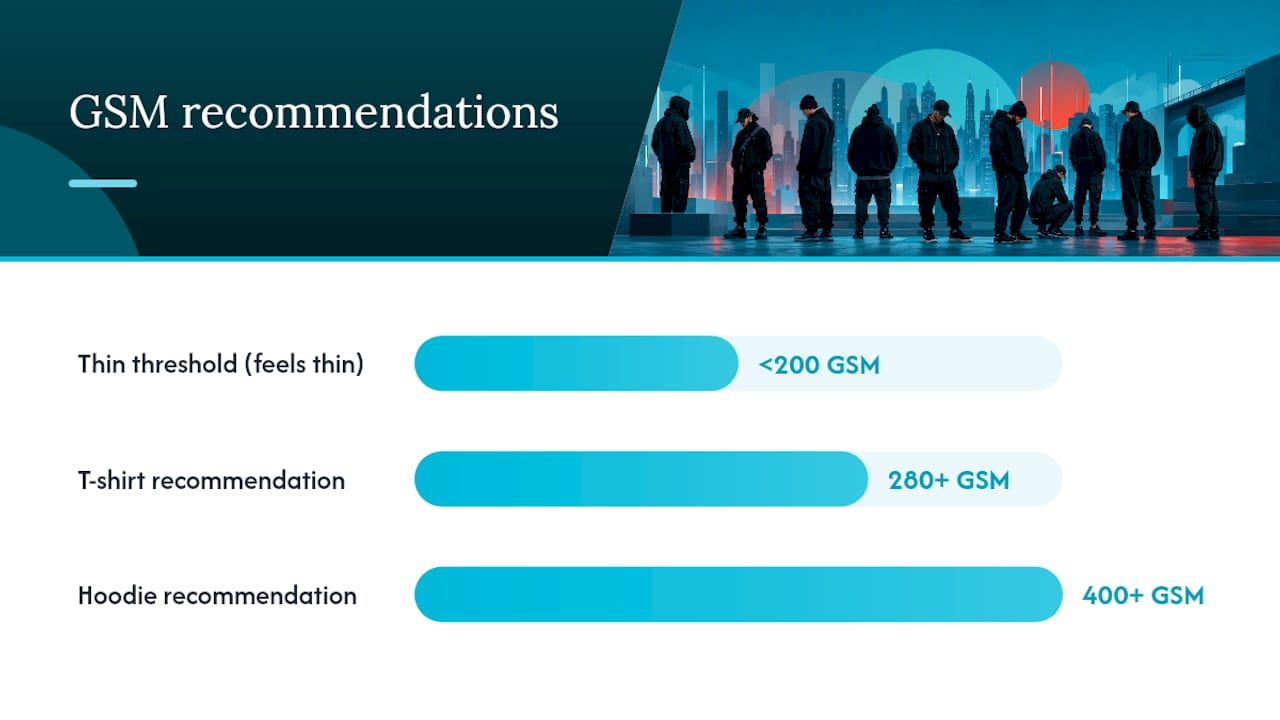
When shopping in the US, check the weight listed on hoodies and tees. Anything under 200 GSM tends to feel thin and cling in the wrong places. Look at core streetwear essentials built with 280 GSM or higher for tees and 400+ GSM for hoodies if you want the pieces to hold their shape after repeated wear.
Keeping Black Garments Deep, Not Faded
Black fades fastest in a hot wash and a hot dryer, full stop. Wash cold, inside out, using a detergent formulated for darks. Skip the bleach entirely, even the color-safe kind, since it still strips dye over time.
Air drying preserves color and texture better than any dryer setting. If you need the dryer, use low heat and pull items out while still slightly damp. A few more habits worth building:
- Wash black items separately from lighter fabrics that shed lint.
- Turn graphic tees inside out before washing to protect the print.
- Use a color-restoring dye treatment only on pieces that have visibly grayed, not as routine maintenance.
- For a favorite piece that’s faded past saving with home treatment, a professional garment dyer can often bring it back closer to true black.
Small habits compound. A hoodie washed cold and air dried for two years will look noticeably deeper than one that’s been through forty hot dryer cycles.
Why This Guide’s Advice Actually Holds Up
This guide draws on established streetwear styling principles: texture-first layering, silhouette balance, and using a single graphic as a focal anchor rather than a repeated pattern. Robert, who covers streetwear styling for the Muskop blog, put this formula together by pulling from the same texture and silhouette logic that shows up across credible menswear style guides.
Muskop builds its own catalog around original graphic artwork on tees and streetwear pieces, which lines up directly with the graphic-as-focal-point advice throughout this guide. The brand also offers shipping options and payment plans, which matters if you’re building a wardrobe piece by piece rather than all at once.
What All-Black Still Gets Right in 2026
All-black holds up because it removes an entire category of decision, matching colors, without removing the chance to actually style something. What’s underrated is how much a single swap changes the outfit: trade sneakers for boots, or a matte hoodie for a leather jacket, and the same base pieces read completely differently. Try two or three of the formulas above before you decide which textures you gravitate toward. Small changes here carry more weight than they do in a colorful outfit.
— Robert
Shop Graphic Tees Built for This Exact Styling Approach
Every formula in this guide leans on one thing: a strong graphic or textured piece to anchor the rest of the outfit. That’s the exact gap Muskop fills. Instead of hunting for a plain black tee and hoping it looks intentional, you get original artwork designed to be the focal point of the outfit, not an afterthought.
Muskop’s catalog covers the heavyweight basics, graphic tees, and layering pieces this guide keeps pointing back to, all shipped free with the option to split payments through Affirm if you’re building your wardrobe gradually. Browse the full Muskop collection and pick one graphic piece to build your next all-black outfit around.
Sources
- All black streetwear done right — Reverie Page (Hellstar guide)
- All Black Outfit for Men 2026: 12 tone-on-tone looks — 1abel
- How To Wear All-Black Everything: 15 Outfits That Work — A Pea to Gentleman
- 10 Best All Black Outfits For Men That Exude Style And Confidence — StyleRave
Recommended
- Top 10 Urban Streetwear Clothing Brands for Men: A Comprehensive Review and Buying Guide
- The Ultimate Guide to Building a Streetwear Wardrobe: 10 Must-Have Hoodies Every Stylish Man Should Own
- Streetwear Fashion Icons: Influential Mens Style and Sneaker Choices
- 10 Must-Have Mens Fashion T-Shirts for a Stylish Wardrobe