

Sneakerhead culture began as a blend of sport, street style, and Black urban identity, and it reached mass cultural power through athlete endorsements and hip-hop collaborations. What started as functional court footwear became one of the most influential forces in American fashion, driven less by advertising than by the communities who claimed sneakers as their own. Air Jordan and Run-D.M.C. stand as the two catalysts that took sneakers from gym floors to gallery walls. Along the way, the culture built a resale economy worth billions, reshaped menswear, and earned space in institutions like the Brooklyn Museum.
This article traces that arc chronologically:
- Where sneakers came from technically and who first wore them
- How basketball courts and skate parks turned shoes into social codes
- Why hip-hop, not marketing departments, made sneakers desirable
- How Nike and Michael Jordan industrialized scarcity and hype
- Where the culture stands today, globally and digitally
Key Takeaways
Sneakerhead culture history shows that Black urban communities and hip-hop artists built the value system sneakers still run on, decades before brands industrialized it into a global resale economy.
| Point | Details |
|---|---|
| Origins predate marketing | Vulcanized rubber and court shoes created the product; Bronx basketball and hip-hop created the culture around it. |
| Run-D.M.C. set the template | Their 1986 Adidas deal was the first major non-athlete sneaker endorsement, per Guinness World Records. |
| Jordan industrialized scarcity | The Air Jordan 1’s 1984 to 1985 release turned limited supply into a deliberate business strategy. |
| Museums confirm cultural status | Institutions like the Brooklyn Museum now display sneakers as social artifacts, not just apparel. |
| Muskop extends the aesthetic | Graphic tees and streetwear from Muskop pair with sneaker culture’s identity-first approach to style. |
Table of Contents
- The History of Sneaker Culture Origins: Rubber, Canvas, and Court Shoes
- Mid-Century Basketball, Skate Culture, and the Rules Nobody Wrote Down
- Hip-Hop, Run-D.M.C., and How Sneakers Became Identity
- Air Jordan and the 1980s Turn Toward Commercial Hype
- The Rise of Hype: Limited Drops, Collabs, and the Resale Boom
- Community Rituals That Keep Sneakerhead Culture Alive
- How Museums Turned Sneakers Into Social Artifacts
- Where Sneakerhead Culture Stands Today
- An Author’s Note on Muskop and Sneaker Aesthetics
- Sneakerhead Culture Goes Global: From Tokyo to Lagos
- Social Media Turned Sneakerhead Culture Into a Real-Time Economy
- The Environmental Cost Behind Every Hyped Drop
- What the Conventional History Gets Wrong
- Wear the Culture, Not Just the Shoes
- Frequently Asked Questions
- Sources
The History of Sneaker Culture Origins: Rubber, Canvas, and Court Shoes
Sneakers exist because of a 19th-century materials breakthrough, not a fashion idea. Charles Goodyear’s vulcanization process, patented in the 1840s, let manufacturers bond rubber soles to canvas uppers in a way that held up under real wear. That single innovation made athletic footwear durable enough to matter, and companies quickly built products around it.
- Early “sand shoes” and plimsolls appeared in Britain and the U.S. in the late 1800s, marketed for croquet and beach wear before sport made them essential.
- Rubber-soled court shoes followed by the 1910s and 1920s, engineered for the grip and traction that leather-soled shoes couldn’t offer indoors.
- The word “sneakers” itself emerged around this period, a nod to how quiet rubber soles made a wearer compared to the clatter of hard-soled shoes, according to Britannica’s history of the category.
- Converse entered the picture in 1917 with the All Star, and basketball player Chuck Taylor’s endorsement by 1923 turned it into the dominant court shoe for decades.
None of this looked like culture yet. It looked like equipment. But the pattern that would define sneakerhead identity for the next century, a shoe tied to a specific activity, a specific body of players, and a specific name, was already forming. Chuck Taylor wasn’t just a spokesman. He was the first proof that a person’s association with a shoe could outlast the product cycle itself, a template Nike would industrialize sixty years later.
Mid-Century Basketball, Skate Culture, and the Rules Nobody Wrote Down
Long before hip-hop claimed sneakers, playground basketball had already turned them into social currency. Courts in the Bronx and across New York City became testing grounds where footwear signaled who belonged and who didn’t.
- The “stepsies” ritual required a player wearing brand-new sneakers to let another player literally step on them, a way of showing the shoes weren’t too precious to play in and that the wearer respected the game over the gear.
- Converse Chuck Taylor All-Stars remained the default basketball shoe for much of this era, worn from schoolyards to the NBA before signature athlete shoes existed.
- West Coast skate culture adopted basketball silhouettes like the Vans and later the Nike Blazer, valuing flat soles and durable canvas over anything built for vertical leaping.
- No-mixing-brand codes took hold in some crews, an unwritten rule that wearing two competing brands at once, or switching brands too often, marked you as uncommitted.
These rituals mattered because they established sneakers as a language before any company tried to sell that language back to consumers. A shoe told other players your history, your neighborhood, and sometimes your standing in a very local hierarchy. By the time athletic brands realized this loyalty could be marketed, the culture had already spent two decades building its own rules of engagement.
Hip-Hop, Run-D.M.C., and How Sneakers Became Identity
Run-D.M.C. didn’t just wear Adidas Superstars. In 1986, the group released “My Adidas,” a song that functioned as an unpaid commercial until Adidas noticed and turned it into paid history. Their subsequent deal is recognized as the first major non-athlete sneaker endorsement, according to Guinness World Records, predating the athlete-driven model that would soon dominate the industry.
Why this mattered beyond one contract: hip-hop artists across the late 1970s and 1980s turned specific models, laceless Adidas, fat laces, particular colorways, into visual shorthand for identity and borough pride. Scholars researching the culture point out that this wasn’t incidental marketing. Textile researchers at NC State identify Black culture and Black history as foundational to how sneakers function as markers of social identity, not just style accessories. The shoe became a statement before any brand paid for the privilege of saying so.
Air Jordan and the 1980s Turn Toward Commercial Hype
Nike signed Michael Jordan to what was, at the time, an unusually large deal for a rookie, betting five years of marketing dollars on one player. The gamble paid off almost immediately, and the Air Jordan 1’s release in 1984 and 1985 reshaped how sneakers were sold.
- The NBA reportedly fined Jordan for wearing shoes that violated uniform color rules, a controversy Nike leaned into rather than avoided.
- That controversy became a marketing narrative rather than a liability, cementing the idea that rule-breaking sneakers carried more cultural weight.
- The Jordan model professionalized athlete-brand partnerships industry-wide, moving beyond simple paid appearances into full signature-line ownership.
- It also introduced scarcity as a deliberate strategy rather than a supply accident, training a generation of buyers to treat limited availability as a signal of value.
The Air Jordan line effectively invented the modern collector mindset, where owning the shoe mattered less than owning the story behind it.
The Rise of Hype: Limited Drops, Collabs, and the Resale Boom
Once scarcity became a strategy, brands leaned into it hard. Designer collaborations, celebrity co-signs, and app-based release raffles turned sneaker buying into something closer to a lottery than a retail transaction.
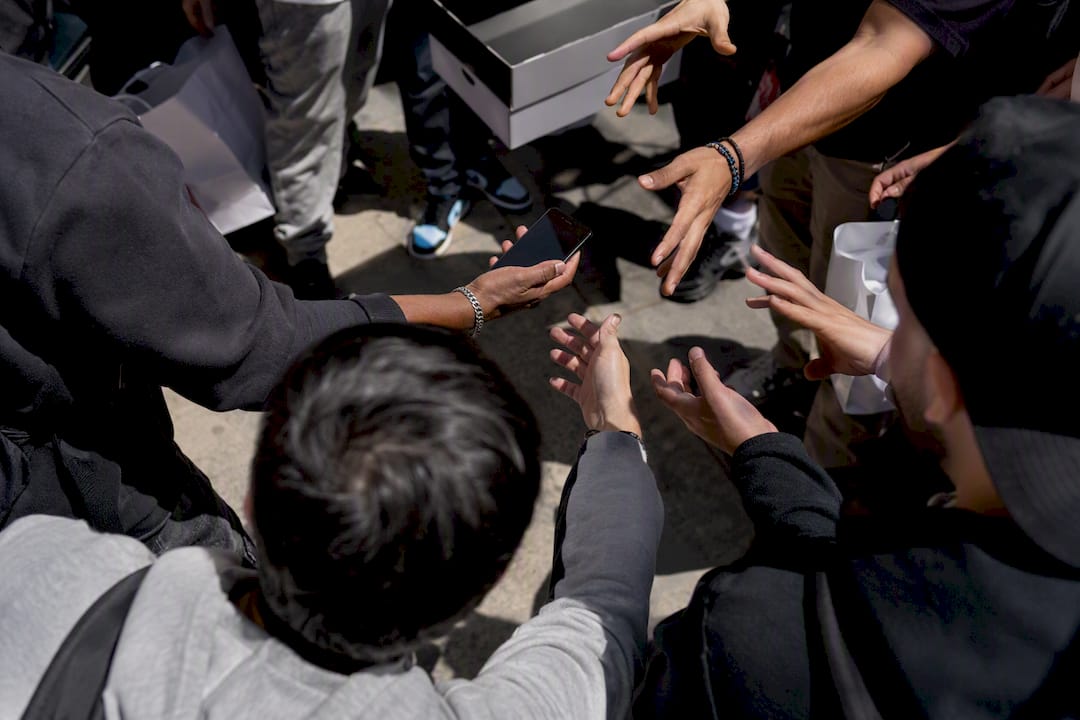
The clearest case study remains the 2005 Nike x Jeff Staple “Pigeon Dunk.” The release drew crowds so large and disruptive that it made mainstream news, a moment Smithsonian Magazine cites as a defining example of how a single limited drop could generate genuine media spectacle rather than just retail buzz.
The resale market that grew from this pattern is enormous. Some estimates put the sneaker resale market at multibillion-dollar scale by the 2010s and early 2020s, with rare pairs regularly commanding auction prices far above retail. Industry analysts caution that sneakerheads drive cultural buzz more than they drive overall sales volume, meaning their influence shows up in relevance and prestige rather than raw market share, per Forbes’ analysis of sneakerhead market impact.
Community Rituals That Keep Sneakerhead Culture Alive
Ownership was never the whole point. What sustains sneakerhead community evolution is the shared behavior around the shoes, the customization, the events, the digital rituals that turn a purchase into participation.
- Customization as art: enthusiasts treat blank canvas uppers as a medium, hand-painting, dyeing, and reworking pairs into one-of-one pieces, a practice covered in depth in guides on sneaker customization as personal expression.
- Events like SneakerCon and local consignment shops recreate the old playground trading culture at scale, letting collectors buy, sell, and authenticate pairs in person.
- Unboxing videos and group chats function as digital versions of the stepsies ritual, a way of showing respect for a release without necessarily wearing it into the ground.
Pro Tip: If you’re new to the community, ask before you touch someone else’s pair at a meetup. The old street rule about respecting another collector’s shoes never actually went away, it just moved online.
How Museums Turned Sneakers Into Social Artifacts
Sneakers crossed into institutional recognition once curators started framing them the way they’d frame any other material culture object. The Brooklyn Museum’s “Rise of Sneaker Culture” exhibition mapped that full arc, from vulcanized rubber to red-carpet collaborations, while the Bata Shoe Museum has taken a similarly historical approach to footwear as social record.
Curators studying the category argue that sneakers arrive “pre-loaded” with cultural meaning, where different models communicate distinct identities before a wearer says a single word.
Auction houses now regularly move rare pairs for five and six figures, treating them less like apparel and more like limited-edition art. That shift, from gym locker to glass display case, is the clearest evidence that sneakerhead culture history is now taken seriously as social history.
Where Sneakerhead Culture Stands Today
The scene Run-D.M.C. and Michael Jordan helped build now spans a resale economy, a fashion-runway presence, and a genuinely global fan base. What defines sneakerhead culture today looks different from the Bronx courts of the 1970s, but the throughline, sneakers as identity, never disappeared.
- Runway designers now reference sneaker silhouettes directly, a crossover tracked closely in menswear coverage.
- Industry conversations increasingly focus on representation and access, questioning who actually profits from a culture Black communities built.
- Casual buyers and serious collectors now shop the same drops, blurring lines that used to separate hobbyists from lifestyle consumers.
An Author’s Note on Muskop and Sneaker Aesthetics
Writing about this culture for years has meant watching the same pattern repeat: the people who create meaning rarely capture the profit that follows.
Sneakerhead identity was never really about the shoe box. It was about who got to decide what looked right, and that decision-making power started on courts and corners long before it reached a boardroom.
Muskop’s design catalog leans into that same instinct, graphic tees and streetwear built around statement and self-expression rather than manufactured hype. Related reading: how passionate collectors boost Nike’s visibility.
Sneakerhead Culture Goes Global: From Tokyo to Lagos
American sneakerhead culture didn’t stay American for long. Japan absorbed it early and thoroughly, with Tokyo’s Harajuku and Shibuya districts developing their own vintage-obsessed collector scenes by the 1990s, prizing rare American releases that had already sold out stateside. Japanese streetwear designers then fed innovations back into the U.S. market, creating a feedback loop rather than a one-way export.
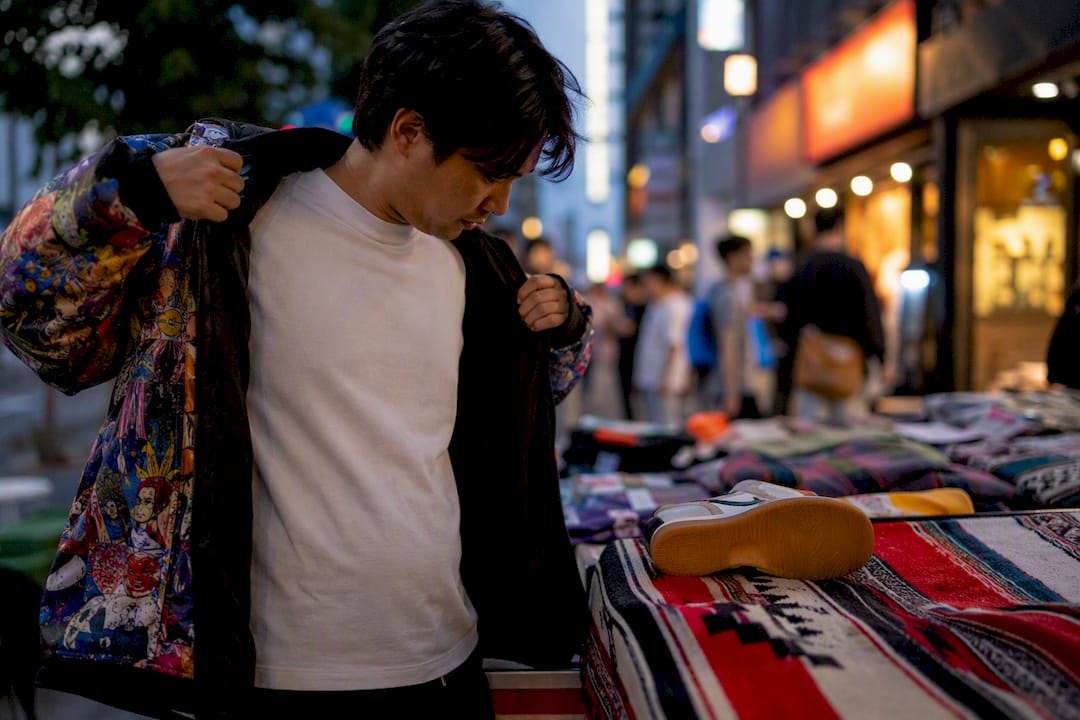
Europe developed its own flavor, with football culture in the UK merging with sneaker collecting in ways American basketball culture never quite mirrored, favoring retro running silhouettes over basketball models. Germany’s Adidas heritage gave European collectors a domestic brand loyalty that didn’t need to be imported at all.
The most significant recent shift has happened across Africa and parts of Southeast Asia, where growing middle-class buying power and smartphone access connected local collectors to the same release calendars American buyers follow. Lagos, Nairobi, and Manila all now have documented sneaker meetup scenes, often organized entirely through messaging apps rather than physical shops.
What ties these scenes together isn’t identical taste. It’s a shared grammar, drop culture, resale flipping, customization, borrowed directly from the American originators and adapted to local context. A Tokyo collector and a Lagos collector might chase completely different models, but they’re playing by rules first written on Bronx courts in the 1970s.
Social Media Turned Sneakerhead Culture Into a Real-Time Economy
Instagram and, more recently, TikTok changed the speed at which sneaker culture moves. A drop that once spread by word of mouth over weeks now generates demand within hours of a leaked image, compressing the entire hype cycle into a news-cycle timescale.
Release information that used to live exclusively inside specialty shops and niche forums now spreads through dedicated sneaker accounts with massive followings, StockX pricing data, resale charts, and authentication tutorials, all built for a phone screen. This democratized access to market information that once required insider retail connections, but it also accelerated the very hype mechanics that make limited drops feel like public events.
Group chats and Discord servers replaced some of the in-person meetup culture, letting collectors coordinate raffle entries and trade tips across time zones instantly. Unboxing videos became their own content genre, part review, part ritual, part flex, and platforms rewarded that content with algorithmic reach that no magazine feature could match in the pre-digital era.
The tradeoff is real: digital hype also means bots and resale automation now compete directly with genuine enthusiasts for retail-priced pairs, a tension the community argues about constantly online. Social media didn’t just document sneakerhead culture, it restructured how fast the culture moves and who gets to participate in that speed.
The Environmental Cost Behind Every Hyped Drop
Sneaker manufacturing carries a real environmental footprint that the culture has only recently started addressing seriously. A single pair typically involves dozens of components, foam midsoles, synthetic uppers, rubber outsoles, glued together in ways that make most sneakers difficult to recycle or disassemble at the end of their life.
The limited-drop model that drives so much sneakerhead excitement also drives overconsumption, encouraging buyers to purchase pairs they’ll wear rarely, if at all, purely for resale value or collection completeness. That behavior multiplies manufacturing demand well beyond what actual foot traffic would require.
Labor conditions in overseas manufacturing facilities have drawn scrutiny for decades, with some major brands facing repeated criticism over factory wages and working conditions in production hubs across Southeast Asia. Consumer awareness of these issues has grown alongside the culture’s mainstream visibility, pushing some brands toward recycled materials and take-back programs, though these efforts remain a small share of total production.
For collectors and casual buyers alike, the ethical tension sits uncomfortably close to the culture’s core appeal: scarcity and newness are exactly what make a shoe desirable, and exactly what makes the production cycle harder to slow down. Buying secondhand through resale platforms, or supporting brands that build with recycled or lower-impact materials, offers one practical way to participate without adding fresh manufacturing demand.
What the Conventional History Gets Wrong
Most retrospectives on sneaker culture lead with Nike and Michael Jordan, treating everything before 1985 as prologue. That framing gets the sequence backward. Black urban communities and hip-hop artists had already built the entire value system, scarcity as status, sneakers as identity, brand loyalty as social code, before a single Fortune 500 marketing department capitalized on it.
Run-D.M.C. proved the audience already existed. Nike simply built the industrial machine to serve it at scale. The overrated part of this story is the myth of corporate genius; the underrated part is how much cultural infrastructure Black communities built with zero marketing budget, using nothing but playgrounds, mixtapes, and unwritten rules like stepsies and brand loyalty codes.
If you’re getting into this history, start there instead of with Jordan. Read what NC State’s research on Black culture and sneakerhead identity actually documents. The shoes were never just objects. They were, and still are, a record of who decided what mattered first.
Wear the Culture, Not Just the Shoes
Sneakerhead culture has always paired footwear with a statement piece up top, and that’s where Muskop fits into your rotation. Rather than chasing another limited drop, Muskop channels the same energy into graphic tees and streetwear built around bold artwork, pop culture references, and activism, pieces designed to complement a fresh pair rather than compete with it.
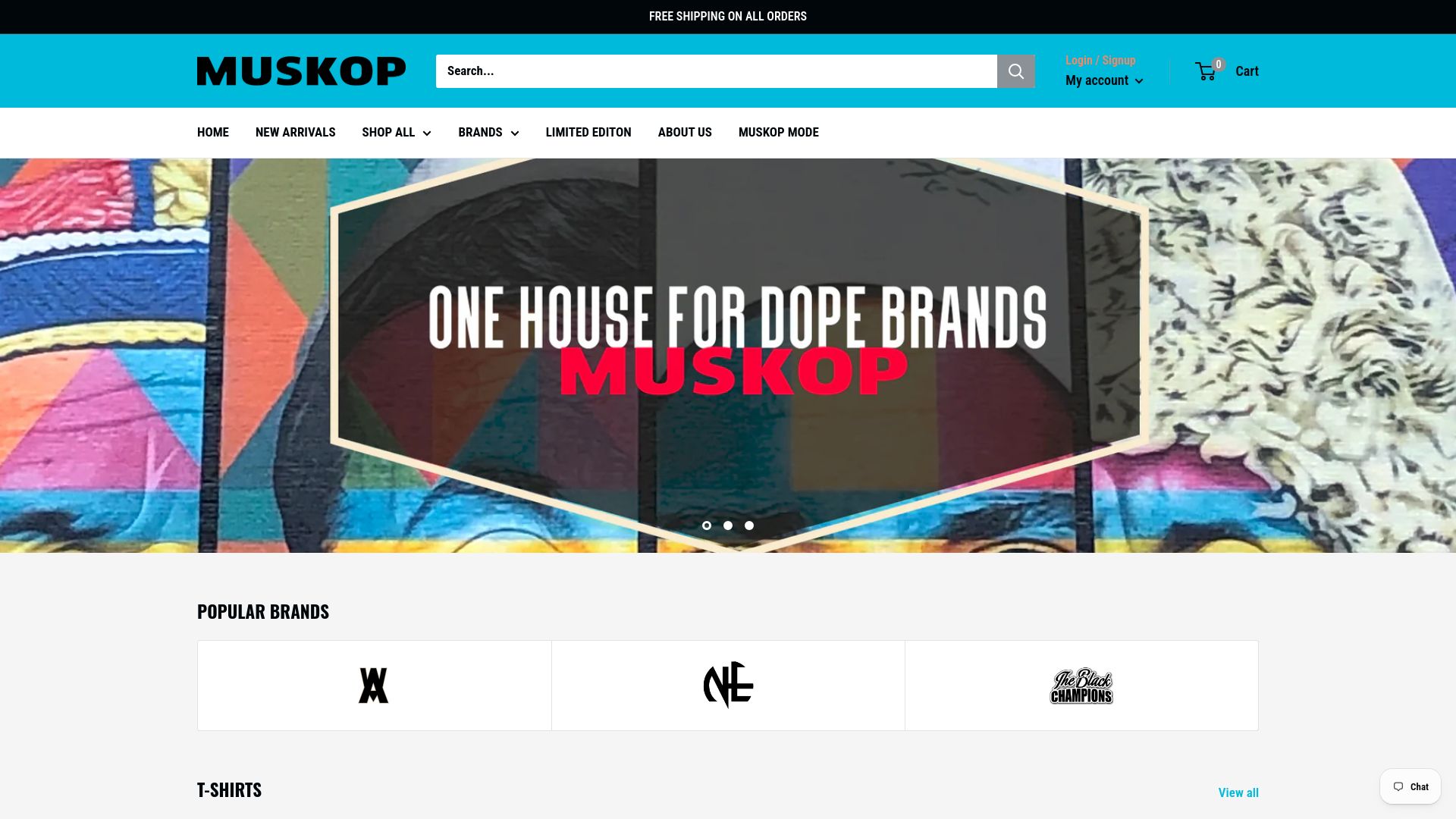
Muskop ships every order free and offers interest-free payment plans, so building out a wardrobe that matches your sneaker rotation doesn’t require choosing between the shoes and the shirt. If you want tees that speak the same visual language as your favorite silhouettes, check out the current sneakerhead identity tee collection and browse the full lineup at Imuskop to find a piece that fits your rotation.
Frequently Asked Questions
What is a sneakerhead? A sneakerhead is someone who collects, trades, or deeply follows sneaker releases, treating shoes as cultural objects rather than pure functional footwear. The term describes both serious collectors chasing rare pairs and enthusiasts invested in the community’s history and rituals.
What defines sneakerhead culture beyond just owning sneakers? Sneakerhead culture centers on identity, community codes, and shared rituals, customization, event attendance, brand loyalty, and respect for a shoe’s story, not simply ownership. Someone can own dozens of pairs and not be part of the culture if they ignore its social codes.
Why is Air Jordan considered so central to sneakerhead culture history? The Air Jordan 1’s 1984 to 1985 release, tied to Michael Jordan’s rookie deal with Nike, professionalized athlete endorsements and introduced scarcity as a deliberate marketing strategy, a shift National Geographic documents as foundational to modern collector behavior.
How did hip-hop influence sneaker culture originally? Hip-hop artists, especially Run-D.M.C. with their 1986 Adidas partnership, turned specific sneaker models into visual identity markers years before athletic brands built formal marketing campaigns around that behavior.
Is the sneaker resale market still growing? Estimates suggest the resale market reached multibillion-dollar scale by the 2010s and early 2020s, though analysts note sneakerhead influence shows up more in cultural relevance than in raw sales share compared to the broader footwear industry.
Sources
- National Geographic — How sneaker culture took over the world
- Britannica — History of sneakers
- NC State — How Black culture and Black history inform sneakerhead culture