

Yes, streetwear can be made sustainably, but only when brands pair low-impact materials with slower, circular business models and honest lifecycle claims. The U.S. generated about 17 million tons of textile waste in 2018, with a recycling rate around 14.7% as reported by the EPA. This guide shows you what real progress looks like versus what’s just a marketing sticker.
TL;DR:
- Certified low-impact fibers, like hemp or organic cotton, are more genuinely sustainable than recycled polyester, which is often derived from bottles rather than old garments.
- Slower, circular business models such as small-batch production, repairability, and take-back programs significantly reduce waste compared to hype-driven drops and overproduction.
- Garment parts like trims, labels, and prints can prevent recycling if they contain mixed fibers or contaminants like glued patches or synthetic labels.
- Choosing heavier, durable garments with transparent supply details and disposal instructions is more impactful than relying solely on certifications or marketing claims.
Table of Contents
- Does Sustainable Streetwear Actually Exist?
- Which Materials Actually Reduce Impact?
- How Business Models Change the Impact Math
- Why Small Finishing Details Block Recyclability
- What Credible Signals Look Like on a Product Page
- How to Shop Sustainable Streetwear: A Step-by-Step Checklist
- How Muskop Applies These Principles
- What the Data Actually Tells You to Prioritize
- Browse Streetwear Built to Actually Wear, Not Just Wear Out
- Sources
- FAQ
Does Sustainable Streetwear Actually Exist?
The honest answer is: rarely, and never by accident. Streetwear’s business model works against it from the start. Hype-driven drops encourage buying fast and often, and most brands still lean on petrochemical-based synthetics because they’re cheap and easy to print on.
The scale of the problem is bigger than most shoppers realize. Global fiber production hit around 132 million tonnes in 2024, and Textile Exchange’s Materials Market Report found recycled fibers made up roughly 7.6% of that total. Textile-to-textile recycling, meaning old garments turned into new fiber rather than downcycled into something lesser, remained under 1% of the global market
By the numbers: The U.S. recycled just 14.7% of textiles discarded in 2018, and less than 15% of clothing thrown away worldwide gets recycled at all — most goes straight to a landfill or an incinerator.
Virgin polyester production continues to grow faster than recycled alternatives, which tells you something important: swapping materials one product line at a time isn’t fixing the underlying math. The industry needs process changes, not just ingredient swaps.
Which Materials Actually Reduce Impact?
Not every “sustainable” fiber claim carries the same weight, and some get more credit than they deserve. Organic cotton skips synthetic pesticides and usually uses less water than conventional cotton, but it still needs land and irrigation. Hemp requires far less water and improves soil health as it grows, making it one of the more genuinely low-impact fibers on the market. MMCFs (man-made cellulosic fibers) like TENCEL lyocell come from wood pulp processed in closed-loop systems that reuse the solvents involved.
Recycled polyester deserves a closer look before you trust the label. About 98% of recycled polyester comes from plastic bottles, not old clothing, according to Textile Exchange. That’s downcycling, not circularity. It diverts bottles from landfills once, but the garment itself still isn’t designed to become fiber again at the end of its life.
Certifications worth checking on a hang tag or product page:
- GOTS (Global Organic Textile Standard): verifies organic fiber content plus environmental and labor criteria through processing.
- GRS/RCS (Global Recycled Standard/Recycled Claim Standard): confirms recycled content and traces the chain of custody.
- OEKO-TEX: tests for harmful substances in the finished fabric, not the fiber’s origin.
None of these certifications alone guarantees a low-impact product. They just confirm a specific claim is real instead of invented.
How Business Models Change the Impact Math
Materials matter, but the business model behind a product often matters more. Streetwear’s core problem is speed. Highsnobiety’s reporting points to hype-driven drop culture as the main engine behind overproduction and waste, and slower models are the clearest fix.
What actually reduces impact:
- Small-batch production and limited restocks instead of speculative mass drops that leave excess inventory.
- Designing for repair, using stitched seams and replaceable parts instead of glued, disposable construction.
- Take-back and resale programs that give a garment a second owner or a path back into materials instead of a landfill.
A brand doing even one of these consistently is ahead of most of the category.
Why Small Finishing Details Block Recyclability
The parts of a garment you barely notice, the trim, the print, the label, often decide whether it can ever be recycled. Mixed-fiber blends (cotton/poly combos) are nearly impossible to separate at recycling facilities. Plastisol ink prints, glued patches, and synthetic woven labels all contaminate what would otherwise be a clean recyclable fabric.
Lower-impact alternatives exist and are gaining ground:
- Water-based or discharge inks instead of plastisol, which reduce plastic content in the print itself.
- Stitched or embroidered trims instead of glued appliqués.
- Mono-fiber construction (100% cotton or 100% polyester) so the finished garment can actually be sorted and processed.
Print method matters too. Direct-to-garment printing tends to use less material and produces less waste than some transfer methods, depending on the order size and design complexity.
Pro Tip: Check the care label before you check the marketing copy. A tee that says “60% cotton, 40% polyester” is telling you it can’t be cleanly recycled, no matter what the front of the tag claims. Washing blends in a mesh laundry bag also cuts down on microplastic shedding into wastewater.

What Credible Signals Look Like on a Product Page
Real transparency looks specific, not aspirational. A product page worth trusting usually shows a fiber percentage breakdown (not just “eco-friendly cotton blend”), names its suppliers or factories, and explains what happens to the garment when you’re done with it, whether that’s a take-back program, a repair service, or clear disposal guidance.
Watch for these greenwashing patterns:
- Vague language with no backup. “Eco-conscious” or “green” with no fiber content, no certification, nothing you can verify.
- One good stat standing in for the whole product. “Made from recycled bottles” says nothing about the other 40% of the blend or the dyeing process.
- A single small win used to distract from the bigger picture. A biodegradable poly bag doesn’t offset a shirt made entirely of virgin polyester.
Brands writing honestly about ethical streetwear practices tend to publish supplier information and material sourcing details rather than burying them. That level of detail is rare enough that when you find it, it’s worth noting.
How to Shop Sustainable Streetwear: A Step-by-Step Checklist
Shopping smarter doesn’t require becoming a materials scientist. It requires checking the same handful of things every time, in order.
- Read the fiber breakdown first. Skip straight past the marketing copy to the percentages. A 100% organic cotton tee tells you more than three paragraphs of brand language.
- Look for a real certification, not just a leaf icon. GOTS, GRS, or OEKO-TEX logos should link to a verifiable database entry.
- Check the fabric weight and construction. Heavier, well-stitched garments in durable materials built for longevity simply last longer, and the longest-lasting garment is always the lowest-impact one per wear.
- Ask if there’s a take-back, repair, or resale option. Its presence signals the brand is thinking past the first sale.
- Look at the production model. Small-batch runs waste less than speculative bulk drops.
- Judge transparency by specificity. Supplier names, factory locations, and audit summaries beat adjectives every time.
- Check the disposal policy, if one exists. A brand that tells you what to do with a worn-out garment is rare and worth rewarding with your money.
Red flags to walk away from: unexplained percentages, certifications with no verification link, and any claim that leans on one ingredient to justify the whole product.
Pro Tip: Read the “About” and “Materials” pages before you read the reviews. Reviews tell you if a shirt shrinks; the materials page tells you if the brand actually knows what’s in it. Good seasonal styling advice can also help you buy fewer, more versatile pieces instead of chasing every drop.
How Muskop Applies These Principles
Some brands focus on original graphic designs built to last past a single hype cycle, rather than chasing every micro-trend. These brands often offer product lineups, from tees and hoodies to joggers and accessories, that emphasize quality construction paired with artwork that has staying power, the kind of piece you keep wearing instead of retiring after one season. Some also offer free shipping and interest-free payment plans, removing some of the friction that pushes shoppers toward disposable fast-fashion alternatives.
That said, apply the same checklist here that you’d apply anywhere else. Check individual product pages for fiber content and care instructions before buying, the same way this guide recommends for any brand. Muskop’s own coverage of streetwear’s cultural evolution is a useful reference point for understanding where the industry’s habits came from.
What the Data Actually Tells You to Prioritize
Most sustainability advice in streetwear gets the order of operations backward. It leads with fiber content, as if a recycled-polyester patch on an otherwise disposable garment solves anything. It doesn’t. The business model behind a product, how fast it’s made, how many units get produced speculatively, whether it’s designed to be repaired, does more to determine real-world impact than the fiber label ever will.

The industry’s own numbers back this up. That’s not a materials problem you can shop your way out of one purchase at a time. It’s a production-speed problem.
If there’s one thing worth doing differently: stop treating certifications as the finish line and start treating them as the minimum bar. A GOTS logo tells you the cotton is organic. It tells you nothing about whether the shirt was made to be worn for five years or five washes. Buy less, buy heavier-weight garments built with intention, and give real weight to any brand that tells you what happens to the product after you’re done with it.
— Robert
Browse Streetwear Built to Actually Wear, Not Just Wear Out
Muskop is the alternative to chasing weekly hype drops. Instead, you get original graphic designs made to stay in rotation, not landfill-bound after one season.
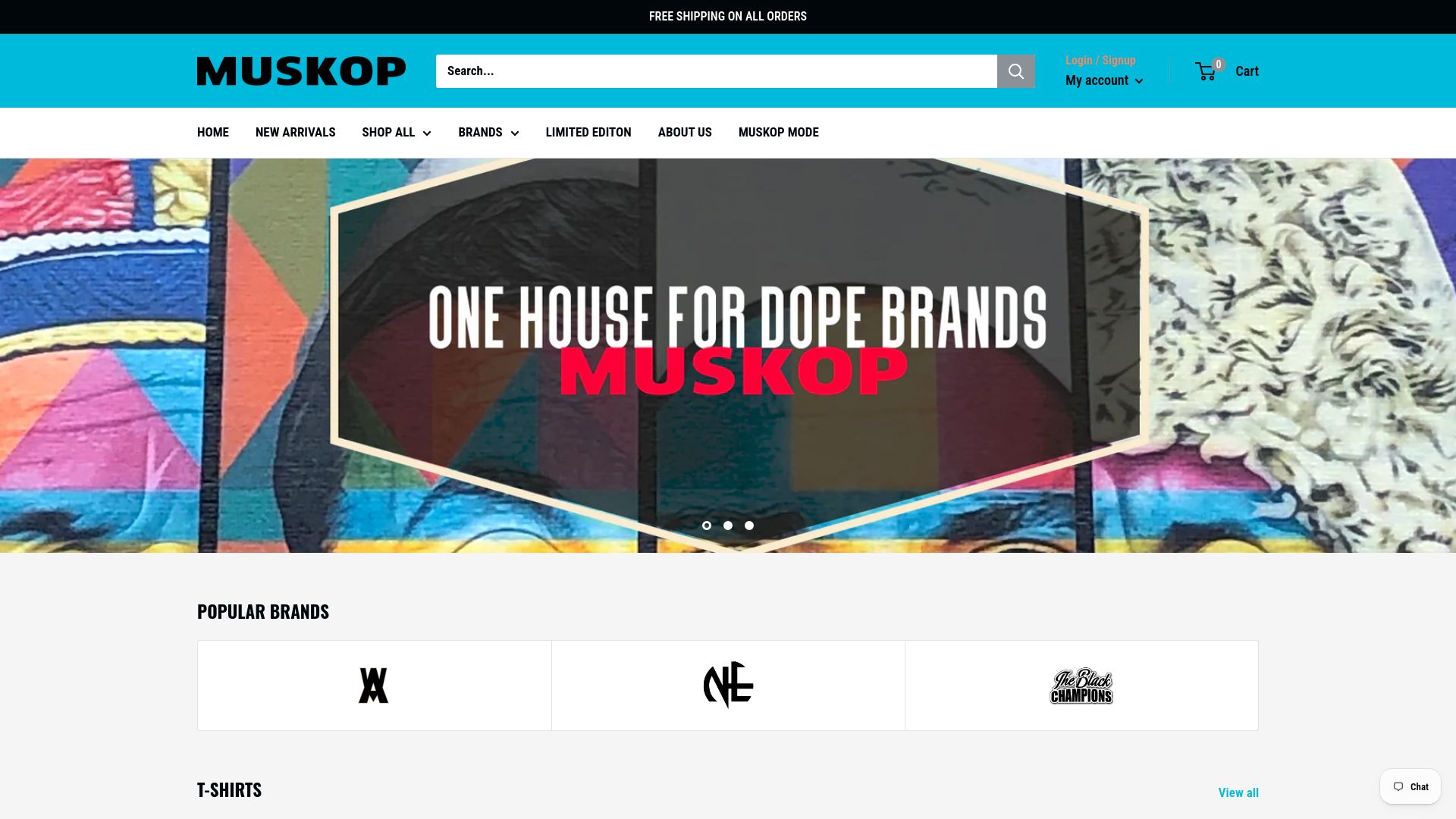
The checklist in this guide works no matter where you shop, but if you’re looking for a place to start, Muskop’s storefront carries tees, hoodies, sweatshirts, joggers, and accessories designed around statement artwork rather than disposable trend-chasing. Free shipping on orders and interest-free payment plans through Affirm mean you’re not paying extra to shop with intention. Check the fiber content and care instructions on any product page before you buy, the same habit this guide recommends everywhere else, then browse the full Muskop catalog to see what fits your closet and your values.
Sources
- Textiles material-specific data | Facts and Figures about Materials, Waste and Recycling | US EPA
- Materials Market Report 2025 – Textile Exchange
- Streetwear has a sustainability problem | Highsnobiety
FAQ
Is Streetwear Ever Truly Sustainable?
No single garment is perfectly sustainable, but some come far closer than others. Look for certified low-impact fibers, slower production models, and take-back or repair programs rather than a single “eco” buzzword on the tag.
What’s Wrong With Recycled Polyester?
It’s usually made from plastic bottles rather than old clothing, which means it’s downcycling rather than true circularity. Textile-to-textile recycling still accounts for under 1% of the global fiber market, so recycled polyester alone doesn’t close the loop.
Which Certifications Should I Actually Trust?
GOTS verifies organic fiber content and processing standards, GRS/RCS confirms recycled material content and chain of custody, and OEKO-TEX tests for harmful substances in the finished fabric. Each one verifies something different, so check which claim you actually care about.
Does Muskop Sell Sustainably Made Streetwear?
Muskop focuses on durable, original graphic designs meant to outlast a single trend cycle, along with free shipping and interest-free payment plans through Affirm. Check individual product pages for specific fiber content and care details before buying.
How Much Textile Waste Does the U.S. Actually Generate?
The U.S. generated about 17 million tons of textile waste in 2018, with only around 14.7% of it recycled. The rest went to landfills or incineration, which is a major reason durability and repairability matter as much as fiber choice.
Recommended
- Ethical Streetwear Brands
- Step-by-Step Guide How to Find the Best Streetwear Brands Online
- Sustainability in Sneaker Fashion
- Organic Cotton Streetwear
More questions people ask
How do I check the sustainability of a clothing brand?
Look past the marketing sticker and check specifics: what fiber the garment is actually made from, whether any certifications are named and verifiable, and whether the brand explains how the item is produced and what happens to it at end of life. Brands that make items to order instead of mass-producing speculative inventory, and that use stitched trims rather than glued patches, tend to be further along than most of the category.
What should I look for on a product page to judge how sustainable it is?
A credible product page gives you a fiber breakdown, names a specific certification like GOTS, GRS, or OEKO-TEX rather than a vague claim, and tells you how the garment is constructed, including whether trims and prints are mono-fiber or mixed. If a page only uses a sustainability buzzword with no detail behind it, that is a sign to look elsewhere for proof.
Does small-batch production reduce waste compared to regular drops?
Yes. Limited restocks avoid the leftover, unsold inventory that speculative mass drops create, which is one of the clearer ways a business model reduces impact. Ships in 3–7 business days.