

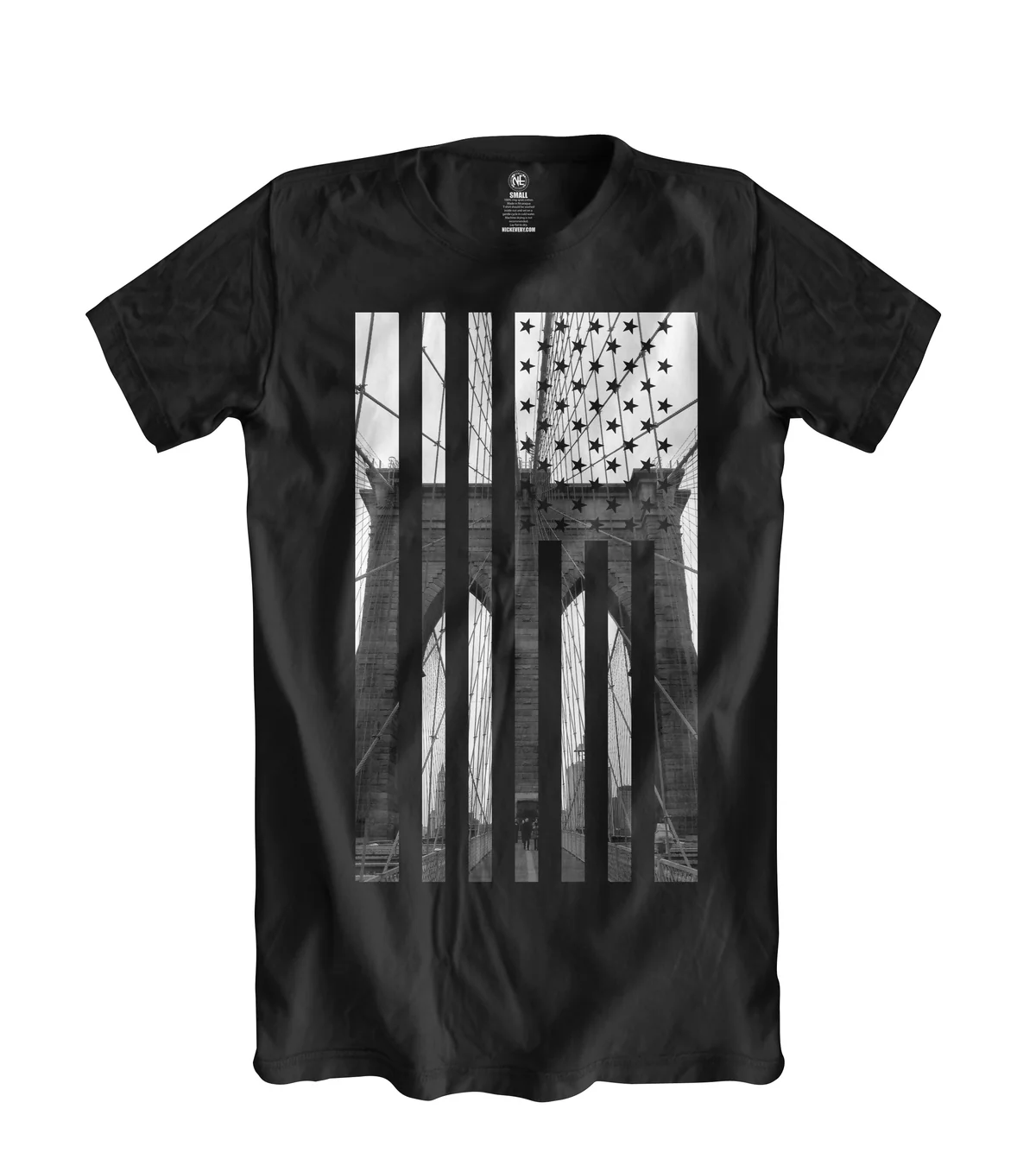
Winter streetwear outfits work when you build them around one anchor piece, a coat, bag, or statement tee, and let the rest of the layers stay quiet. That single rule keeps you warm without disappearing into a pile of fabric. What follows are outfit ideas, piece-by-piece guidance, and a step-by-step layering method Imuskop uses to think about cold-weather dressing.
TL;DR:
- A bold graphic tee is the ideal anchor piece for winter streetwear, especially when layered under an oversized puffer or coat to add personality.
- Outerwear options range from parkas for severe cold to technical shells for rain and snow, with layering order and fit crucial for warmth without bulk.
- Bright citrus puffer jackets and tailored long coats are trending, with leather and metallic accents adding visual interest to winter outfits.
- Proper layering begins with a moisture-wicking base, followed by insulation mid-layer, and a windproof outer shell to stay warm and maintain a silhouette.
- Regular maintenance like brushing wool coats and waterproofing boots prolong clothing lifespan while ensuring outfit practicality in snow, rain, and cold.
Table of Contents
- Winter Streetwear Outfit Ideas Worth Copying
- Key Wardrobe Pieces For Winter Streetwear
- How To Layer For Warmth Without Losing Your Silhouette
- What’s Trending In Winter Streetwear For 2026
- Caring For Your Winter Streetwear So It Lasts The Season
- Dressing Streetwear For Snow, Rain, And Extreme Cold
- Robert’s Take: What NYC Streets Actually Teach You About Winter Dressing
- Build Your Anchor Piece With Imuskop
- Sources
- FAQ
Winter Streetwear Outfit Ideas Worth Copying
Cozy streetwear outfits don’t have to look like you’re wearing three of everything. The trick is picking a silhouette, then dressing it up or down depending on temperature. Below are nine looks that translate well from a phone screen to an actual sidewalk in January.
-
Oversized puffer over a graphic tee. A knee-length puffer in black or olive, worn open over a bold printed tee, straight-leg denim, and chunky sneakers. The tee is the anchor here, so pick one with real personality since it’s the only thing peeking through. Swap: if it’s under 30 degrees, add a thermal layer underneath the tee instead of piling on a second jacket.
-
Tailored long coat with a turtleneck. This one borrows straight from the runway. A wool topcoat past the knee, a fitted turtleneck, tapered trousers, and leather boots. Keep sneakers out of this one; the coat wants something with a heel or a clean sole to read as intentional rather than mismatched.
-
Monochrome gray on gray. Charcoal hoodie, heather sweatpants, and a matching beanie, broken up only by white sneakers. Monochrome reads expensive even when the pieces aren’t, because the eye isn’t jumping between colors. Swap: add a cropped vest in a contrasting texture if the flat gray starts to feel like loungewear.
-
Mini skirt, tights, and combat boots. For anyone skipping pants entirely, this is the winter street-style staple: a mini skirt over thick tights, an oversized flannel or shearling jacket, and lace-up boots. The proportions do the work: short on bottom, boxy on top.
-
Leather jacket in a neutral palette. Cropped or moto-style leather over a hoodie, with cargo pants and boots. Leather has become a recurring cold-weather signal on the street-style circuit, and it reads tougher than a puffer without sacrificing much warmth if you layer underneath it correctly, which the NYFW street-style crowd leans into with turtlenecks under leather outerwear.
-
Colorful puffer as the whole outfit. Instead of hiding the puffer under a coat, let a citrus-bright puffer, think tangerine or lime, be the loudest thing you own. Pair it with black joggers and black boots so the color has room to actually register.
-
Bomber jacket with wide-leg trousers. A cropped bomber, ribbed base layer, wide-leg trousers, and low-top sneakers. The wide leg balances the cropped jacket so you’re not left with a boxy top and skinny bottom that looks unfinished.
-
Shearling collar over a hoodie. A shearling or faux-shearling jacket layered over a plain hoodie, straight denim, and boots. The texture contrast, fuzzy collar against smooth denim, is what makes this one photograph well.
-
All-neutral with one metallic accent. Camel, cream, and tan pieces stacked together, finished with a single metallic accessory, a chain, a belt buckle, or reflective sneakers. This is the quietest look on the list and the easiest to wear to work.
Mixing textures, wool against leather against technical nylon, is what keeps a layered outfit from looking flat, a point street-style roundups return to again and again.
Key Wardrobe Pieces For Winter Streetwear
Every look above pulls from the same short list of pieces, including a versatile range of hoodies and outerwear. Get these right and you can mix and match without much thought.
Outerwear, ranked by how much cold they can handle:
- Parkas: the warmest option, best for genuinely cold cities, look for a removable liner
- Puffers: lighter than parkas, great for layering, buy one size up if you plan to wear a hoodie underneath
- Wool coats: better for city cold than deep freezes, pairs best with a turtleneck for extra warmth
- Shearling jackets: heavy but not always waterproof, best paired with a scarf and gloves for wind
- Bomber jackets: the least warm of the group, works best as a mid-layer or for mild winter days
Knits, hoodies, and base layers. A fitted merino or cotton-blend base layer under a hoodie traps heat without adding bulk. Oversized hoodies work as a mid-layer only if your outerwear has room to close over them; if it doesn’t, size down.
Bottoms and footwear. Straight-leg and wide-leg denim both hold up in cold weather better than skinny cuts, which restrict movement in thick socks. For footwear, look for boots with a real tread and some insulation, and save canvas sneakers for days above 40 degrees.
Accessories and the anchor rule. A scarf, a bag, or a single statement piece can do the job of an entire outfit’s personality. Styling experts consistently point to this as the move that keeps winter dressing from feeling like storage, one strong piece up front, everything else in a supporting role.
Pro Tip: If you’re not sure which piece should be your anchor, pick the one item in your closet you’d actually miss if it got lost in the wash. That’s the piece that should be visible.
How To Layer For Warmth Without Losing Your Silhouette
Layering is a sequence, not a pile. Get the order right and you stay warm without looking like you gained twenty pounds overnight.
- Base layer first. A thin, moisture-wicking layer against your skin, thermal or merino wool, keeps you dry, which matters more for warmth than thickness does.
- Mid layer for insulation. A hoodie, sweater, or flannel goes next. This is where most of your actual warmth comes from, so don’t skip it to save room for a bulky coat.
- Outer layer for wind and water. Your coat or jacket should block wind and moisture, not just look good. A wool coat with no lining does neither job well in real cold.
- Balance proportions on purpose. If your outer layer is oversized, keep your base and mid layers slim. If everything is loose, you lose the shape entirely and just look bundled.
- Swap by temperature, not by outfit. Keep the same silhouette and change one variable, add a thermal, drop the scarf, switch boots, rather than rebuilding the whole outfit every time it gets colder.
Small items carry more weight than people expect. A beanie and gloves can let you wear a lighter coat than you’d otherwise need. Muskop’s own guide to layering breaks this sequence down further with specific fabric pairings.
Pro Tip: Test your outfit by raising your arms above your head. If your base layer rides up and exposes skin, your proportions are off before you even step outside.
What’s Trending In Winter Streetwear For 2026
Winter urban fashion this year is less about hiding under a single giant coat and more about deliberate contrast. A few signals worth watching.
- Citrus color pops. Bright lime and tangerine pieces have shown up repeatedly in celebrity street style, including Rihanna and A$AP Rocky’s cold-weather looks, proving one bright piece against dark neutrals reads as intentional, not chaotic.
- Tailored long coats. New York Fashion Week street style has leaned hard into knee-length and longer coats paired with turtlenecks, a look that works just as well with sneakers as it does with boots.
- Leather as a cold-weather staple, not just a fall transition piece, often worn over hoodies for warmth underneath.
- Faux fur trims and metallic accents as finishing touches, small enough to add without redoing the whole outfit.
- Statement eyewear carrying over from runway looks into everyday cold-weather dressing, functioning almost like jewelry for the face.
The throughline across all of these: one bold element, not five.
Caring For Your Winter Streetwear So It Lasts The Season
Wool coats need brushing, not washing, in most cases. A soft garment brush after each wear keeps dirt from grinding into the fibers, and a trip to the dry cleaner once or twice a season is usually enough.
Puffers and technical jackets do better in the wash than people assume, but only on a gentle cycle with a mild detergent, and they need to go in the dryer with a couple of tennis balls or dryer balls to keep the down or synthetic fill from clumping into flat patches.
Leather jackets should never see a washing machine. Wipe them down with a damp cloth and apply a leather conditioner every few months to keep the material from cracking in cold, dry air.
Hoodies and graphic tees hold their print longer when washed inside out in cold water. Skip the dryer’s high heat setting, since that’s what cracks graphics and shrinks cotton blends fastest.
Boots need the most attention of anything on this list. Salt stains from winter sidewalks eat away at leather and suede if you don’t wipe them off within a day or two, and a waterproofing spray applied before the season starts saves a lot of cleaning later.
Dressing Streetwear For Snow, Rain, And Extreme Cold
Snow calls for waterproof or water-resistant footwear above anything else, since wet feet undo an otherwise great outfit fast. Swap canvas sneakers for boots with a rubber sole and some tread, and choose an outer layer with a durable water repellent finish rather than one that’s just warm.
Rain changes the outerwear math. A wool coat that looks great in dry cold turns heavy and slow to dry once it’s wet, so a treated puffer or a technical shell holds up better on genuinely rainy days, even if it’s less photogenic.
Extreme cold, anything below the teens, is where layering order matters most. Add a second mid layer rather than a heavier coat if you can, since trapped air between layers insulates better than one thick piece. Cover exposed skin: ears, neck, and hands lose heat fastest, so a real scarf and gloves do more than people give them credit for.
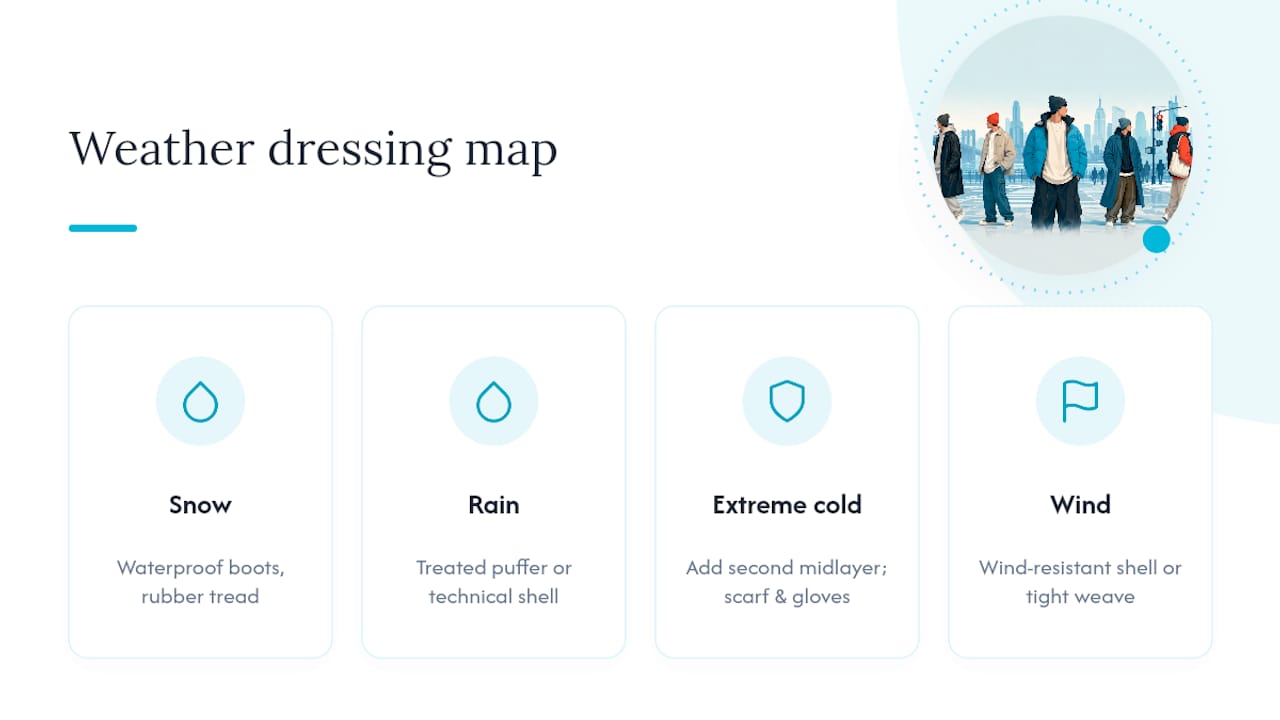
Wind is the condition most outfits ignore entirely. A wool coat with no wind-resistant lining can feel far colder than the temperature suggests, so check for a shell layer or a tighter weave if you’re regularly out in exposed, windy areas of the city.
Robert’s Take: What NYC Streets Actually Teach You About Winter Dressing
Most winter streetwear advice treats warmth and style as a trade-off. It isn’t. What I’ve noticed watching outfits move through New York over the years is that the people who look best in January aren’t wearing less, they’re just better at choosing what stays visible. A graphic tee under an open puffer does more styling work than an entire new jacket would.
That’s the real value of an anchor piece: it gives cold-weather layering a reason to exist beyond survival. A well-chosen tee, bag, or coat lets everything else fade into the background on purpose. More on how that plays out on actual New York streets is worth a read if you want the fuller picture.
— Robert
Build Your Anchor Piece With Imuskop
If the outfits above have you thinking about which piece in your closet actually deserves to be seen, that’s exactly where Imuskop fits in. The brand’s graphic tees and layering staples are built to be the one loud element under a quiet coat, not another piece competing for attention.

Every design leans into pop culture, activism, or original artwork, which makes it easy to build a whole winter outfit around one shirt instead of hunting for five separate statement pieces. Some brands offer free shipping and interest-free payment plans through Affirm, which can make building out a layering wardrobe more accessible. Browse the current lineup at Imuskop and find the piece your next cold-weather outfit gets built around.
FAQ
What Is The 3-3-3 Rule For Clothes?
It’s a minimalist packing and dressing method: 3 tops, 3 bottoms, and 3 pairs of shoes worn in rotation for a set period. Applied to winter streetwear, it works well for building a small capsule around one anchor coat and a few interchangeable layers.
What Streetwear Is Trending Right Now?
Long tailored coats, leather outerwear, faux fur trims, and bright citrus color pops are the strongest signals coming out of recent street-style and fashion week coverage. Graphic tees and hoodies used as visible anchors under open jackets remain a constant.
What Are Some Trendy Winter Outfits For 2026?
Oversized puffers over statement tees, tailored long coats with turtlenecks, and monochrome gray outfits broken up with white sneakers are all reading as current for winter 2026. Leather jackets paired with cargo pants and boots are another strong option.
What Is Trending In Winter Wear?
Beyond outerwear, the trend list includes metallic accents, statement eyewear, and texture mixing, wool against leather against technical nylon, as the details that separate a thrown-together outfit from a styled one. Graphic tees fit naturally into this as the anchor piece under heavier layers.