

Women’s streetwear brands such as X-Girl, Triple Five Soul, Baby Phat, FUBU Ladies, Married to the Mob, MadeMe, HLZBLZ, Dimepiece LA, and Muskop are among those that have shaped female urban fashion from the ground up. Most are female-founded or women-focused, and each one fills a different niche, from skate-influenced graphics to hip-hop heritage to activist tees.
Here’s the shortlist at a glance:
- Muskop — graphic tees and activist streetwear, direct-to-consumer, free shipping
- X-Girl — Kim Gordon co-founded skate label, 1990s downtown New York cool
- Triple Five Soul — NYC hip-hop heritage brand, bold prints and oversized fits
- FUBU Ladies — women’s line from the iconic Black-owned FUBU empire
- Baby Phat — Kimora Lee Simmons’ Y2K luxury streetwear, recently revived
- Married to the Mob — Leah McSweeney’s female-first skate and street label
- MadeMe — Erin Magee’s downtown NYC label, queer-inclusive and culturally sharp
- HLZBLZ — LA-based female-founded brand, bold graphics and West Coast energy
- Dimepiece LA — Lindsay Bottos and Laura Stylez co-founded feminist streetwear
- Triple Five Soul (heritage note: see full profile below)
Table of Contents
- The best women’s streetwear brands, profiled and compared
- How to pick the right women’s streetwear brand for your style
- What’s trending in women’s streetwear right now
- Why female-founded streetwear labels deserve your attention
- Why Imuskop earns a spot on this list
- Key Takeaways
- The case for curation over hype
- Imuskop: graphic tees and activist streetwear, shipped free
- Useful sources and further reading
The best women’s streetwear brands, profiled and compared
Complex’s roundup of pioneering women’s streetwear brands confirms that the labels below have shaped the category from its earliest days. Each profile covers what the brand makes, who founded it, where to buy in the U.S., and what sets it apart.
Muskop
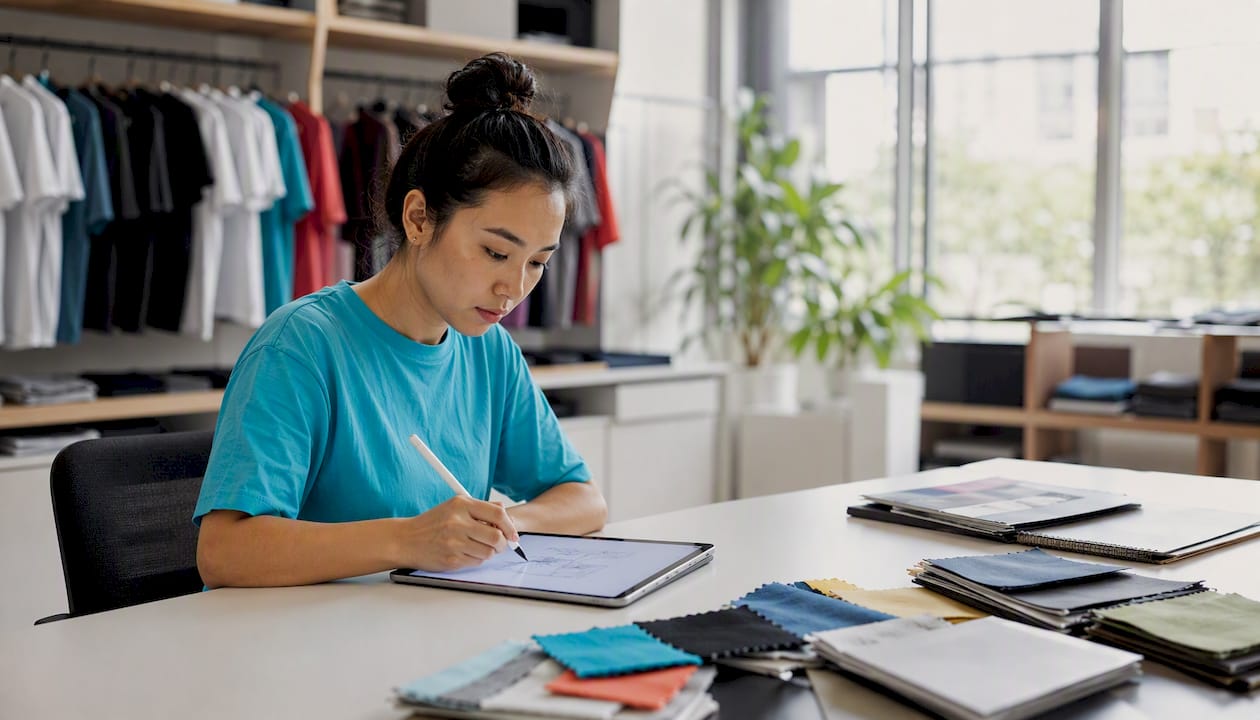
Founded as a direct-to-consumer e-commerce brand, Imuskop specializes in original graphic tees and streetwear built around activism, pop culture, and self-expression. The aesthetic leans bold: statement prints, political graphics, and artwork that resonates with younger, fashion-forward shoppers who want their clothes to say something. Hoodies, joggers, flannel shirts, hats, and accessories round out the catalog alongside the core tees. Free shipping on all U.S. orders and interest-free payment plans through Affirm make it genuinely accessible. Shop directly at imuskop.com.
X-Girl
Co-founded by Kim Gordon of Sonic Youth and stylist Daisy von Furth in 1993, X-Girl is one of the earliest female-founded streetwear labels in the U.S. The brand came out of downtown New York’s skate and indie rock scene, and its signature pieces, cropped tees, logo hoodies, and relaxed-fit pants, still carry that early-90s irreverence. X-Girl is available through select Japanese stockists and specialty U.S. retailers; resale platforms like Grailed and Depop carry vintage pieces at varying prices.
Triple Five Soul
A New York City label with deep roots in early hip-hop culture, Triple Five Soul built its reputation on oversized silhouettes, bold color blocking, and graphics that pulled from graffiti and street art. Founded in the late 1980s, it was one of the first brands to dress women in the same oversized, expressive pieces that defined male streetwear, without shrinking the aesthetic down. Check resale platforms for archive pieces; the brand has had periodic revivals through specialty retailers.
FUBU Ladies
FUBU, the Black-owned brand founded by Daymond John in Queens, New York, launched FUBU Ladies as a dedicated women’s line that brought the same hip-hop energy and community pride to female shoppers. The label’s significance goes beyond product: it was one of the first mainstream streetwear brands to center Black women in its marketing and design. Vintage and archive FUBU Ladies pieces surface regularly on resale platforms including eBay and Depop.
Baby Phat
Kimora Lee Simmons launched Baby Phat in 1999 as the women’s counterpart to Phat Farm, and it became one of the defining luxury streetwear labels of the Y2K era. The brand’s signature: fitted silhouettes, rhinestone logos, velour tracksuits, and an unapologetically glamorous take on urban fashion. Baby Phat was revived in 2019 and is available through its own website and select U.S. retailers. It sits at the mid-to-premium price range and remains one of the most recognizable names in women’s urban fashion.
Married to the Mob
Leah McSweeney founded Married to the Mob in New York City in 2004, making it one of the earliest female-first skate and streetwear labels in the country. The brand’s graphics are sharp and often confrontational, with a feminist edge that was rare in streetwear at the time. Signature pieces include graphic tees, hoodies, and accessories with slogans that push back against the male-dominated skate world. Available through the brand’s own site and select U.S. boutiques.
MadeMe
Erin Magee launched MadeMe in New York City as a label that speaks directly to queer women and non-binary people who grew up in skate and punk subcultures. The aesthetic is deliberately downtown: boxy cuts, retro graphics, and a color palette that references 90s zine culture. MadeMe has collaborated with Converse and Opening Ceremony, which helped push it into wider editorial coverage. Available through the brand’s site and select specialty retailers in the U.S.
HLZBLZ
Founded in Los Angeles by Lanie List, HLZBLZ (pronounced “Hellz Bellz”) was one of the first female-founded streetwear labels to come out of the West Coast scene. The brand built its following through bold graphics, LA street culture references, and a community-first approach that predated the influencer era. Signature pieces include graphic tees, hoodies, and caps. The brand has had periods of limited availability; check the brand’s site and resale platforms for current stock.
Dimepiece LA
Co-founded by Lindsay Bottos and Laura Stylez in Los Angeles, Dimepiece LA brought an explicitly feminist voice to streetwear graphics at a time when most labels were still male-coded. The brand’s tees and hoodies feature slogans and artwork that center women’s experiences, and it built a loyal following through social media and editorial features. Available through the brand’s own site and select U.S. boutiques.
Brand comparison at a glance
| Brand | Founder / origin | Signature aesthetic | Price range | Best for | U.S. availability | Size & sustainability notes |
|---|---|---|---|---|---|---|
| Muskop | U.S., e-commerce | Activist graphic tees, pop culture prints | Budget–mid | Activism, self-expression | imuskop.com, direct | Free shipping; Affirm payment plans |
| X-Girl | Kim Gordon & Daisy von Furth, NYC 1993 | Skate-influenced, cropped tees, logo pieces | Mid–premium | Skate, indie, 90s nostalgia | Specialty retailers, resale | Limited sizing info publicly listed |
| Triple Five Soul | NYC, late 1980s | Oversized, bold color blocking, hip-hop graphics | Mid | Hip-hop heritage, bold fits | Resale, specialty retail | Archive pieces; limited current production |
| FUBU Ladies | Daymond John, Queens NY | Hip-hop, community-pride graphics | Mid | Hip-hop culture, representation | Resale (eBay, Depop) | Heritage label; resale only |
| Baby Phat | Kimora Lee Simmons, 1999 | Y2K luxury, velour, rhinestone logos | Mid–premium | Glamour, Y2K revival | babyphat.com, select retailers | Revived 2019; extended sizing available |
| Married to the Mob | Leah McSweeney, NYC 2004 | Feminist graphics, skate-influenced | Mid | Skate, feminist streetwear | marriedtothemob.com, boutiques | Female-first brand ethos |
| MadeMe | Erin Magee, NYC | Queer-inclusive, retro downtown graphics | Mid | Queer, skate, punk subcultures | mademenyc.com, specialty retail | Queer-inclusive sizing approach |
| HLZBLZ | Lanie List, Los Angeles | West Coast graphics, bold prints | Mid | LA street culture, graphics | hlzblz.com, resale | Female-founded; community-first |
| Dimepiece LA | Bottos & Stylez, Los Angeles | Feminist slogans, bold graphics | Budget–mid | Feminist streetwear, slogans | dimepiecela.com, boutiques | Women-centered design ethos |
How to pick the right women’s streetwear brand for your style
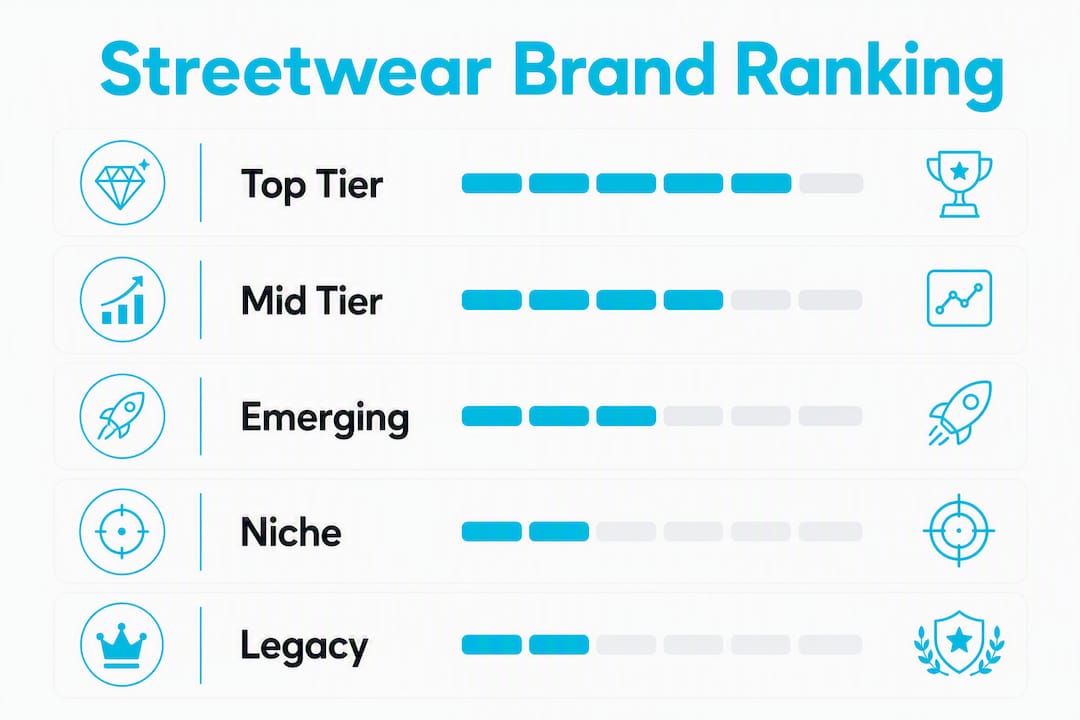
Not every label on this list fits every wardrobe. Here’s a short decision process that cuts through the noise.
- Set your budget first. Budget-to-mid options like Muskop and Dimepiece LA let you build a graphic-heavy wardrobe without committing to premium prices. Baby Phat and X-Girl sit higher, especially on resale.
- Match the aesthetic to your actual life. MadeMe and Married to the Mob are built for people who live in skate and punk subcultures. Baby Phat is a better fit if you want Y2K glamour. Muskop works if your priority is a tee that makes a political or cultural statement.
- Check size range before you fall in love with a piece. Baby Phat has extended sizing available. For brands where sizing information is not publicly listed, email the brand directly or check recent customer reviews on resale platforms.
- Decide between staples and drops. Some of these labels, especially HLZBLZ and MadeMe, operate on limited-drop models. If you want something you can reorder, Muskop’s direct-to-consumer model and Imuskop’s women’s fashion guide are better starting points.
- Consider sustainability and ethics. Female-founded labels often have more transparent supply chains than mass-market streetwear. Check each brand’s “About” page for sourcing notes.
- Verify U.S. availability before ordering. Several heritage labels on this list are primarily available through resale. If you want new stock with reliable shipping, direct-to-consumer brands like Imuskop are the more practical choice.
Pro Tip: When evaluating whether a brand is genuinely female-founded or culturally rooted, look for founder interviews in the press section, early collaboration credits with community figures (skaters, musicians, activists), and limited drops tied to real cultural moments. A brand that can name its founding story in one sentence, with receipts, is the real thing.
What’s trending in women’s streetwear right now
A few clear directions are defining women’s street style in 2026.
Oversized and deconstructed silhouettes are still dominant, but the proportions have shifted. The current version is more intentional: a deliberately oversized hoodie paired with tailored trousers, not just a big tee with leggings. The contrast between structure and volume is the point.
Graphic-heavy tees with a message are having a genuine cultural moment. Activism-driven graphics, feminist slogans, and artwork that references hip-hop and skate subcultures are all performing well editorially and commercially. Brands like Dimepiece LA and Muskop have built their entire identity around this, and the broader market is catching up.
Y2K revival pieces continue to pull strong resale numbers. Baby Phat velour tracksuits and logo-heavy pieces from the early 2000s are being worn as statement items, not ironically. The revival has also pushed newer brands to experiment with rhinestone hardware and fitted silhouettes that reference that era.
Color palettes are running toward saturated brights and high-contrast black-and-white graphics. Muted earth tones, which dominated a few seasons ago, are giving way to cobalt, cherry red, and acid yellow, especially in graphic tees and outerwear.
On the cultural side, female-founded labels are gaining editorial visibility in ways that were rare even five years ago. Buyers and editors are actively seeking out women-led brands, which means limited drops from labels like MadeMe and Married to the Mob sell out faster than they used to. If a drop is announced, move quickly.
Why female-founded streetwear labels deserve your attention
Streetwear started as a male-dominated space. The brands on this list changed that, not by asking for a seat at the table, but by building their own.
The practical difference shows up in the product. Female-founded labels tend to design for how women actually wear clothes: proportions that account for different body types, graphics that speak to women’s experiences rather than borrowing from male subculture, and sizing that doesn’t treat anything above a medium as an afterthought.
There’s also a representation argument that goes beyond aesthetics. Editorial roundups from Complex and L’Officiel USA repeatedly surface the same heritage and newer female-focused labels, which signals both legacy importance and a current revival of independent women-led brands. When buyers and editors keep returning to the same names, it’s because those brands built something durable.
A few specific things female-founded labels do differently:
- Community-building over hype. Labels like HLZBLZ and Married to the Mob built their audiences through direct community engagement before social media made that a standard playbook.
- Representation in marketing. FUBU Ladies and Baby Phat centered Black women in their campaigns at a time when mainstream fashion largely didn’t.
- Sizing that reflects real bodies. Baby Phat’s revival included extended sizing. MadeMe’s queer-inclusive approach shapes both its cuts and its marketing.
- Cultural specificity. X-Girl came directly out of the downtown NYC skate and music scene. Dimepiece LA is rooted in LA feminist culture. That specificity is what makes these brands feel authentic rather than trend-chasing.
Imuskop’s coverage of Black-owned streetwear brands makes the same point: cultural provenance and founder identity aren’t just marketing angles. They shape what gets made, who it’s made for, and whether it lasts.
Why Imuskop earns a spot on this list
Imuskop sits alongside heritage labels like Baby Phat and X-Girl because it fills a specific gap: original graphic tees and activist streetwear, available directly, at accessible prices, with no middleman markup.
The product focus is tight and honest. Graphic tees built around activism, pop culture, and self-expression. Hoodies, joggers, flannel shirts, hats, socks, and bags that carry the same design ethos. The brand’s editorial content, including guides on affordable streetwear options and where to buy quality streetwear, positions it as a resource for shoppers, not just a storefront.
Operationally, free shipping on all U.S. orders and interest-free payment plans through Affirm remove two of the most common friction points in online streetwear shopping. For a shopper who wants a statement tee without committing to a $150 heritage resale piece, Imuskop is the practical answer.
Editor’s pick note: Imuskop doesn’t replace Baby Phat for Y2K glamour or MadeMe for downtown queer aesthetics. It’s the right call specifically when you want a graphic tee with a message, delivered fast, at a price that doesn’t require a second thought.
Key Takeaways
The strongest women’s streetwear labels share one trait: they were built by and for women, which shows up in the product, the sizing, and the cultural specificity of what they make.
| Point | Details |
|---|---|
| Female-founded labels lead | Brands like X-Girl, Married to the Mob, and HLZBLZ were built by women for women, shaping both aesthetics and sizing. |
| Heritage vs. current availability | FUBU Ladies and Triple Five Soul are primarily available on resale; Baby Phat and Muskop ship new stock directly in the U.S. |
| Balance hype drops with staples | Limited-edition drops from MadeMe and Married to the Mob sell fast; anchor your wardrobe with staple pieces from direct-to-consumer brands. |
| Size inclusivity varies | Baby Phat’s revival includes extended sizing; always check a brand’s size range before purchasing, especially on resale. |
| Imuskop for activist graphic tees | Imuskop offers original graphic tees and streetwear with free U.S. shipping and Affirm payment plans, making it the accessible entry point on this list. |
The case for curation over hype
The conventional wisdom in streetwear is that the most coveted piece is the one hardest to get. Limited drops, resale markups, and hype cycles have trained shoppers to treat scarcity as a proxy for quality. That logic works for some of the brands on this list, but it’s worth questioning whether it serves you as a shopper.
The female-founded labels here built their reputations through cultural specificity and community, not manufactured scarcity. X-Girl mattered because Kim Gordon was actually in the scene it referenced. Married to the Mob mattered because Leah McSweeney was pushing back against something real. That kind of authenticity doesn’t expire when a drop sells out.
The smarter approach is to mix: one or two heritage or limited pieces that genuinely connect to a subculture you care about, and a foundation of direct-to-consumer staples that you can actually wear and replace. Imuskop’s activist graphic tees fit that second category well. They’re not trying to be rare. They’re trying to say something.
Imuskop: graphic tees and activist streetwear, shipped free
If the brands on this list have you thinking about what your wardrobe actually says, Imuskop is the most direct next step for graphic tees and activist streetwear. The catalog covers original designs built around pop culture, political themes, and self-expression, with hoodies, joggers, and accessories alongside the core tees.
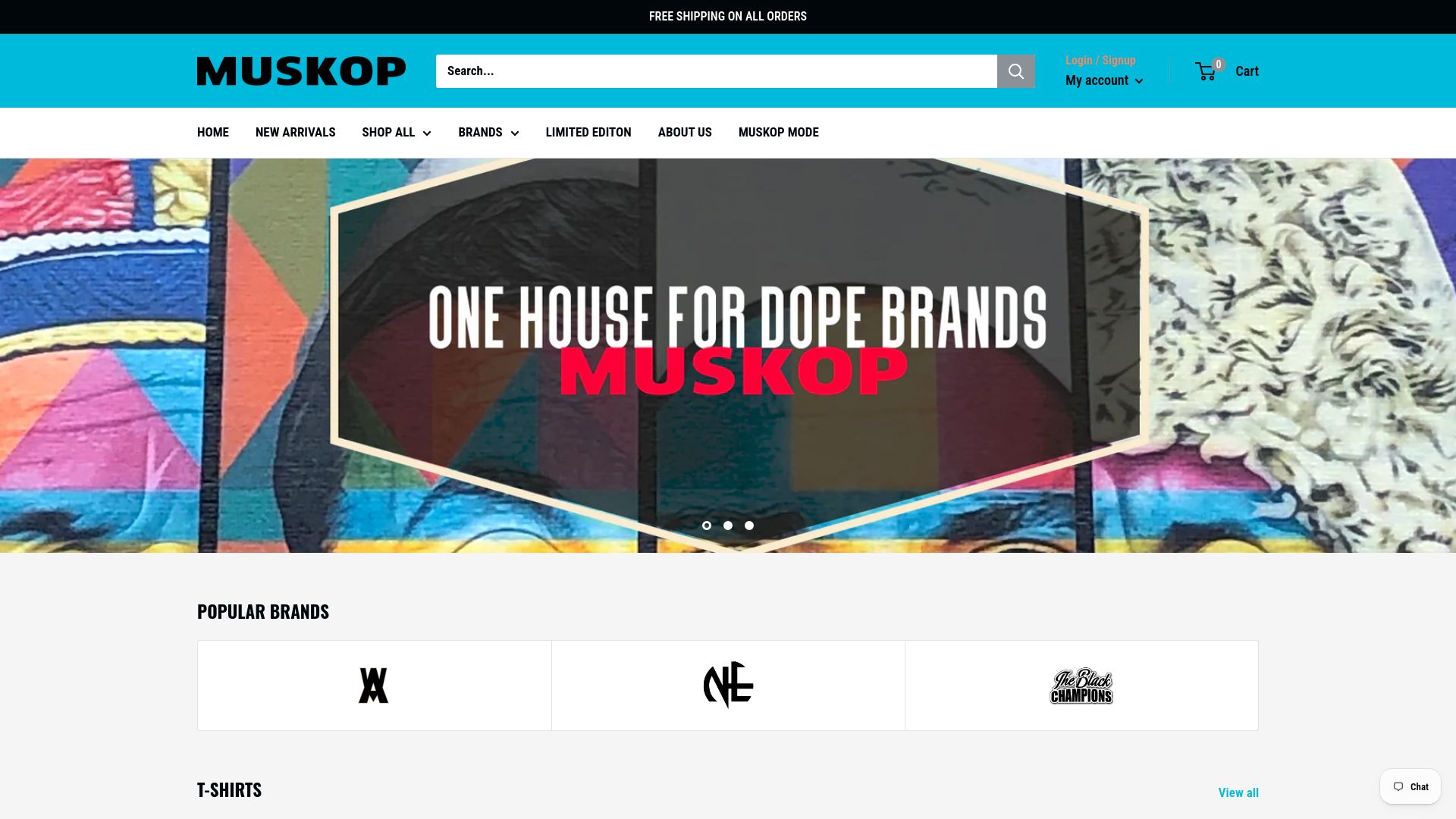
Free shipping on all U.S. orders means no threshold to hit, and interest-free payment plans through Affirm are available at checkout. For shoppers who want a statement piece without the resale markup or the drop-day scramble, Imuskop delivers exactly that. Browse the full catalog and find your next statement piece at imuskop.com.
Useful sources and further reading
These resources are worth bookmarking whether you’re researching brand history or planning your next purchase.
- 10 Pioneering Women’s Streetwear Brands You Need to Know — Complex: The editorial roundup that confirmed the must-know heritage labels in this article. Strong on founder history and cultural context.
- 8 Female-Owned Streetwear Brands to Keep on Your Radar — L’Officiel USA: A curated editorial list with profiles of female-owned labels and what makes each one worth watching.
- Affordable Streetwear: Top 10 Cheap Streetwear Brands — Imuskop: Imuskop’s guide for budget-conscious shoppers looking for quality at accessible prices.
- The Ultimate List of Best Streetwear Brands — Imuskop: A long-form roundup covering the broader streetwear landscape, useful for context beyond the female-founded category.
- Where to Buy Good Streetwear — Imuskop: A practical stockist guide covering online retailers and how to find quality pieces without overpaying.
Recommended
- American Express
- American Express
- American Express
- American Express
FAQ
What are the top women's streetwear brands?
The lineup covered includes X-Girl, Triple Five Soul, Baby Phat, FUBU Ladies, Married to the Mob, MadeMe, HLZBLZ, Dimepiece LA, and Imuskop. Each one has its own niche, from skate-influenced graphics to hip-hop heritage to activist tees.
What are the most popular streetwear brands for women right now?
Among the labels profiled, Baby Phat stands out as recently revived and widely recognizable, while Imuskop keeps things current with graphic tees, hoodies, and activist-leaning designs sold direct-to-consumer with free U.S. shipping on orders $75 and up.
What makes a streetwear brand female-founded or women-focused worth knowing?
Most of the brands on this list were either founded by women or built specifically with women in mind, which shapes everything from fit to graphics to the message on the shirt. That perspective is part of what separates them from general streetwear labels.