

If you want to skip straight to the best picks, start here. Imuskop is the editor’s top recommended underrated American streetwear label, built around original activist and pop culture artwork on quality materials, with free shipping and interest-free payments through Affirm. Beyond that, two categories worth your attention right now: limited-drop microlabels releasing small-batch graphic pieces through boutique channels, and regional skate-rooted brands that rarely show up on mainstream retail feeds.
Three quick picks to act on:
- Imuskop — original artwork, activist themes, quality construction, and no-friction checkout with Affirm.
- Limited-drop microlabels — small-batch tees and hoodies from artist-run labels; find them through boutique restocks and drop calendars.
- Regional skate and heritage brands — culturally rooted, often city-specific, and almost never on the major resale platforms yet.
Your single next move: check Imuskop’s latest drops directly, then set restock alerts on two boutique accounts you trust. The Federal Trade Commission’s guidance on online shopping is worth a quick read before you buy from any label you haven’t purchased from before.
Table of Contents
- What actually makes a streetwear brand “underrated”?
- The five archetypes of underrated streetwear you’ll keep encountering
- Where to find underrated streetwear brands in the U.S.
- How to evaluate an unknown streetwear brand before you buy
- What to expect to pay for underrated streetwear in the U.S.
- Brief histories of underrated brands that shaped the underground
- Key Takeaways
- The case for going deeper than the algorithm
- Imuskop: original streetwear with no-friction checkout
- Useful sources and places to keep watching
What actually makes a streetwear brand “underrated”?
Not every low-key brand deserves the label. Some are obscure because they’re genuinely undiscovered; others are obscure because they’re not very good. Five criteria separate the real hidden gems from the noise.
- Limited production runs: Small-batch tags, numbered pieces, or explicit “X units made” language on the product page are reliable signals. Small-batch runs and artist collaborations are among the clearest markers of a genuine underground label.
These criteria map directly to what you actually get as a shopper: uniqueness you can wear, pieces with resale potential if the label breaks through, and the confidence that what you’re buying is ethically made.
The five archetypes of underrated streetwear you’ll keep encountering
Understanding the type of brand helps you spot similar labels on your own. These five archetypes cover most of what you’ll find when you dig past the mainstream.
| Archetype | Hallmark features | Price band |
|---|---|---|
| Artist-led graphic tees | Hand-drawn or commissioned artwork, artist credit on tag, limited colorways | Entry to mid |
| Heritage reworks | Regional or cultural references, vintage-inspired cuts, archive-sourced graphics | Mid |
| Skate microbrands | Functional construction, board-sport community ties, small local runs | Entry to mid |
| Minimalist basics | Premium blanks, tonal branding, focus on fabric weight and fit | Mid to premium |
| Activist streetwear | Message-driven graphics, cause partnerships, transparent sourcing | Entry to mid |
Artist-led tees are the most common entry point. The design is the product, so look for brands where the artist is named and the graphic isn’t just a font treatment. Style tip: let the tee do the work; pair with neutral trousers and clean sneakers.
Heritage reworks pull from regional identity — a city’s industrial past, a neighborhood’s cultural history, a sport that defined a generation in a specific place. They tend to run mid-range in price and age well in a wardrobe.
Skate microbrands are often the most underpriced relative to construction quality. They’re built to be worn hard, which means the stitching and fabric weight are usually better than comparably priced fashion labels. Wear them as they were intended: loose, layered, functional.
Minimalist basics are the sleeper category. No loud graphics, just exceptional fabric and fit. The scarcity and craftsmanship behind small-run basics often justify a higher price tag and explain why they hold resale value.
Activist streetwear is where Imuskop sits. The graphic carries a message, the brand has a documented stance, and the piece functions as both clothing and statement. The styling flexibility is real: a well-designed activist tee works in casual and semi-casual contexts equally.
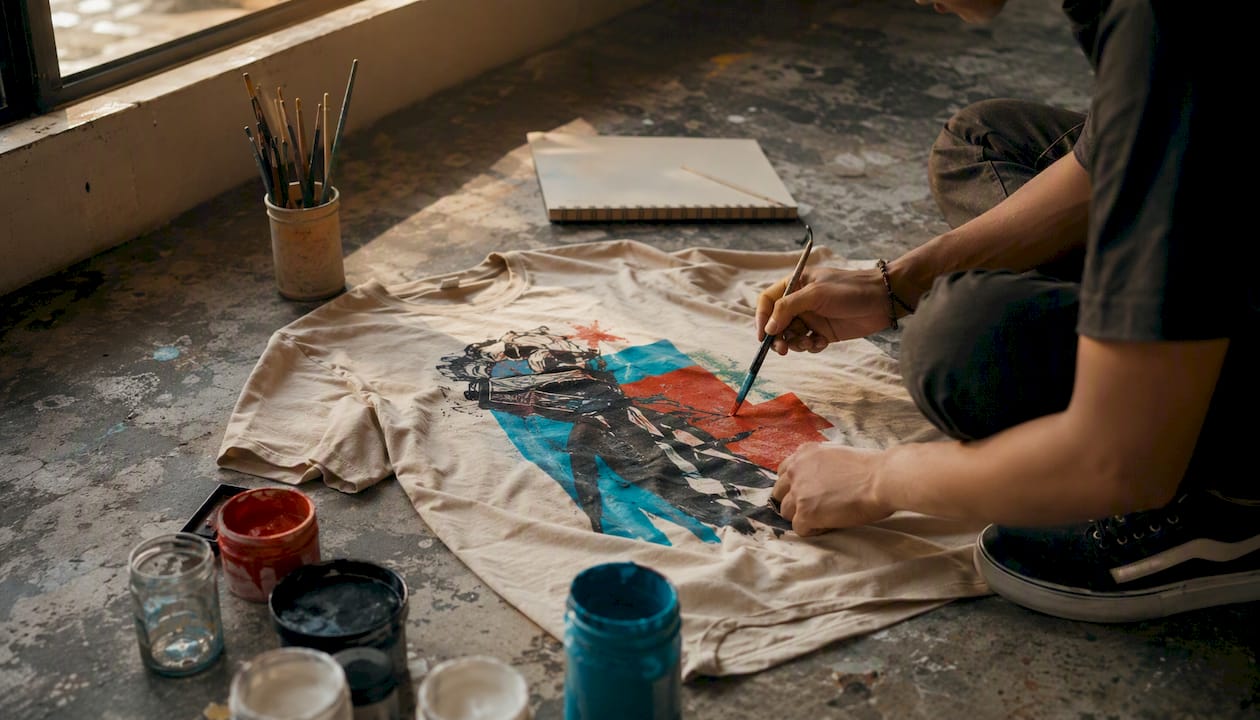
Pro Tip: Check the inside tag. Authentic creative labels almost always include an artist credit, a batch number, or a production note. A blank white tag with only a size and a generic country-of-origin is a sign the brand is buying off-the-shelf blanks and adding a screen print — nothing wrong with that, but it’s not the same as a brand with genuine creative provenance.
Where to find underrated streetwear brands in the U.S.
The three highest-yield discovery channels, in order of reliability: independent boutiques and regional retailers, creator communities on Instagram and TikTok, and curated drops platforms and community forums. Curated shops and boutique feeds consistently surface labels that never appear on mainstream retail feeds.
Practical discovery checklist:
- Follow 3–5 independent boutique accounts on Instagram that specialize in streetwear. Their restock posts are more reliable than following individual brand pages, because boutiques curate.
- Track drop calendars on platforms like Hypedrop or boutique-specific newsletters. Set calendar reminders, not just notification alerts.
- Join Discord servers tied to streetwear communities. The #pickups and #grails channels in active servers surface new labels faster than any algorithm.
- Search TikTok for “small brand haul” and “indie streetwear” — creator content in these tags tends to feature labels with under 10,000 followers, which is exactly the range you want.
- Check boutique restocks rather than brand pages directly. A boutique restock means a third party has already vetted the label.
Current trend coverage shows that boutique restocks and social creator posts are where new labels surface most consistently in 2026 — not brand-run paid ads.
On resale: if a label’s pieces are appearing on resale platforms at a markup within weeks of a drop, that’s scarcity, not hype. If the same pieces sit on resale for months at a discount, the brand manufactured demand artificially. The difference matters when you’re deciding whether to buy at retail or wait.
One quick warning: fake boutique accounts exist. Before buying from an account you found on Instagram, verify they have a real website with a physical address or documented history, a return policy, and reviews outside their own feed. The FTC’s online shopping guidance covers your rights if a purchase goes wrong.
How to evaluate an unknown streetwear brand before you buy
A step-by-step vetting checklist takes under five minutes and saves you from buying something that looks great in photos and disappoints in person.
| Criterion | What to look for | Red flags |
|---|---|---|
| Fabric content | Full fiber breakdown listed (e.g., combed cotton, fabric weight disclosed) | “Soft fabric” with no specifics |
| Construction | Reinforced seams, double-stitching on stress points | Single-stitch hems on a “premium” piece |
| Sizing transparency | Detailed size chart with measurements in inches | Only S/M/L/XL with no measurements |
| Returns policy | Clear window, process explained | “All sales final” on a first purchase |
| Customer reviews | Reviews on third-party platforms, not just the brand’s own site | Only 5-star reviews with no detail |
| Wash instructions | Listed on product page and inside tag | Missing entirely |
Product photos tell you more than brands intend. Look for flat-lay shots that show fabric texture, not just styled editorial images. A brand confident in its materials will show close-ups of the fabric, the tag, and the stitching. If every photo is a model shot with no product detail, that’s a gap worth questioning.
Pro Tip: Email or DM the brand before your first purchase and ask for the fabric weight in GSM and a photo of the inside tag. A real brand answers this in under 24 hours. A dropshipper or reseller usually doesn’t respond, or gives a vague answer.
What to expect to pay for underrated streetwear in the U.S.
Price bands for lesser-known labels follow a consistent pattern once you know what drives them. Here’s a practical breakdown by category:
- Entry band (tees: $25–$45, accessories: $15–$30): Screen-printed graphics on standard blanks, domestic or overseas production, limited but not exclusive runs. Accessible price points exist among lesser-known labels, without sacrificing design quality.
Shipping from indie labels typically involves a modest domestic fee, with some brands offering free shipping. International boutique shipping takes longer and costs more. Return policies at indie labels tend to be shorter than at major retailers; some limited-drop pieces are final sale. Check shipping and return rules before you buy, not after.
For limited drops, set up restock alerts through the brand’s email list or SMS program. If the brand offers Affirm or a similar interest-free payment plan, use it for mid-to-premium pieces — it keeps your budget flexible without adding cost.
Brief histories of underrated brands that shaped the underground
Three archetypes from streetwear history show how today’s hidden gems tend to develop.
The artist-run label usually starts as a side project: a graphic designer or illustrator prints a run of 50 tees for a local event, sells out in a weekend, and builds from there. The brand’s identity is inseparable from the founder’s artistic voice. These labels rarely advertise; they grow through word of mouth and boutique placement. Many of the most respected names in streetwear today started exactly this way.
The skate shop house brand emerged when regional skate shops started producing their own apparel to differentiate from the national brands they stocked. The designs reflected local culture — a city’s landmarks, its slang, its specific skate spots. These brands often stayed regional by choice, which is exactly what makes them worth seeking out.
The activist label has roots in protest culture and DIY printing. The graphic is the message, and the brand exists to amplify it. What’s changed in recent years is production quality: activist labels now compete on fabric and construction, not just message. Imuskop fits this lineage directly, combining message-driven design with materials and construction that hold up.
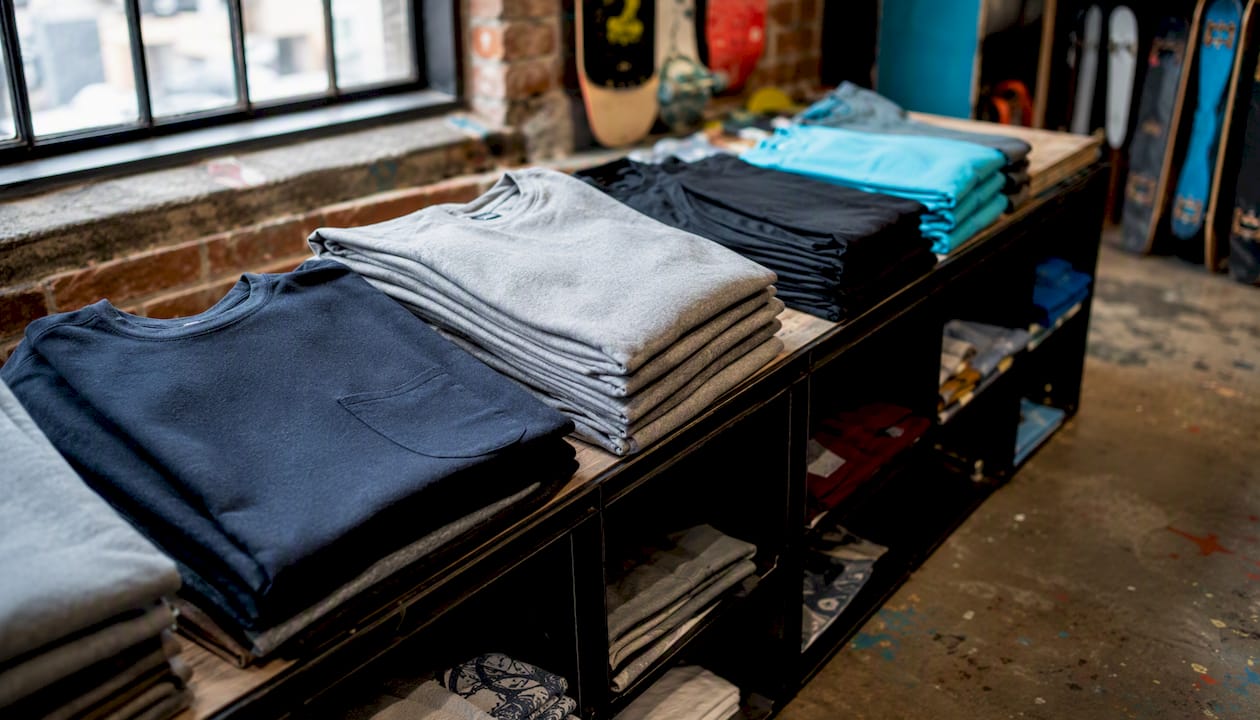
All three archetypes share a common thread: they started with a community, not a marketing strategy. That origin is usually visible in the product if you know what to look for.
Key Takeaways
The most reliable path to finding genuinely underrated streetwear is combining boutique discovery channels with a quick evaluation checklist before every purchase.
| Point | Details |
|---|---|
| Start with boutique feeds | Independent boutique restocks surface new labels faster and more reliably than brand pages or ads. |
| Use the five criteria | Design originality, limited runs, cultural rootedness, production transparency, and community momentum separate real finds from noise. |
| Check before you buy | Fabric content, size chart, returns policy, and third-party reviews take five minutes to verify and prevent most bad purchases. |
| Budget by band | Entry tees run $25–$45; mid hoodies $80–$130; premium outerwear $200–$400+. Free shipping and Affirm plans reduce friction at checkout. |
| Imuskop is the editor’s pick | Original artwork, quality materials, free shipping, and Affirm payment plans make Imuskop a strong starting point for underrated American streetwear. |
The case for going deeper than the algorithm
The conventional advice on finding underrated streetwear is to “follow the right accounts.” That’s not wrong, but it’s incomplete. Algorithms surface what’s already gaining traction — by the time a label is trending on your For You page, it’s already mid-discovery for most serious shoppers.
The real edge comes from moving one step upstream: following boutique buyers, not brand accounts. A boutique buyer’s job is to find labels before they break. Their restock posts are a direct window into what’s worth watching. Pair that with the evaluation checklist in this article, and you’re not just discovering brands earlier — you’re buying smarter.
Activist streetwear, specifically, tends to be undervalued relative to its design quality because the message overshadows the craft in most coverage. Imuskop is a good example of a brand where the two are genuinely equal. The graphic carries weight, and the shirt is worth wearing for the fabric alone.
Imuskop: original streetwear with no-friction checkout
Readers who want to skip the discovery process and go straight to a vetted pick: Imuskop is the direct answer. Original artwork across graphic tees, hoodies, accessories, and more — built around activism, pop culture, and urban subculture themes that hold up beyond a single season.
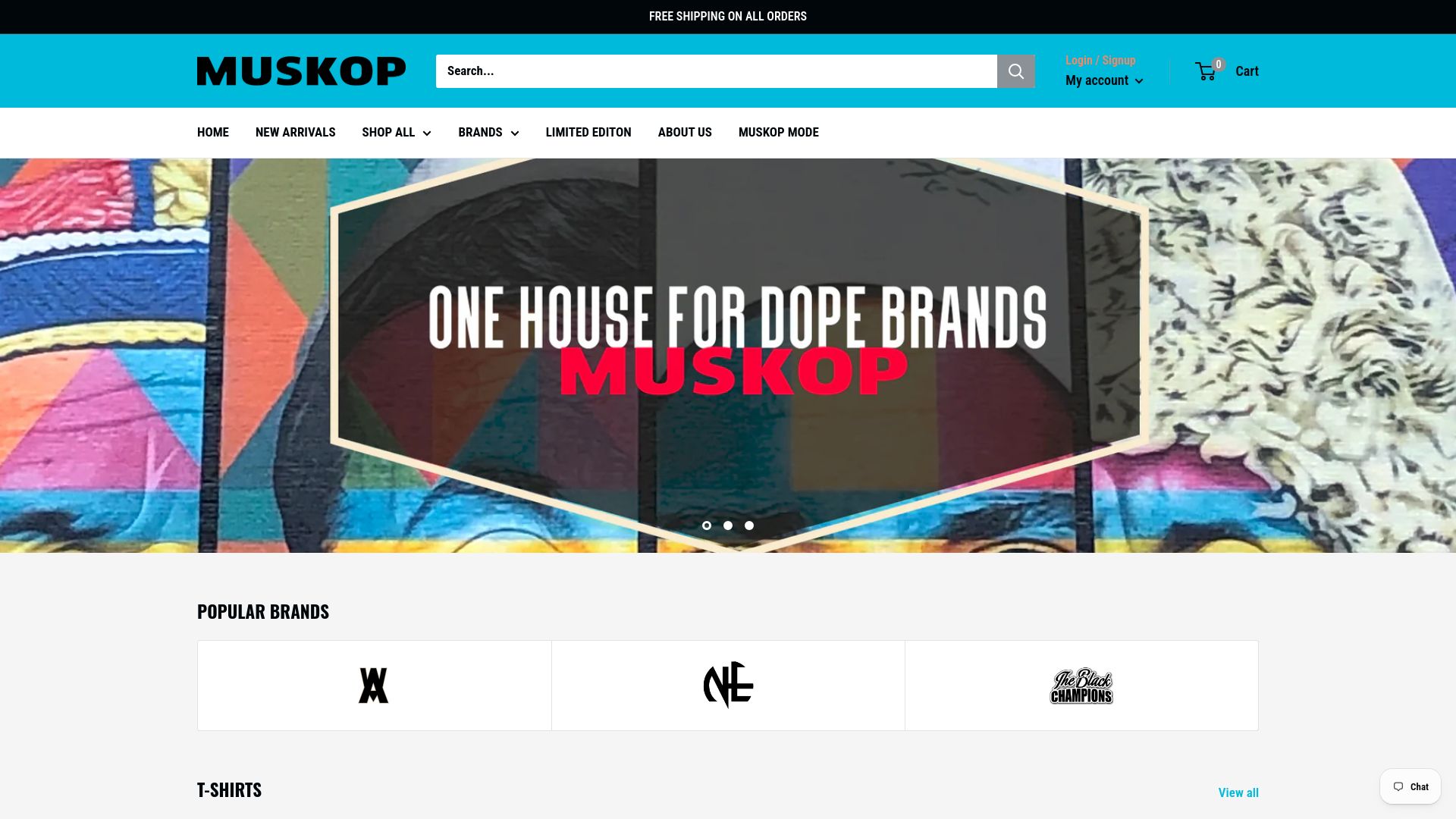
Free shipping on every order. Interest-free payment plans through Affirm. A size chart that actually tells you what you need to know. Browse the full Imuskop collection and check what’s currently available — the catalog updates regularly, and limited pieces move fast.
Useful sources and places to keep watching
The best way to stay current on underrated labels is to build a short, reliable watchlist rather than trying to monitor everything.
- Muskop — official site
- Affordable streetwear: top 10 (internal post)
- How to find the best online streetwear shops (internal post)
- Step-by-step guide to finding streetwear brands online (internal post)
- The rise of underground streetwear brands (internal post)
- Streetwear Trends 2026: What’s Dominating US Streets
- Why limited fashion holds value: scarcity, craft, and permanence
- Where to buy good streetwear: a guide to finding the perfect style (internal post)
Set up email alerts or RSS feeds for the sources you find most useful. Check boutique restock posts weekly rather than daily — the signal-to-noise ratio is better, and you’re less likely to impulse-buy something you haven’t evaluated properly.