

Treat the beanie as your outfit’s anchor: its shape and color should match the outfit’s proportions and visual weight, not fight them. A neutral cuffed beanie handles almost any hoodie or jacket combo. A slouchy fit softens baggy silhouettes and works better with puffers than with anything tailored.
TL;DR:
- Neutral cuffed beanies in black, gray, or cream are the safest choice for busy outfits or loud sneaker colors, while statement beanies complement minimal looks.
- A tight cuff or the right placement above the eyebrows enhances the beanie’s style, with size adjustments needed for thick hair to maintain shape.
- Slouchy beanies pair best with oversized puffer jackets or wide joggers, whereas cuffed shapes suit structured coats and bomber jackets.
- Acrylic beanies are ideal for everyday wear due to their durability and low maintenance, while merino and cashmere elevate cold-weather outfits.
- Keep accessories like sunglasses, chains, and footwear in similar metal finishes and color details to create cohesive streetwear looks around your beanie.
Table of Contents
- What Real Beanie Streetwear Style Actually Requires
- Beanie Types and the Mood Each One Sends
- How to Match a Beanie to Your Outfit
- 10 Streetwear Outfit Templates That Use a Beanie Right
- Materials, Weather, and Care: Getting the Fabric Right
- Five Beanie Mistakes That Quietly Wreck an Outfit
- Behind the Styling Advice: Muskop’s Editorial Approach
- Beanie Streetwear Style and the Accessories Around It
- Footwear That Actually Completes a Beanie Fit
- A Stylist’s Note on Building a Beanie Rotation
- Where Muskop Fits Into Your Beanie Rotation
- Sources
- FAQ
What Real Beanie Streetwear Style Actually Requires
Beanie streetwear style comes down to four decisions made in seconds: how tight to fold it, what color to pick, where it sits on your head, and whether it’s the loudest thing in the outfit or the quietest. Get those four right and almost any beanie works with almost any fit.
Start with anchor versus accent. When your outfit already carries graphics, a bold jacket, or a busy sneaker colorway, a neutral beanie in black, gray, or cream keeps things from turning into visual noise. When the rest of the fit is minimal, a beanie with texture, a logo, or a statement color becomes the one thing people notice, and that’s the whole point. Stylists consistently point to this rule as the fastest fix for an outfit that feels flat or feels overdone: treat the beanie as an anchor, not an afterthought.
Fold changes the message. A tight cuffed roll looks deliberate and clean, the kind of detail that reads as put-together even in a five-minute outfit. Push the crown back slightly and let it sit loose, and the same beanie reads relaxed, closer to skate culture than office-adjacent streetwear.
Placement matters more than most people realize. Pulling a beanie down to your eyebrows shortens your face and can look sloppy rather than cool. Set it about an inch above your eyebrows, and size up if you have thick hair so the fabric doesn’t stretch awkwardly across your head.
- Busy outfit, graphics, or loud sneakers: go neutral.
- Minimal outfit, solid colors, plain sneakers: go statement.
- Want a clean, considered look: cuff it tight.
- Want a relaxed, skate-leaning look: leave it unfolded or push it back.
Pro Tip: Match the beanie to one small detail in your outfit, like a hoodie drawstring or a sneaker accent color, instead of trying to match the whole jacket. Exact color matching almost always looks accidental rather than intentional.
Beanie Types and the Mood Each One Sends
Every beanie shape carries its own attitude, and picking the wrong one is usually why a fit feels off even when the rest of the outfit is solid.
- Cuffed or fisherman beanie: The rolled brim gives a short, clean profile that pairs naturally with collars, bombers, and structured coats without competing for space. This is the most versatile shape in any streetwear rotation.
- Slouchy beanie: Extra fabric at the crown adds volume, which is exactly what a puffer jacket or oversized hoodie needs to look balanced rather than top-heavy.
- Watch cap: A close, unribbed fit with almost no slouch. It reads minimal and slightly military, and works well under hood layers since it doesn’t add bulk.
- Bobble beanie: The pom-pom softens the whole look, pulling it toward casual or even prep-adjacent streetwear rather than hard skate or hip-hop aesthetics.
- Textured or teddy beanie: Fuzzy, high-pile knits look elevated even over a basic hoodie, and they photograph well against denim or leather.
The pairing logic is simple once you see it: cuffed and watch cap shapes suit structured jackets because their short profile doesn’t fight a collar or hood, while slouchy and bobble styles need volume elsewhere in the outfit to look intentional rather than sloppy, a pattern that holds up across most streetwear beanie guides. If you’ve got thick hair or a smaller head, size up a half size and lean toward slouchy or watch cap shapes. A tight cuffed fold on thick hair tends to stretch out the rib and lose its shape within a few wears.
How to Match a Beanie to Your Outfit
Proportion is the rule that fixes more outfits than color ever will. A slouchy beanie needs volume nearby, so pair it with puffer jackets, oversized hoodies, or wide joggers. A cuffed beanie has a tighter, shorter profile, which makes it the better partner for bombers, structured coats, and anything with a defined collar. Put a slouchy beanie on top of a slim wool coat and the whole outfit looks unbalanced, top-heavy in exactly the wrong way.
Color works best as a whisper, not a shout. Instead of buying a beanie to match your hoodie exactly, link it to a smaller detail: the drawstring on your jacket, the trim on your bag, or an accent color on your sneakers. This is one of the most repeated tips across streetwear styling guides, and it works because it looks like a choice rather than a coincidence. A gray beanie that echoes the sole of your sneakers reads as intentional. A gray beanie that tries to match a gray hoodie exactly just reads flat.
Texture decides how dressed up the outfit feels. Acrylic knits hold rib definition well and cost less, which makes them the workhorse fabric for everyday streetwear. Merino and cashmere feel noticeably softer and drape with a bit more weight, which can push a simple hoodie-and-joggers outfit toward something that reads more elevated without changing a single other piece. Save the cashmere for outfits where you actually want that lift. Save the acrylic for skate sessions, gym runs, or anything where you don’t want to think about the beanie at all.
Logos are a proportion decision as much as a branding one. A visible logo on the cuff works when the rest of the outfit is quiet, adding personality without clutter. Stack a logo beanie on top of a graphic hoodie and a branded jacket, though, and everything starts competing for attention. Pick one loud element per outfit. Let the beanie carry it or let the jacket carry it, not both.
- Slouchy shape: pair with puffers, oversized hoodies, wide joggers.
- Cuffed shape: pair with bombers, structured coats, collared jackets.
- Color: match a drawstring, trim, or sneaker accent, not the main garment.
- Texture: acrylic for everyday, merino or cashmere when you want the outfit to feel elevated.
- Logo: fine when the rest of the fit is quiet, risky when it’s already busy.
Pro Tip: If you’re not sure whether a fit is too busy, count the loud elements: graphic hoodie, logo jacket, bold sneaker, statement beanie. If you’ve hit three, drop the beanie down to something plain.
10 Streetwear Outfit Templates That Use a Beanie Right
These are copyable, not aspirational. Each one starts with a core outfit, explains why the beanie choice works, and gives you a fast swap for weather or a cleaner look.
-
Everyday hoodie stack. Oversized hoodie, straight joggers, chunky sneakers, neutral cuffed beanie. The cuffed shape keeps the head clean while the hoodie carries the volume. Swap to a slouchy beanie if you want a softer, less structured silhouette.
-
Bomber and fisherman combo. Bomber jacket, slim tee, tapered pants, black fisherman beanie. The short cuffed profile doesn’t compete with the bomber’s collar, which is exactly the pairing style guides consistently recommend. For colder days, add a scarf in the same neutral family.
-
Puffer and slouchy layer. Long puffer jacket, wide-leg pants, slouchy beanie in a matching neutral. The slouch balances the puffer’s bulk instead of getting swallowed by it. Drop the puffer for a quilted vest in warmer months and keep the same beanie.
-
Skate and grunge layer. Flannel over a graphic tee, loose denim, unfolded beanie pushed slightly back. Leaving the beanie unrolled reads more relaxed and more skate-adjacent than a tight cuff ever will. Swap the flannel for a hooded zip-up on colder days.
-
Minimalist monochrome. All-black or all-gray fit, plain tee, straight trousers, cuffed beanie in the exact same tone family. Minimal outfits are where a slightly textured beanie earns its keep, since there’s nothing else competing for attention.
-
Logo-forward statement. Plain hoodie, plain joggers, one loud logo beanie. This is the template where a visible brand mark on the cuff actually adds personality instead of clutter, because everything else stays quiet.
-
Textured winter layer. Wool overcoat, turtleneck, straight trousers, teddy or cashmere beanie. The soft, high-pile texture pushes the whole outfit toward something that photographs well against structured outerwear, a combination InStyle highlights often in cold-weather editorial spreads. Swap the overcoat for a shearling jacket for a slightly rougher edge.
-
Travel and commute fit. Zip-up track jacket, joggers, crossbody bag, watch cap. The close, low-bulk fit stays comfortable under a hood or against a headrest, which matters more than style points on a long commute.
-
Smart-casual mix. Chore coat, button-down, slim trousers, bobble beanie in a muted tone. The pom-pom softens what would otherwise read as too polished, keeping one foot in streetwear territory.
-
Monochrome accent play. Neutral base outfit head to toe, one colored beanie that echoes your sneaker accent exactly. This is the cleanest version of the small-detail color rule, and it photographs better than matching the beanie to your jacket ever does.
Beanies work in every one of these because they’ve become genuine year-round staples in streetwear rather than a strictly cold-weather accessory, so the shape and fabric you pick matter more than the calendar date. For more layered winter combinations, Muskop’s winter streetwear roundup has additional pairings worth borrowing.
Materials, Weather, and Care: Getting the Fabric Right
Fabric decides warmth, price, and how sharp your cuff looks after ten wears. Acrylic is the budget workhorse: it holds rib definition well, resists pilling less than natural fibers, and costs the least, making it the right call for everyday streetwear where you don’t want to babysit the beanie. Wool sits in the middle, warm and durable but occasionally itchy against bare skin. Merino wool solves the itch problem while staying warm, which is why it shows up in a lot of higher-end streetwear pieces. Cashmere is the softest and warmest option, and it’s also the one that shows wear fastest if you’re not careful with it. Cotton blends breathe better and suit warmer climates or transitional weather, though they offer the least warmth of the group.
Knit density affects more than comfort. A tighter, denser knit holds a cuffed fold cleanly and layers well under a hood. A looser, chunkier knit adds bulk fast, which is great for a slouchy look but can make a beanie feel oversized under a hoodie.
Quality shows up in how the knit recovers. A beanie that springs back to shape after you stretch it is built to last. One that stays stretched out loses its clean cuff within a few wears.
- Hand wash or use a gentle cycle in cold water, never hot.
- Lay flat to dry. A dryer will warp the shape and shrink wool or cashmere.
- Use a fabric shaver to remove pilling on acrylic and wool blends.
- Store folded flat, not hung, so the crown doesn’t stretch out of shape.
Five Beanie Mistakes That Quietly Wreck an Outfit
Most beanie mistakes are small and completely fixable in seconds.
- Wearing it too low. Pulling the beanie down to your eyebrows shortens your face and looks careless. Push it back about an inch, or size up if it feels tight.
- Matching colors too exactly. A beanie that matches your hoodie color perfectly reads as accidental. Match a smaller detail instead, like a drawstring or sneaker accent.
- Slouchy beanie with a slim coat. The extra volume fights a tailored silhouette. Swap to a cuffed or watch cap shape whenever your outerwear is structured.
- Ignoring hair volume. Thick hair under a snug cuffed beanie stretches the rib and ruins the shape. Size up, or switch to a slouchy fit that has room to spare.
- Stacking too many statement pieces. A logo beanie, graphic hoodie, and loud sneakers together compete for attention. Pick one loud piece and let everything else stay quiet.
Behind the Styling Advice: Muskop’s Editorial Approach
The outfit templates and rules in this guide come from editorial writer Robert, who covers streetwear trends and accessory styling for Muskop’s blog, including deeper dives into beanie fits and fashion-forward pairings.
Muskop offers graphic tees and streetwear pieces that lean into pop culture and activism, paired with straightforward buying terms. That accessibility shapes how this guide approaches beanies: practical rules you can apply with pieces you already own, not a pitch to buy a specific look. The outfit templates above reflect that same editorial instinct, prioritizing proportion and color logic over trend chasing, the same approach found in Muskop’s broader streetwear beanie style coverage.
Beanie Streetwear Style and the Accessories Around It
A beanie rarely works alone. Sunglasses, chains, and bag straps either support the beanie’s mood or clash with it, and the fix usually comes down to matching finish, not just color.
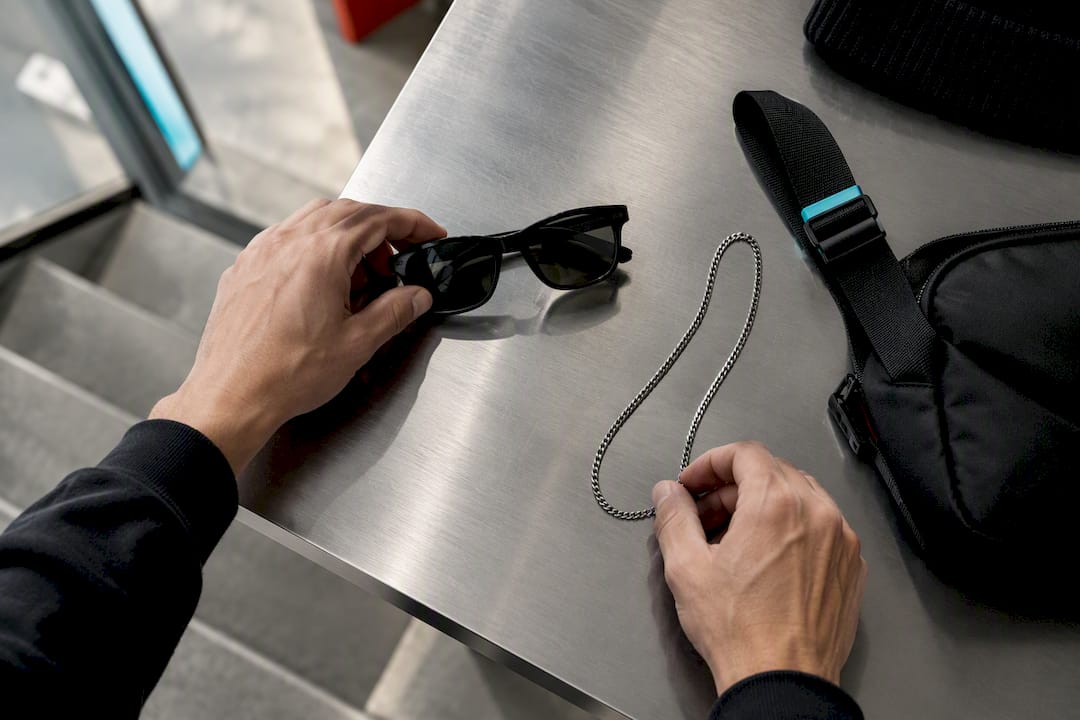
Sunglasses set the tone fastest. Slim, dark frames paired with a cuffed neutral beanie read clean and slightly minimal. Oversized or colored-lens frames paired with a slouchy beanie push the whole look toward a louder, more skate-influenced energy. The mistake most people make is picking sunglasses that fight the beanie’s finish, like pairing a rugged textured beanie with delicate metal-frame glasses that look better suited to a blazer.
Chains work best as a quiet accent rather than a second statement piece. If your beanie is already doing the loud work, a thin chain is enough. If the beanie is neutral and understated, a chunkier chain can step in as the outfit’s focal point instead. The same small-detail matching rule that applies to beanie color works here: a gold chain paired with gold eyelets on your sneakers reads intentional, while random mismatched metals read careless.
Bag straps and crossbody hardware follow the same logic. Matching your bag’s zipper pulls or buckle finish to your chain or sunglasses frame ties the whole look together without anyone consciously noticing why it works. Keep metal tones consistent across chain, buckle, and any visible hardware, and the accessories start reading as a set instead of a random collection of add ons.
Footwear That Actually Completes a Beanie Fit
Footwear either grounds a beanie outfit or makes it look unfinished, and the connection is more direct than most people expect. Chunky sneakers with heavy soles pair naturally with slouchy beanies and puffer jackets because both elements share the same oversized, relaxed energy. Put the same chunky sneaker under a cuffed beanie and a slim bomber, though, and the shoe suddenly feels disconnected from everything above it.
Low-profile sneakers, skate shoes, and minimal silhouettes pair best with cuffed and watch cap beanies. Both keep a tight, clean profile that doesn’t add unnecessary bulk anywhere in the outfit. This is the same proportion logic that governs beanie and jacket pairing, just applied from the ground up instead of the head down.
Boots deserve their own note. Chunky lug-sole boots work well with slouchy or bobble beanies, especially in cold-weather templates layered with a wool coat or puffer. Sleeker Chelsea-style boots lean cleaner and pair better with a cuffed beanie and a structured jacket, closer to the smart-casual mix template covered earlier.
Color-matching footwear to a beanie follows the same small-detail rule that governs the rest of the outfit: link the beanie to an accent stripe, sole color, or lace detail on the sneaker rather than trying to match the whole shoe. A cream beanie that echoes a cream midsole reads deliberate. A cream beanie next to an all-white sneaker with no shared detail just reads coincidental.
A Stylist’s Note on Building a Beanie Rotation
Three beanies cover almost every outfit you’ll actually wear: one neutral for busy fits, one textured or logo piece for when you want the beanie to be the statement, and one seasonal option built for real cold. That’s it. Anything beyond that starts solving problems you don’t have.
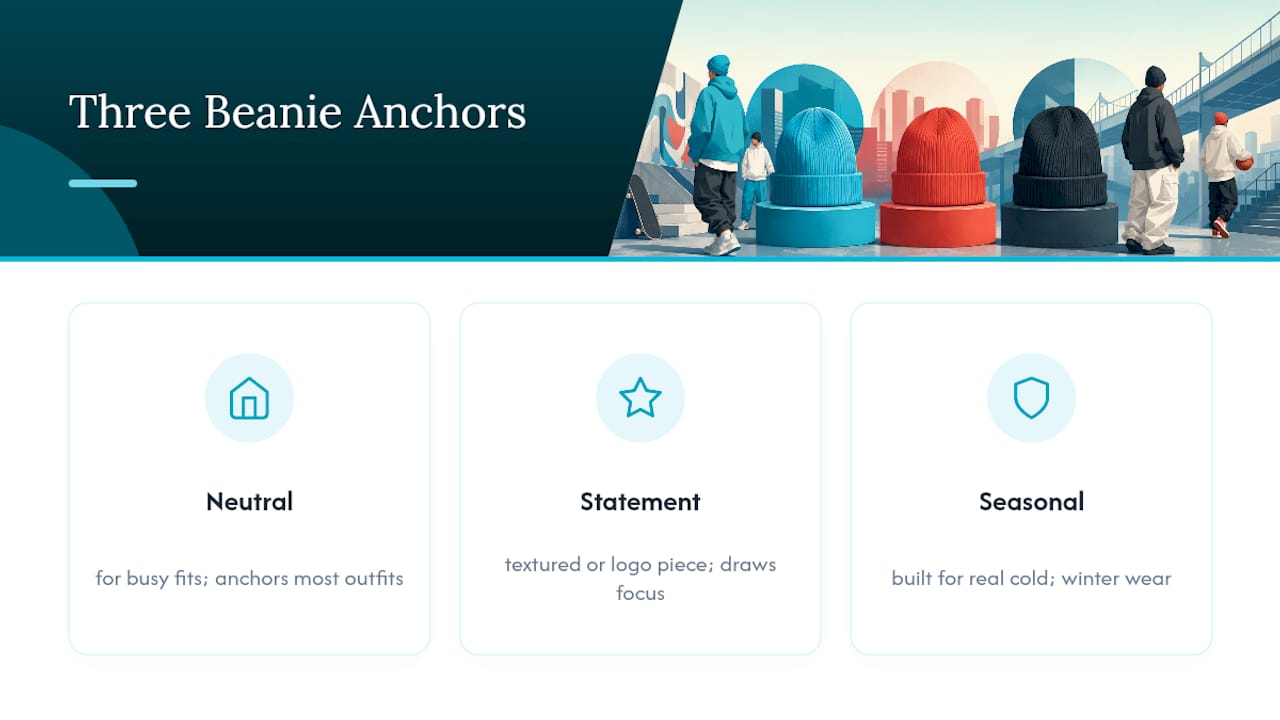
When you’re buying, check three things: does it hold a clean fold, does the knit spring back after you stretch it, and can you actually picture two outfits it works with before you check out. If you can’t answer that third question, skip it.
The one rule I’d push back on: don’t let a beanie sit at the bottom of a drawer just because it’s “too plain.” Plain is what makes an anchor piece useful. Save the loud, textured pieces for outfits that need them, and let the neutral cuffed beanie do the heavy lifting most days.
— Robert
Where Muskop Fits Into Your Beanie Rotation
Muskop is the option for readers who want streetwear pieces designed to pair well with a beanie rotation from the start, rather than hunting for accent colors after the fact. The brand’s accessories and apparel lean into graphic, pop-culture-driven designs with colorways built to work as those small matching details this guide keeps coming back to, whether that’s a drawstring, a trim color, or a sneaker accent.

The site offers free shipping and provides interest-free payment plans for some purchases. Browse the full apparel and accessories lineup to find pieces that slot straight into the templates above, and start with whichever beanie shape matches the outerwear you already reach for most.
Sources
- The Streetwear Beanie Guide: Fits, Materials, and Styling - The Good Men Project
- 9 Ways To Wear A Beanie Without Looking Like A Teenager
- 11 Beanie Outfits to Elevate Your Cold-Weather Staples - InStyle
- Beanie Outfit Ideas 2026: Streetwear Styling Guide
FAQ
Are Beanies Still In Style In 2026?
Yes. Beanies have moved past being a strictly cold-weather item and now function as a year-round streetwear staple, with styling driven more by silhouette and material than the season. Cuffed and slouchy shapes remain the two most common picks across current streetwear looks.
What Is The Best Streetwear Beanie?
There’s no single best beanie. The right choice depends on your outfit’s proportion and mood: a neutral cuffed beanie is the most versatile pick for everyday fits, while a textured or slouchy option works better with puffers and oversized layers. Muskop’s streetwear beanie guide breaks down options by fabric and fit if you’re shopping for a specific look.
What Is A Beanie Called In The USA?
In the United States, “beanie” is the standard term for a close-fitting knit cap, and it’s used interchangeably for cuffed, slouchy, and watch cap styles. Some regions also use “toboggan” as a local term for the same item, though “beanie” is by far the more common word nationally.
What Beanies Are In Style Now?
Cuffed fisherman beanies and slouchy oversized fits are the two dominant styles right now, with textured knits like teddy and ribbed cashmere gaining traction for elevated cold-weather looks. Logo-forward beanies remain popular for minimalist outfits where the beanie is meant to be the statement piece. Muskop covers current silhouette trends in more detail in its beanie trends roundup.
Recommended
- Fall Streetwear Outfits
- Unleash Your Style with Beanie Trends: A Comprehensive Guide to Carhartt, Supreme, and Black Beanies
- The Ultimate Guide to Rocking Streetwear with Beanies: Tips, Tricks, and Style Inspirations
- The Ultimate Guide to Choosing the Perfect Streetwear Beanie: Trends, Styles, and Brands
More questions people ask
Can anyone look good with a beanie?
Most people can, as long as the fit and placement match their head and hair. Set the beanie about an inch above your eyebrows rather than pulled down low, and size up if you have thick hair so the fabric doesn't stretch out and lose its shape.
How do you wear a beanie without it looking bad?
Match the fold to the mood you want: a tight cuffed roll reads clean and put-together, while pushing the crown back and leaving it loose reads relaxed and skate-leaning. Keep a neutral color like black, gray, or cream if the rest of your outfit already has graphics or loud sneakers, and save statement beanies for minimal fits.
How do you wear a beanie with long or thick hair?
Size up a half size if you have thick hair, since a tight cuffed fold can stretch out the rib and lose its shape after a few wears. Leaning toward a slouchy or watch cap shape also gives more room without forcing the fabric to stretch awkwardly.
What are different ways to wear a beanie?
You can cuff it tight for a clean, deliberate look that pairs with bombers and structured coats, or push it back and leave it unfolded for a relaxed, skate-leaning look that suits puffers and oversized hoodies. The fold and placement you choose changes the whole mood of the outfit.