

Most graphic tees sold in the United States fall into three common price bands: budget tees generally run around ten to twenty dollars, midrange tees usually fall between twenty and thirty-five dollars, and premium or licensed designs often start above thirty-five dollars and can exceed fifty. The gap comes down to fabric weight, print method, and whether the design carries brand or artist licensing. Shoppers who want original artwork without the highest markups have options like Muskop, which sells direct to consumers online.
TL;DR:
- Higher-quality graphic tees with heavier fabrics and complex prints typically start at $35 and can exceed $50, especially for limited editions or licensed collaborations.
- Promotions such as buy-one-get-one offers, seasonal clearance, and loyalty discounts can significantly reduce the effective price per shirt, sometimes doubling the savings.
- Manufacturing costs vary from $2.50 to $8.00 depending on fabric weight and decoration method, directly influencing retail prices across different brands and channels.
- Online direct-to-consumer brands often undercut boutique and retail store prices by skipping wholesale markup, offering original designs at lower prices.
- Limited-run designs and artist collaborations usually command a premium due to higher production costs and licensing fees, with resale value also impacting pricing.
Table of Contents
- Typical retail price ranges and common promotions
- What drives graphic tee pricing
- How to compare value across retailers
- Where to shop for graphic tees
- When graphic tee sales and markdowns typically happen
- Price differences across shopping channels
- How limited editions and collaborations affect price
- A practical take on paying for quality
- A quick note on shopping Muskop
- Primary sources to verify price and cost claims
- Sources
- FAQ
Typical retail price ranges and common promotions
Knowing where a tee sits on the price spectrum helps you spot a fair deal before you check out. Budget tees, often made from lighter cotton blends with a simple one-color screen print, cluster around $10 to $20 at mass retailers and fast-fashion chains. Midrange tees, usually 100% cotton at a heavier weight with a more detailed print or a small licensed logo, run $20 to $35. Premium tees, the kind carrying full licensed artwork, artist collaborations, or specialty fabric blends, often start at $35 and can exceed $50, especially for limited runs.

Marketplace and wholesale listings back up this spread. A bee-themed graphic tee listed on a wholesale platform shows how a single design with a cause-driven message can land solidly in the midrange bracket, while bulk basics undercut it and fully licensed prints exceed it.
Promotions shift these numbers further before you ever reach checkout:
- Buy-one-get-one deals, common at mall retailers during back-to-school and holiday windows, can cut the effective per-shirt price by close to half.
- Email or loyalty membership discounts, typically 10% to 20% off, apply on top of already-reduced sale racks.
- Seasonal clearance events, especially after major holidays, move older graphic designs into the budget band regardless of their original price point.
- Free-shipping thresholds change the real cost of an order, since a $22 shirt with $8 shipping is not actually cheaper than a $28 shirt with free delivery.
What drives graphic tee pricing
The sticker price on a graphic tee reflects a stack of costs that starts long before the shirt reaches a store shelf. A basic cotton t-shirt typically costs $2.50 to $6.00 to manufacture, while a printed or custom design runs $3.50 to $8.00 per unit at the factory level. Fabric weight, measured in GSM (grams per square meter), plays a direct role here: heavier cotton costs more to produce and tends to feel more durable on the body.
Decoration method is one of the clearest signals of where a tee sits on the price ladder. Screen printing costs roughly $0.50 to $2.00 per shirt for simple one or two-color designs, making it the cheapest way to put art on a shirt at scale. Embroidery costs more, about $1.50 to $4.00 per shirt, which is part of why embroidered logos read as a premium detail. Digital methods like DTG and DTF fall between the two depending on design complexity, a distinction covered in more detail in comparisons of screen print versus DTG and DTF versus DTG.

Order size changes per-unit cost dramatically. A shirt priced around $7.50 per unit at a run of 50 pieces can drop to roughly $4.50 per unit at 1,000 pieces for the same specification, which is why small independent labels often charge more per shirt than mass retailers selling the same blank.
Beyond the factory floor, retail prices absorb several more layers:
- Licensing fees for pop culture, sports, or artist collaborations add a flat cost per unit that scales with the design’s popularity.
- Brand markup covers marketing, warehousing, and store overhead, which is why identical blanks can carry very different price tags.
- Shipping, returns processing, and payment plan financing (like Affirm-style pay-in-4 options) are usually built into the final price rather than charged separately.
How to compare value across retailers
A quick checklist turns cost knowledge into a faster buying decision. Before comparing two listings side by side, run through these questions on each product page:
- What is the fabric and GSM? Heavier cotton, generally above 180 GSM, tends to hold shape and color longer.
- What print method is used? Screen printing suits bold simple graphics, while DTG or DTF suits complex, multicolor art, as explained in this t-shirt quality guide.
- Where is it manufactured? Country of origin can hint at labor and material standards, though it is not a guarantee of quality alone.
- What does the care label say? Shirts requiring cold wash and hang dry, detailed in guidance on how to wash graphic tees, often use prints or fabrics that degrade faster under harsh laundering.
- What is the return policy? A retailer with a generous return window signals more confidence in fit and print durability.
To find the real cost, add shipping and sales tax to the sticker price, then subtract any discount code or loyalty credit you would actually use. That final number, not the listed price, is what you should compare across retailers.
Paying more tends to make sense for licensed art, limited editions, or heavier fabric you plan to wear for years. It usually does not make sense for a plain graphic you will wear a season or two, where a budget tee does the same job.
Pro Tip: On large marketplaces, always check the exact variant, color, and seller before comparing prices, since the same listing photo can hide different fabric weights or print methods at different price points.
Where to shop for graphic tees
Retailer type shapes both price and what you are actually paying for. Fast-fashion chains keep prices low through volume and lighter fabrics, which suits shirts you expect to replace often. Mass retailers sit in a similar range but sometimes carry licensed characters or sports logos that push a specific style above the budget band. Indie brands and artist marketplaces, including labels like Wattz Good, charge more per shirt because small production runs and artist royalties raise the per-unit cost, but they offer designs you will not find at a chain store.
Marketplace listings deserve extra scrutiny since the same design can appear at several price points depending on seller, size, and color combination. A few things worth checking before you buy:
- Confirm the exact color and size variant match the price you are viewing, not a different combination on the same listing.
- Look for real product photos rather than mockups, since printed placement and color can shift between the two.
- Compare the seller’s return window against the retailer’s stated policy, since third-party sellers sometimes offer shorter terms.
Muskop fits into the indie and artist-driven category, focusing on original pop culture and activism-themed graphics and offering various purchasing options for buyers who want to spread out the cost.
When graphic tee sales and markdowns typically happen
Retail markdown cycles follow a fairly predictable calendar. Back-to-school season in August and early September brings the first wave of discounts on graphic basics as retailers clear summer stock. Black Friday and Cyber Monday in late November remain the deepest markdown window of the year across nearly every retail channel, often combining site-wide percentage discounts with bundle deals. Post-holiday clearance in January pushes remaining seasonal and licensed designs into the budget band as stores reset inventory for spring.
Independent and artist-driven brands tend to run promotions less frequently, since limited production runs leave less room for markdowns without cutting into already tight margins. If you are shopping a specific design from a small label, waiting for a sale may mean waiting for a restock rather than a discount.
Price differences across shopping channels
Where you buy a graphic tee changes the price as much as what the tee is made of. Fast-fashion and mass retailers keep prices in the budget-to-low-midrange band by relying on bulk manufacturing and simple print methods. Department stores and mall specialty shops usually price similar shirts higher, partly for the retail overhead and partly because they carry more licensed merchandise.
Boutiques and independent brick-and-mortar shops sit at the top of the range, since lower sales volume means each shirt has to carry more of the store’s fixed costs. Direct-to-consumer online brands can undercut boutique pricing while still offering original design work, because they skip the wholesale markup that physical retail requires. This channel difference is one reason two visually similar graphic tees, one from a department store and one from an online-only label, can carry a $15 to $20 price gap for comparable fabric quality.
How limited editions and collaborations affect price
Limited-run designs and brand collaborations consistently command a premium over standard graphic tees. Part of this comes from the manufacturing side: small batch sizes push per-unit decoration and production costs toward the higher end of the manufacturing cost range, since there are fewer units to spread fixed costs across. Part of it comes from licensing, as a collaboration with an artist, franchise, or public figure adds a fee that a mass-produced generic design never carries.
Scarcity itself adds to the price once a design sells out and resells on the secondary market, though that resale premium reflects demand rather than any change in production cost. For shoppers, the practical takeaway is that a collaboration tee priced well above the standard midrange is not necessarily overpriced. It is paying for a smaller run and a licensing fee baked into every unit, which is different from a standard design marked up simply because of the brand name on the tag.
A practical take on paying for quality
Graphic tees are one of the easiest places to overspend on a logo and underspend on the shirt underneath it. My take: pay up for pieces you will wear on rotation for years, where heavier cotton and a durable print method actually matter, and stay budget-conscious on anything you expect to be a passing favorite. If a listing looks too cheap for the print method it claims, check the return policy and order one shirt before committing to a bigger purchase.
— Robert
A quick note on shopping Muskop
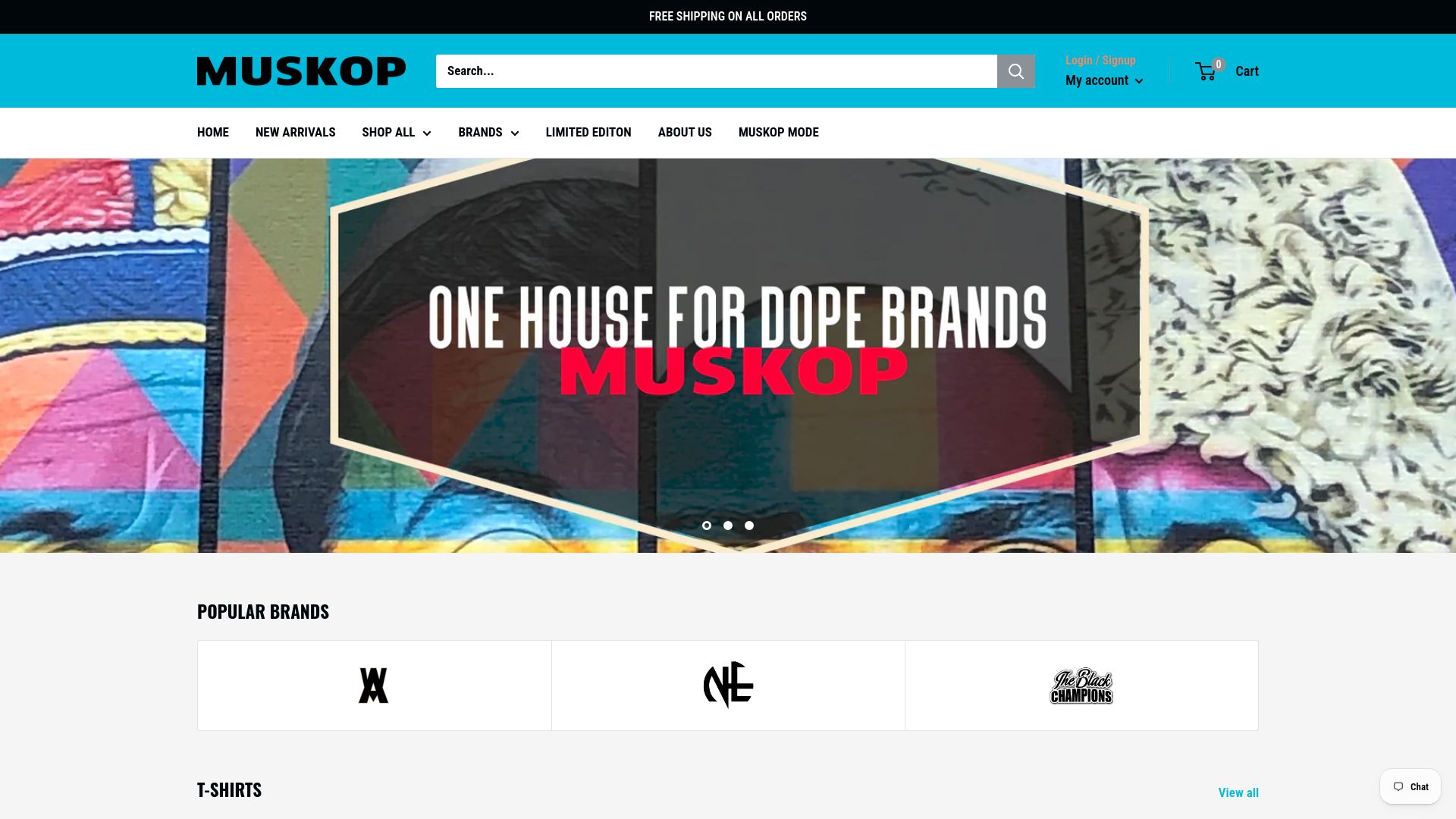
If you want original graphic tees built around pop culture and activism themes rather than mass-market basics, Muskop’s t-shirt lineup is worth a look. Every order ships free, and interest-free payment plans make it easier to spread out the cost of a purchase.
Primary sources to verify price and cost claims
- The manufacturing cost guide breaks down blank shirt and decoration cost ranges by method and order size.
- A wholesale product listing illustrates a real midrange retail price point for a cause-themed design.
- Google’s privacy policy is a useful reference when reviewing payment plan and checkout terms before buying online.
Sources
- How Much Does It Cost to Make a Shirt? (2026 Price Guide)
- Support Local Honey Bee Graphic Tee, Save the Bees
- Policies
FAQ
What is the average price of a graphic tee?
Most graphic tees in the U.S. fall between $20 and $35 for midrange quality, with budget options starting around $10 and premium or licensed designs going above $35. The exact price depends on fabric weight, print method, and whether the design carries licensing fees.
Why are graphic tees so expensive now?
Higher prices usually trace back to decoration method and licensing rather than the blank shirt itself, since embroidery and complex prints cost more per unit than simple screen printing. Small production runs also raise per-unit costs, which is common among independent and collaboration-driven brands.
How much are graphic tees at Walmart?
Mass retailers like Walmart typically price graphic tees in the budget range, generally under $20, reflecting bulk manufacturing and simpler print methods. Licensed character or franchise designs at the same retailer can push toward the higher end of that range.
How much should a tee shirt cost?
A fair price depends on what you’re buying: a basic cotton tee with simple screen printing reasonably costs $10 to $20, while a heavier fabric with detailed printing or licensed art justifies the midrange band up to around $35 or more. Paying more only makes sense when the fabric weight, print method, or design exclusivity actually matches the higher price.
Recommended
- Graphic Tee Outfits
- 10 Must-Have Sneaker Inspired Graphic Tees for Sneakerheads
- Anime T-Shirts Guide
- Graphic Tee Fit
More questions people ask
What's a good price for a graphic tee?
A fair price depends on what you're getting. Budget tees with a simple one-color print run about ten to twenty dollars, midrange cotton tees with a more detailed print land between twenty and thirty-five dollars, and premium tees with full licensed artwork or heavier fabric often start above thirty-five dollars. Graphic tees at IMUSKOP run roughly thirty to one hundred dollars, with most around forty, for original artwork.
Is $50 for a t-shirt expensive?
Not necessarily. Fifty dollars sits at the top of the premium band, which usually means heavier fabric, a more complex print method, or licensed or limited-run artwork rather than a basic blank shirt. Whether it's worth it comes down to fabric weight, print quality, and whether the design is something you can't find elsewhere.
What are graphic tees vintage?
Vintage graphic tees generally refer to older designs, often reprints or original pieces featuring retro artwork, pop culture references, or styles from past decades rather than current trends. They tend to carry a premium similar to limited editions because of their original artwork and smaller production runs.
What makes graphic tees for men different from women's or kids' styles?
The main differences are usually fit and sizing rather than price, since the same factors (fabric weight, print method, and whether the design is licensed) drive cost across all categories. IMUSKOP's graphic tees and other streetwear pieces are available across its collections, including womens streetwear.