

A high-quality T-shirt comes down to three checkable facts: fiber type, fabric weight, and construction. Look for long-staple cotton like Supima or Pima, combed ring-spun yarn, a fabric weight in the 180 to 200 GSM range for retail wear, and clean double-needle stitching at the hems and collar. Anything vaguer than that on a product page is a guess dressed up as a spec sheet.
Here’s the fast version. GSM (grams per square meter) is the single most objective number you’ll find on a listing for predicting how a shirt feels and holds up. “Combed ring-spun cotton” on the label means the yarn has been processed to remove short fibers, producing a smoother, stronger fabric than cheaper open-end cotton. A recognized certification, like GOTS or OEKO-TEX, backs up an “organic” or “non-toxic” claim instead of just asserting it.
Before you buy, run this 10-second check:
- Does the listing name the fiber and percentage (not just “premium cotton”)?
- Is a GSM or oz./yd² figure listed anywhere in the specs?
- Do the photos show stitching detail at the collar, sleeve, or hem, not just a lifestyle shot?
Key Takeaways
A high-quality T-shirt is verifiable through three measurable facts: fiber type, GSM weight, and visible stitch construction, not through marketing language on the tag.
| Point | Details |
|---|---|
| Check GSM first | Look for 180 to 200 GSM on retail tees; anything below 150 GSM without context is likely lightweight or low-durability. |
| Demand specific fiber claims | “Combed ring-spun cotton” or a named percentage beats vague phrases like “premium blend” every time. |
| Zoom into construction photos | Double-needle hems, tidy shoulder seams, and even stitching separate durable tees from disposable ones. |
| Match care to fabric quality | Cold wash, low heat, and skipping bleach extend a quality tee’s life well past one to two years. |
| Verify certifications, don’t assume them | GOTS, OEKO-TEX, and Supima each guarantee something different; check for a license number, not just a logo. |
| Imuskop sources to this standard | Imuskop builds its graphic tees on combed ring-spun cotton and reinforced construction matching this guide’s markers. |
Table of Contents
- T Shirt Quality Guide: The Seven Markers That Actually Matter
- Cotton Varieties, Blends, and When to Choose Each
- What Stitching and Seams Reveal About Quality
- How to Judge Fit and Sizing Before You Buy
- Step-by-Step: Evaluating a T-Shirt Online Before You Buy
- Warning Signs of a Low-Quality T-Shirt
- How Long a Quality T-Shirt Should Last and How to Care for It
- What GOTS, OEKO-TEX, and Supima Certifications Actually Guarantee
- Simple Tests You Can Run In Store or at Home
- What T-Shirts Actually Cost in the US Market
- What We Look for When Sourcing Every Tee
- Find Tees Built Around These Exact Standards
- Frequently Asked Questions
- Sources
T Shirt Quality Guide: The Seven Markers That Actually Matter
Most shoppers judge a T-shirt by how it looks on a model. That’s backwards. The shirt’s quality is decided before it ever gets photographed, in seven measurable choices a brand makes during sourcing and manufacturing. Learn these seven and you can size up a listing faster than the customer service rep who wrote it.
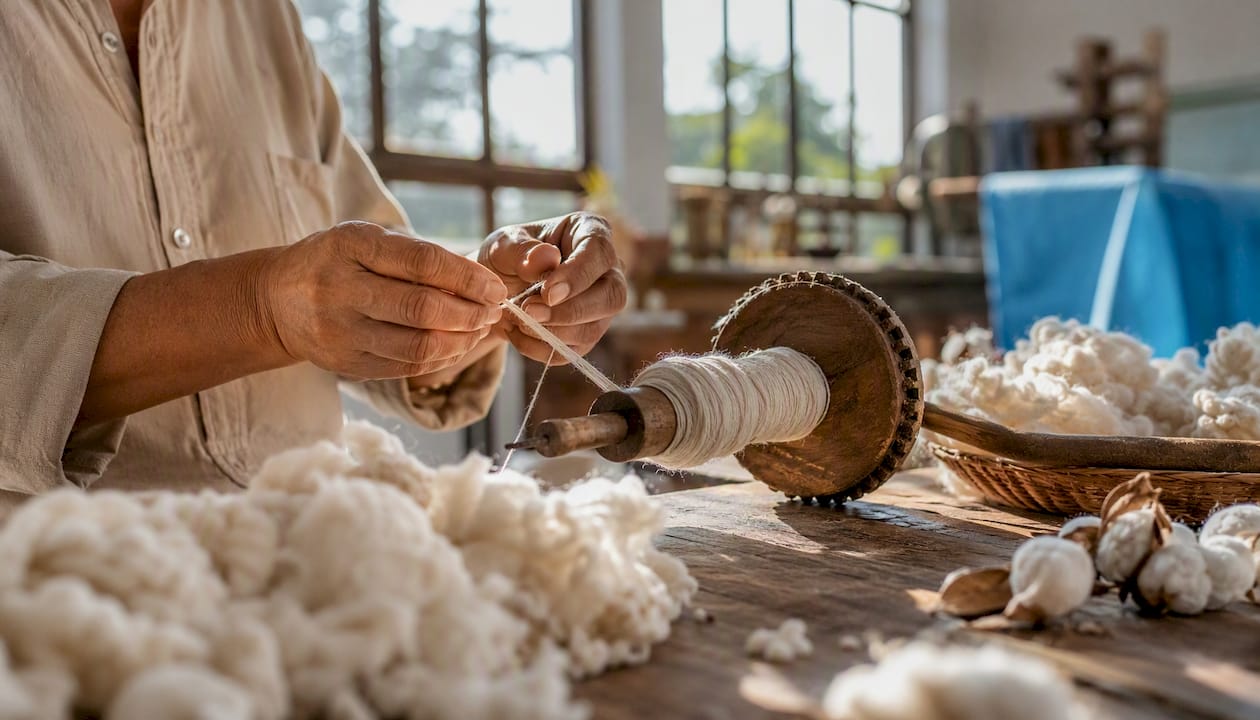
1. Fiber type. This is the raw material: cotton, polyester, or a blend, and within cotton, whether it’s a standard short-staple variety or a premium long-staple type like Supima or Pima. Long-staple fibers are longer and finer, which lets spinners twist them into stronger, smoother yarn that resists pilling and holds color better over repeated washes.
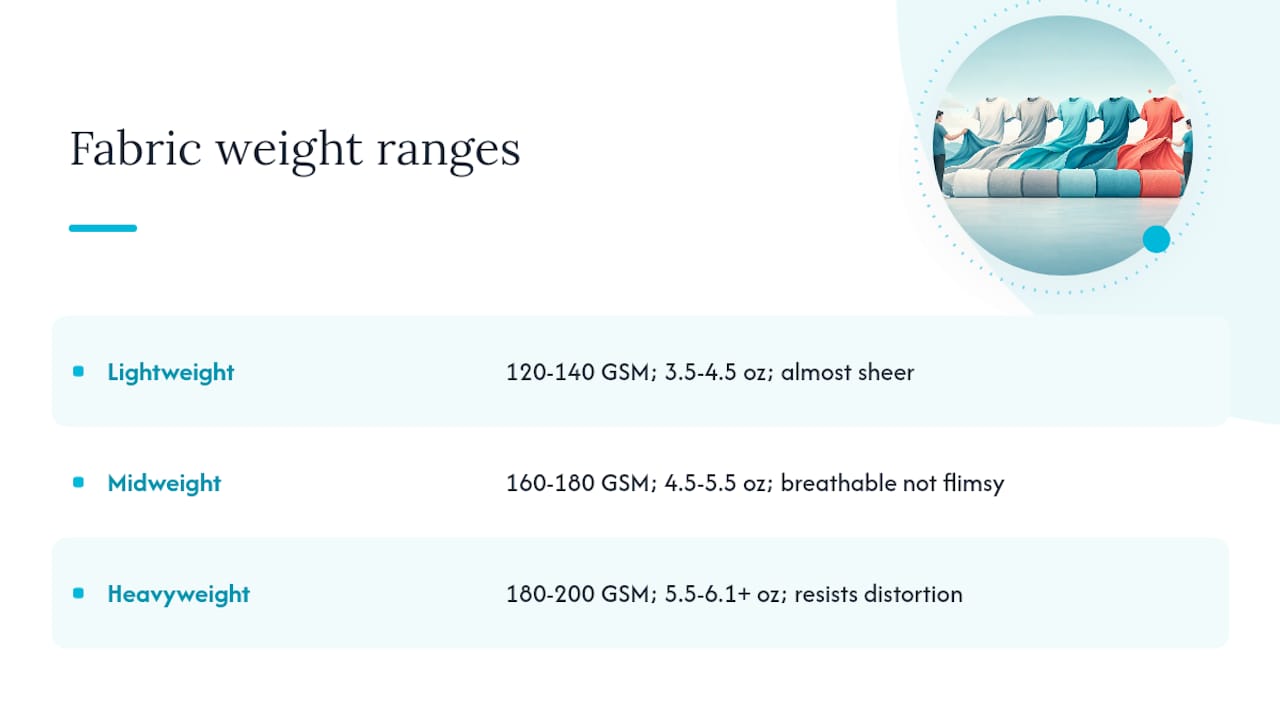
2. Fabric weight (GSM or oz./yd²). This is the number that tells you the most in the least space. A shirt around 120 to 140 GSM is very lightweight, almost sheer under bright light. The 160 to 180 GSM range is the everyday sweet spot, breathable but not flimsy. Above 180 GSM, you’re into structured, substantial territory, and many premium retail tees land at 180 to 200 GSM specifically because that weight resists distortion in the wash and still drapes well. In ounces, that maps roughly to 3.5 to 4.5 oz for lightweight, 4.5 to 5.5 oz for midweight, and 5.5 to 6.1+ oz for heavyweight.
3. Yarn construction: ring-spun vs. combed vs. open-end. Ring-spinning twists and thins cotton fibers into a fine, strong yarn. Combing adds a step before spinning that removes short fibers and impurities entirely, which is why “combed ring-spun” is the gold-standard phrase to look for. Open-end yarn skips both refinements. It’s cheaper to produce and noticeably coarser, and it’s what you’re usually getting when a $6 tee feels thin and scratchy out of the bag.
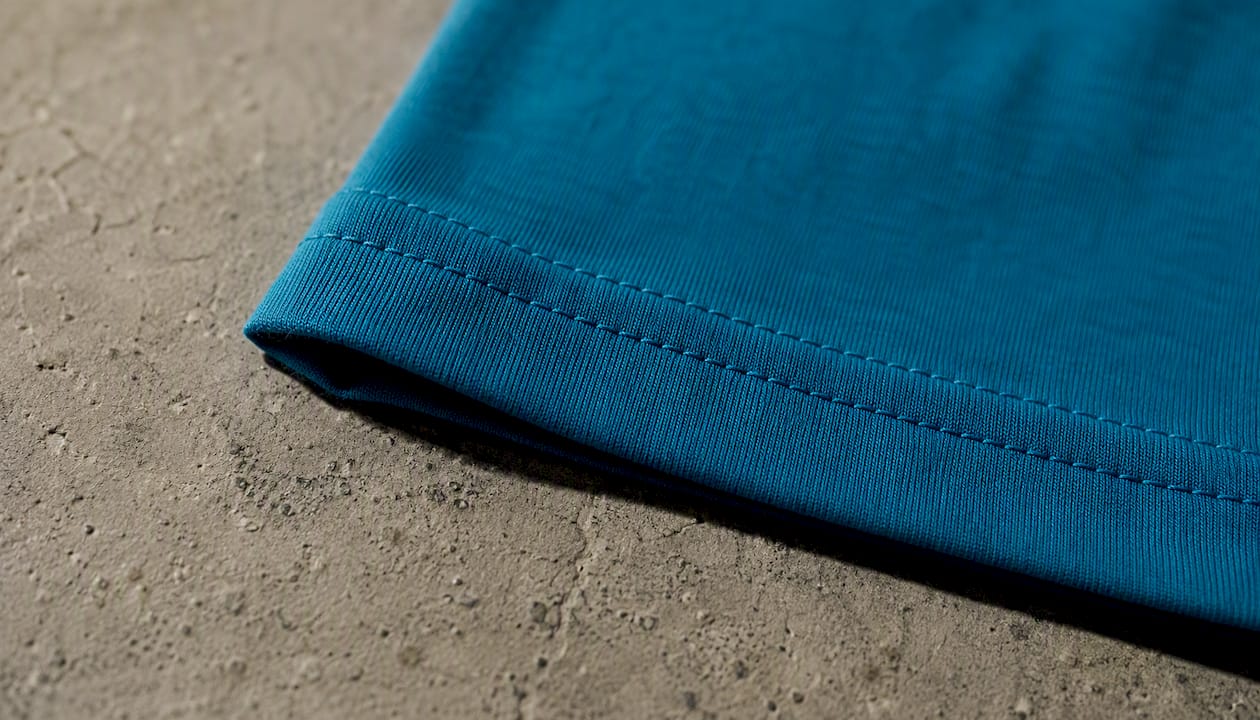
4. Stitch and seam quality. Stitch density (how many stitches per inch) and stitch type determine whether a seam survives years of washing or unravels after six weeks. Double-needle hems, visible as two parallel rows of stitching at the sleeve and bottom hem, distribute stress across two lines of thread instead of one.
5. Collar construction. A ribbed collar with good stretch and recovery holds its shape wash after wash. A collar that looks loose or wavy in a photo, especially against a flat lay, usually stays that way in real life. This is one of the fastest tells for cheap vs. quality construction, and one of the most overlooked by first-time online shoppers.
6. Dyeing and finishing. Garment-dyed shirts (dyed after the garment is fully sewn, not before) tend to have more even, saturated color and a softer initial hand feel. Colorfastness, whether the dye bleeds or fades, matters just as much and is harder to verify before purchase, which is why reviews mentioning “faded after a few washes” are worth reading closely.
7. Fit and cut. The best fabric in the world still disappoints if the cut doesn’t match your body type or the brand’s stated fit runs small or large compared to its own chart.
Statistic Callout: Higher “singles” numbers, the industry term for how fine a cotton yarn is spun, in the 30s to 40s range produce noticeably softer, smoother fabric. It’s a spec you’ll rarely see advertised, but it’s often listed in the fine print for premium lines.
Pro Tip: Search a product page for the exact phrase “combed ring-spun” plus a GSM figure between 180 and 200. If both appear together, you’re almost certainly looking at a retail-quality tee. If neither appears, that absence is itself the answer.
Cotton Varieties, Blends, and When to Choose Each
Not every fiber choice serves the same purpose, and picking the right one depends on what you actually plan to do with the shirt.
Supima and Pima cotton are extra-long-staple varieties grown primarily in the American Southwest. The longer fiber length means less breakage during spinning, which translates into stronger, smoother, more durable yarn with better color retention than standard upland cotton. If you’ve ever wondered why one white tee stays bright after a year and another goes gray after ten washes, staple length is usually the reason.
Combed cotton has been through an extra manufacturing step that strips out short fibers and debris before spinning, leaving a cleaner, more uniform yarn. Ring-spun cotton describes how that yarn is twisted, a process that produces finer, stronger strands than the cheaper open-end method. The two terms often appear together (“combed ring-spun”) because they compound: combing improves the raw material, ring-spinning improves how it’s twisted.
Blends enter the picture when a brand wants specific performance traits cotton alone doesn’t deliver. A 50/50 cotton-poly blend resists shrinking and wrinkling better than 100% cotton, at the cost of some breathability. Tri-blends (cotton, polyester, and rayon) create that famously soft, broken-in feel and a vintage drape right out of the package, though they run lighter and require adjusted printing techniques, and their wear patterns differ from pure cotton over time.
Fabric choice also determines print quality if you care about graphics holding up. 100% combed ring-spun cotton at 180 to 200 GSM is generally the best canvas for direct-to-garment printing and vivid color reproduction, while polyester needs sublimation printing instead of standard methods. That’s one reason ethical streetwear brands that print original artwork tend to default to combed ring-spun cotton as their base fabric.
A tee that lists “Supima cotton” without a country-of-origin or membership reference is making a marketing claim, not a verifiable one. Supima is a licensed term tied to U.S.-grown extra-long-staple cotton, and legitimate use of the name should trace back to that supply chain.
For quick reference, summer retail tees generally sit at 120 to 150 GSM, everyday wear tees at 150 to 190 GSM, and heavyweight work or streetwear tees at 190 to 220+ GSM. If you’re shopping specifically for the heavier end of that range, it’s worth reading a dedicated breakdown of best heavyweight T-shirts before you commit.
What Stitching and Seams Reveal About Quality
Zoom in before you buy. Product photos usually show more than sellers realize, and the collar, sleeve hem, and shoulder seam are the three spots that tell the truth about construction.
Here’s what to look for in those photos or in person:
- Stitch density and evenness. Tight, uniform stitches with consistent spacing indicate a well-calibrated sewing machine and a manufacturer that cares about the detail. Loose, uneven, or skipped stitches are a red flag regardless of how nice the fabric feels.
- Double-needle hems. Two parallel rows of stitching at the sleeve and bottom hem spread stress across more thread and resist unraveling far longer than a single-needle hem.
- Shoulder seam alignment. On a well-made tee, the shoulder seam sits right at the edge of your shoulder, not sliding down your arm or bunching up toward your neck. Misaligned shoulder seams in a flat-lay photo usually mean an inconsistent cut.
- Bartacks at stress points. Small reinforced stitches at the base of the collar or the ends of pocket openings prevent the fabric from tearing at points that take the most pull.
- Chain stitch vs. safety stitch. A chain stitch has more stretch but can unravel completely if one thread snaps; a safety stitch (often visible as a slightly denser double row) resists that kind of runaway failure.
When you’re evaluating photos rather than the shirt itself, run through this order:
- Zoom into the inside of the collar for loose threads or uneven ribbing.
- Check the sleeve hem for twisting, a sign the fabric was stretched during sewing.
- Look at the shoulder seam for straight, symmetrical placement on both sides.
- Scan for any skipped stitches, visible gaps in an otherwise continuous line.
Twisting at the side seam, in particular, is a defect a lot of buyers miss. It happens when the fabric tube is cut slightly off-grain, and it means the shirt will visibly spiral around your torso after a wash or two, even if the stitching itself looks clean.
How to Judge Fit and Sizing Before You Buy
Size charts only help if you know how to read them against your own body, not just against the label on your closet shelf.
Focus on three measurements: chest width (taken flat, across the shirt, doubled for full circumference), body length (collar to hem), and sleeve length. A half-inch to one-inch tolerance between what’s listed and what you measure on a favorite tee is normal manufacturing variance, not a red flag.
Fit cues worth prioritizing:
- Shoulder seams that sit at the edge of your shoulder, not partway down your arm.
- Sleeve circumference with enough room to move without ballooning.
- A body length that clears your waistband without riding up when you raise your arms.
To compare listings quickly:
- Lay a well-fitting tee flat and measure chest, length, and sleeve.
- Pull up the size chart for the shirt you’re considering and match those three numbers.
- Read a few verified reviews specifically for mentions of “runs small” or “runs large.”
Pro Tip: Sizing is not standardized across brands, so a “Large” from one company can match a “Medium” from another. Trust the shirt’s actual measurements in inches over the size label every time, especially for drop-shoulder or oversized cuts, which size very differently than a standard fit.
Step-by-Step: Evaluating a T-Shirt Online Before You Buy
Shopping for a T-shirt on a screen means you’re working with less information than someone holding the fabric in a store, so the process has to be more deliberate. Here’s a repeatable sequence.
- Read the fiber content first. Look for a specific percentage breakdown (100% cotton, 60/40 cotton-poly, etc.), not a vague phrase like “premium blend.”
- Check for a GSM or ounce figure. If it’s missing from the main description, check the size chart or specs tab. Reputable manufacturers list this.
- Inspect every available photo for stitching. Zoom into collar, sleeve, and hem shots specifically, not just the front graphic.
- Read verified reviews for durability language. Search or scan for words like “shrunk,” “twisted,” “faded,” or “held up great after a year.”
- Confirm the return policy and care instructions. A brand confident in its product usually states washing instructions clearly and offers a real return window.
Once you’ve run through those five steps, sort what you found into a simple decision:
- Buy if the listing hits three or more of the core markers: named fiber percentage, GSM figure, visible stitching detail, and positive durability reviews.
- Ask for details if key information like GSM or close-up photos is missing but everything else looks solid, a quick message to customer service often fills the gap.
- Pass if the fiber claim is vague, there’s no weight information anywhere, and the only images are lifestyle shots with no construction detail.
Save that checklist. It works whether you’re comparing five listings or fifty.
Warning Signs of a Low-Quality T-Shirt
Some listings tell you they’re low quality before you ever touch the fabric, if you know what to read for.
Watch for these on the product page:
- Vague fiber language like “premium blend” or “soft cotton feel” with no percentages attached.
- No GSM, oz./yd², or weight description anywhere in the specs.
- Only lifestyle or model photos, with zero close-ups of stitching, seams, or the inside collar.
- A price that seems too low for a fabric claimed to be premium, long-staple, or organic. Genuine long-staple cotton and certified organic processing both add real cost.
And on the garment itself, if you’re evaluating in person or from a return:
- Single-needle hems on sleeves or the bottom hem instead of double-needle stitching.
- Visibly skipped stitches or inconsistent stitch spacing.
- A collar that looks loose, wavy, or stretched out even brand new in photos.
Any one of these alone isn’t necessarily disqualifying. Two or three together on the same listing usually is.
How Long a Quality T-Shirt Should Last and How to Care for It
Lifespan tracks fairly closely with the quality markers already covered. A budget open-end cotton tee at the low end of the weight range often starts showing pilling, fading, or seam fraying within a few months of regular wear and washing. A midweight combed ring-spun tee in the 160 to 190 GSM range typically holds its shape and color for one to two years of normal use. A Supima or other long-staple premium tee, properly cared for, can outlast both by a wide margin because the fiber itself resists breakage at the source.
Care matters as much as the fabric. To extend the life of any cotton tee:
- Wash in cold water on a gentle cycle to reduce fiber stress and dye loss.
- Air-dry or use low heat in the dryer; high heat is the single fastest way to shrink and weaken cotton fibers.
- Avoid chlorine bleach, which breaks down cotton fibers over repeated exposure and accelerates fading.
If a shirt is labeled pre-shrunk, it’s been treated to minimize additional shrinkage in the wash, so the size you buy should stay close to true. Garment-dyed shirts often feel softer right out of the package since the finishing process happens after construction, but that same process can mean slightly more color variation between individual units, which is normal rather than a defect.
What GOTS, OEKO-TEX, and Supima Certifications Actually Guarantee
Certifications exist because “eco-friendly” and “premium” are claims anyone can print on a hangtag. A real certification means an independent body checked the claim.
GOTS (Global Organic Textile Standard) certifies the entire chain: organic fiber origin, environmentally responsible processing, and specific social criteria for labor conditions throughout the supply chain. It’s one of the few labels that covers both the environmental and human side of production, not just the raw material.
OEKO-TEX tests the finished fabric for harmful substances, dyes, chemical residues, and other compounds that could affect skin contact or environmental safety. It doesn’t certify organic origin the way GOTS does; it certifies that what’s in the fabric won’t hurt you.
Supima is different again. It’s a trademark tied specifically to U.S.-grown extra-long-staple cotton, verifying origin and fiber quality rather than chemical safety or organic status.
To verify any of these, look for a certification number or logo linked to the issuing body’s own database, not just a claim in the product description. Brands serious about sustainable sourcing generally make that verification easy to find, as covered in more depth in sustainable style approaches to men’s fashion.
A hangtag that says “eco-friendly materials” with no certification logo, number, or issuing body named is a marketing phrase. A hangtag that says “GOTS certified, license number XXXX” is a claim you can actually check.
Simple Tests You Can Run In Store or at Home
You don’t need lab equipment to catch most quality problems. A few quick, non-destructive checks tell you almost everything.
- Stretch-and-recovery test. Gently stretch the collar ribbing with your fingers and let go. Quality ribbing snaps back to its original shape almost instantly; cheap ribbing stays stretched or recovers slowly.
- Pinch test. Pinch a section of the fabric between two fingers. Denser, higher-GSM fabric feels substantial and doesn’t let much light through; thin fabric feels papery and translucent.
- Inside-seam inspection. Turn the shirt inside out and look at the seam finishing. Tidy, trimmed, evenly stitched seams indicate careful construction; frayed or loose threads suggest the opposite.
- Rub test for dye transfer. Rub a white cloth firmly against a dark-colored area for a few seconds. Significant color transfer means the dye wasn’t set properly and will likely bleed onto other clothes in the wash.
A safety note: keep these checks gentle. Stretching a seam hard enough to test its “limit” can damage a garment you plan to keep, and none of these tests require force to give you a useful read.
What T-Shirts Actually Cost in the US Market
Price and quality correlate, but not as tightly as most shoppers assume. A basic open-end cotton tee typically runs $8 to $15 at mass retailers, and at that price point, you’re rarely getting combed ring-spun yarn or a GSM above 150.
Midweight combed ring-spun tees, the kind most quality-focused streetwear and graphic brands build around, generally land between $20 and $35. That range reflects the real cost difference of better yarn processing and denser fabric, not just brand markup. Premium long-staple options, Supima cotton specifically, push higher, often $30 to $50 or more, because the raw fiber itself costs more to grow and source.
Where value gets murky is the $15 to $20 middle ground, where you’ll find both genuinely decent midweight tees and shirts riding on brand name alone with mediocre construction. That’s exactly the price band where reading the fiber content and GSM matters most, because the price tag alone won’t tell you which side of that line you’re on.
Graphic tees add another variable: original artwork and print quality carry cost independent of the blank garment underneath. A $28 shirt with a dense, well-printed original graphic on a 180 GSM combed ring-spun base is arguably better value than a $22 shirt with a thin transfer print on a 130 GSM blank, even though the second one looks cheaper on paper.
What We Look for When Sourcing Every Tee
When Imuskop sources fabric for its graphic tees, the same three markers covered in this guide drive the decision: long-staple cotton for the base, a stable GSM in the midweight-to-heavyweight range for structure that holds up under original artwork, and construction details, double-needle hems, reinforced collars, that we’d expect to see on a $30-plus shirt.
That’s a disclosure worth being direct about: Imuskop sells its own graphic tees and streetwear, and that shapes the recommendations in a guide like this. We’d rather you judge our shirts by the same checklist you’d use on anyone else’s listing. Before you buy anywhere, including from Imuskop, check the return policy and fit notes on the specific product page since cuts vary between drop-shoulder, standard, and oversized styles.
Find Tees Built Around These Exact Standards
You now have the checklist. The harder part is finding a listing that actually meets it, since plenty of “premium” tees skip the GSM figure entirely or hide construction behind a lifestyle photo shoot.
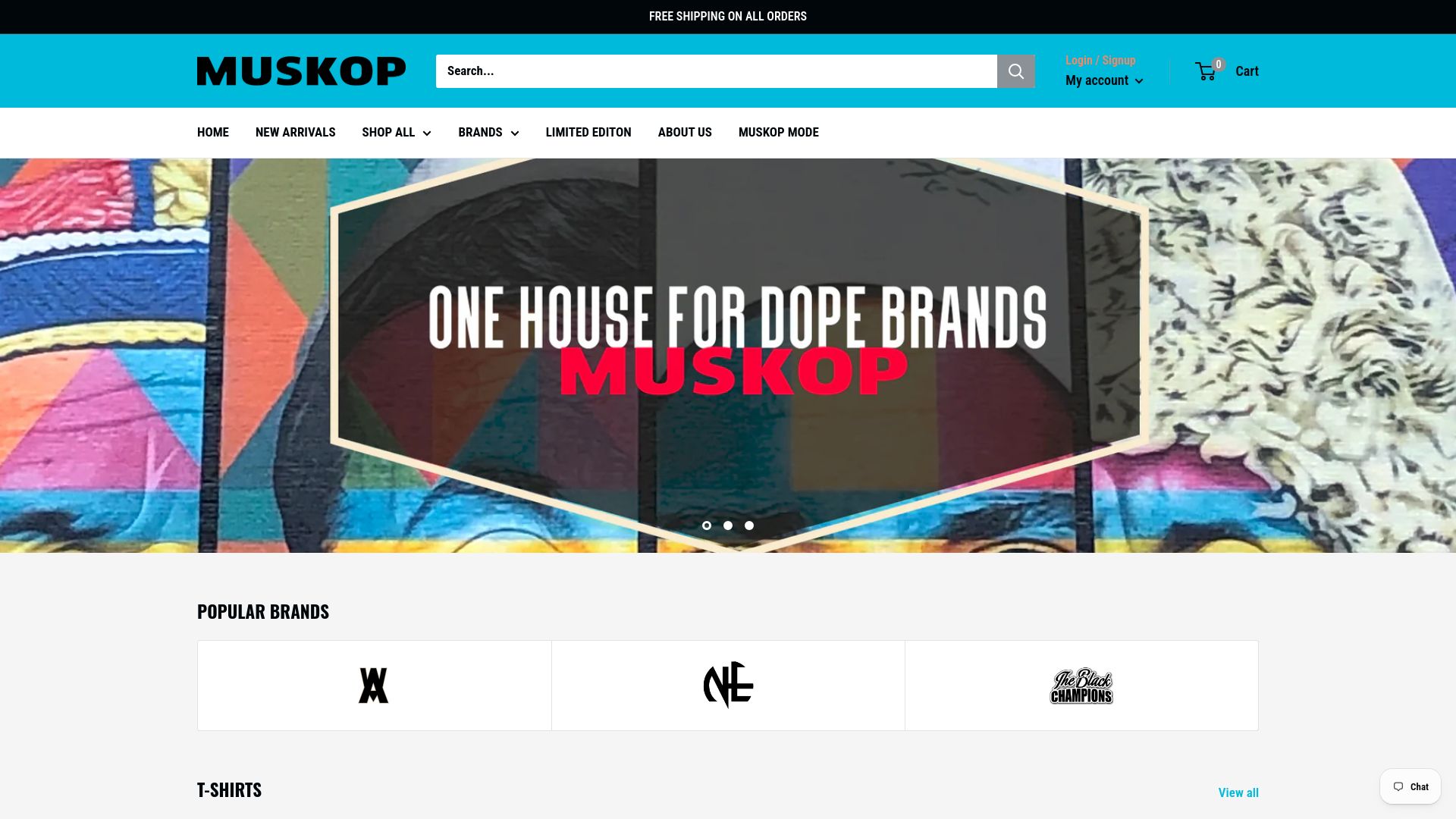
Imuskop builds its graphic tees around the same markers covered in this guide: combed ring-spun cotton in a midweight-to-heavyweight range, reinforced stitching at stress points, and original artwork printed on fabric dense enough to hold detail without cracking or fading early. Every order ships free, and Imuskop also offers interest-free payment plans through Affirm if you’d rather spread out the cost. If you want a fit rundown before committing to a size, the ultimate guide to men’s T-shirt styles and fabrics breaks down cuts across the current lineup. Ready to see the collection for yourself? Browse the current tees at Imuskop and check the fabric weight and construction details listed on each product page against everything you just learned.
Frequently Asked Questions
What GSM is considered good quality for a T-shirt? Most quality-focused retail tees fall between 180 and 200 GSM. Below 150 GSM, expect a lighter, less durable feel; above 200 GSM, you’re in heavyweight territory built for structure and longevity.
What is the difference between combed and ring-spun cotton? Combing removes short fibers and impurities before spinning; ring-spinning is the twisting process that turns cotton into yarn. The best fabric combines both, listed as “combed ring-spun” on a spec sheet.
Is Supima cotton actually worth the higher price? Yes, for shoppers who wear a tee heavily and want it to hold color and shape over multiple years. Supima’s extra-long-staple fiber produces stronger, smoother yarn that resists pilling and fading better than standard cotton.
How can I tell fabric weight from photos alone? You usually can’t with full confidence, which is why the listed GSM or ounce figure matters more than photos. If that number is missing, treat it as a gap to ask about before buying.
Does a low price always mean low quality? Not always, but genuine long-staple cotton, certified organic processing, and reinforced construction all add real cost. A steep discount on a shirt claiming those features is worth double-checking against reviews.
Sources
- Global-standard
- How to Identify a High-Quality T-Shirt: 7 Things to Check – Aarnic
- How to Choose T-Shirt Fabric: Cotton vs Polyester vs Tri-Blend Compared (2026) | T-Shirt Elephant