

For most hoodies, a low-pressure electric fabric shaver run over a flat, taut surface removes pills fastest with the least risk. No shaver on hand? A sweater stone or a fresh disposable razor, used with light, careful strokes, gets you most of the way there. Either method restores the surface texture, but neither reverses actual yarn wear, so a heavily pilled hoodie may look better, not brand new.
TL;DR:
- Electric fabric shavers are most effective for heavy pilling on cotton blends and synthetic fleece when used on taut, dry fabric.
- Lighter tools like sweater stones or disposable razors work best on delicate knits or isolated pills, but require careful handling to avoid fabric damage.
- Washing routines that turn the hoodie inside out and use cold water with mesh laundry bags significantly reduce pilling over its lifespan.
- Avoid pulling pills by hand and pushing a fabric too hard, especially on weakened or damaged areas, to prevent worsening the pilling or creating holes.
- Regular maintenance with a shaver should complement good laundry habits, as improper washing accelerates fabric wear more than pilling removal methods do.
Table of Contents
- Quick Overview: Best Methods to Remove Pilling From a Hoodie
- How to De-Pill a Hoodie With an Electric Fabric Shaver
- Manual Tools: Sweater Stones, Razors, Combs, and Quick Fixes
- How to Stop Hoodie Shedding Before It Starts
- Which Removal Method Fits Your Hoodie’s Fabric?
- What to Avoid When Removing Pills
- Muskop’s Care Notes for Streetwear Hoodies
- Keep Your Hoodie Looking Sharp All Season
- The Honest Take on Pilling Prevention
- Sources
Quick Overview: Best Methods to Remove Pilling From a Hoodie
Different tools suit different situations, and picking the wrong one on the wrong fabric is how people end up with a thin patch where a pocket used to be. Here’s the rundown before you commit to anything:
- Electric fabric shaver: fastest option for most cotton blends and synthetic fleece; adjustable and reusable.
- Sweater stone or pumice: slower but gentle, good for cotton blends and lighter pilling.
- Disposable razor: works in a pinch, requires the steadiest hand of any method here.
- Sweater comb: best for isolated pills on delicate knits.
- Small scissors: precise for a handful of stubborn pills, tedious for large areas.
- Velcro strip or hair roller: decent for light, loose pilling and quick touch ups.
- Lint roller or tape: not a removal tool by itself, but essential for cleanup after any of the above.
Whichever you grab, test it on an inside seam or hem first. Fabric behaves differently once it’s actually visible on the front panel, and a five-second test saves you from a mistake you can’t undo.
How to De-Pill a Hoodie With an Electric Fabric Shaver
An electric fabric shaver is the tool most people reach for first, and for good reason: it’s fast, consistent, and forgiving if you use it correctly.
- Wash the hoodie and let it dry completely. Damp fabric clogs the blades and pills more unevenly.
- Lay it flat on a table or ironing board and stretch the section you’re working on taut with your free hand.
- Set the shaver to its lowest height or speed setting and run it in slow, overlapping circles or sweeping passes.
- Work one panel at a time, front, then back, then each sleeve, checking your progress under a bright light before moving on.
- On heavier pilling, do a first pass to knock down the bulk of it, then a lighter second pass to clean up what’s left.
- Finish with a lint roller to lift loose fuzz, then empty the shaver’s collection bin so it doesn’t lose suction next time.
Pro Tip: Slow down near seams and drawstrings. The shaver’s guard can catch on raised stitching, so use short, shallow passes there instead of the long sweeps you’d use on open fabric.
Manual Tools: Sweater Stones, Razors, Combs, and Quick Fixes
Not every pilling problem needs a machine, and some fabrics actively prefer a lighter touch.
- Sweater stone or pumice: Hold it at a shallow angle and stroke in one direction only, never back and forth. It works well on cotton blends and mid-weight fleece where a shaver feels too aggressive.
- Disposable or safety razor: Stretch the fabric drum-tight, keep the blade nearly flat against the surface, and use short, light strokes. Only work on completely dry fabric; a damp razor drags instead of shaving. This is the riskiest method here, so reserve it for small, contained spots.
- Fine-tooth comb: Drag gently across pilled areas to gather fuzz into a removable clump, then snip it free with small scissors. Good for a stray pill or two on a sleeve cuff.
- Velcro roller or packing tape: Roll it over the surface to lift loose pills that are already halfway detached, more of a finishing move than a real fix.
Pro Tip: Keep a lint roller within reach the entire time you’re working. Stopping every few minutes to clear debris shows you exactly how much progress you’re actually making.
How to Stop Hoodie Shedding Before It Starts
Pilling results from friction causing short fibers to loosen from yarn and form tangled balls on the fabric surface. Washing machines, dryers, backpacks, and even sitting against a rough chair all contribute, but the washer and dryer do the most damage over a garment’s life. Prevention beats repeated removal because every de-pilling session, however careful, still wears down the fabric a little.
- Turn the hoodie inside out before it goes in the machine, so the printed or brushed outer surface isn’t the part rubbing against zippers and buttons.
- Wash on cold, on a delicate or hand-wash cycle, which cuts down on the tumbling action that roughs up fibers.
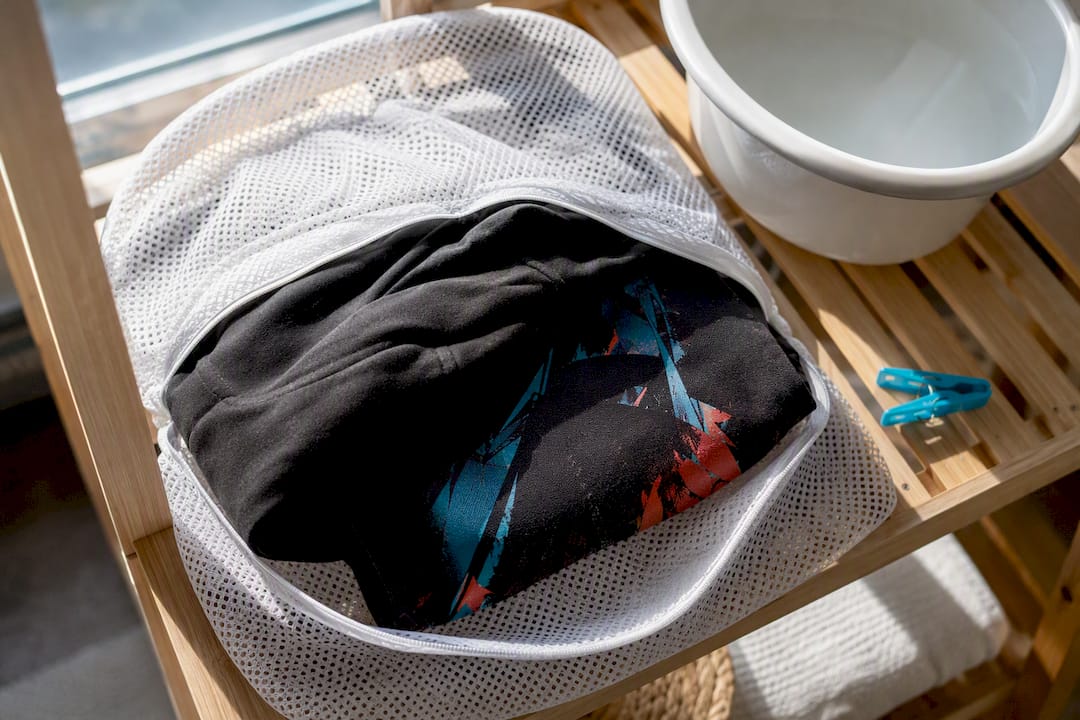
- Using a mesh laundry bag for fleece-lined or loosely knitted hoodies minimizes direct friction with other garments during washing.
- Sorting laundry by fabric type and weight reduces abrasive interactions, preventing excessive pilling.
- Air drying is preferable to using a dryer; when using a dryer, select the lowest heat setting to minimize fiber damage and pilling
- Avoid fabric softeners and choose mild liquid detergents rather than powders to prevent abrasive residues on synthetic fibers
- Reducing wash frequency helps limit fiber abrasion and extends hoodie lifespan
If you’re washing graphic prints alongside plain hoodies, the same inside-out, cold-water approach protects the artwork too. A guide on how to wash graphic tees covers the print-specific details.
Which Removal Method Fits Your Hoodie’s Fabric?
Matching the tool to the yarn matters as much as your technique, because a shaver that’s perfect for heavy fleece can chew through a delicate knit.
- Heavy fleece or synthetic blends: An electric shaver with a larger head handles these well; use the two-pass method on heavy pilling and skip the razor entirely, since thick fleece hides how much fabric you’re actually removing.
- Cotton blends: A sweater stone works nicely here, or a shaver on its lowest setting. Reserve the razor for small, isolated spots rather than full panels.
- Merino, cashmere, or other delicate natural fibers: Stick to a fine-tooth comb or a sweater stone used very lightly. Skip blades altogether. Dense synthetic knits tolerate shavers well, but loose natural knits need gentler tools, and cashmere in particular pills easily but tears just as easily under a blade.
If the care label doesn’t clarify the fiber content, test your chosen method on an inside hem before touching the front of the hoodie. Combed cotton, in particular, resists pilling better than standard cotton to begin with, which is worth knowing next time you’re shopping for a hoodie built to last. A breakdown of combed cotton versus cotton explains why.
What to Avoid When Removing Pills
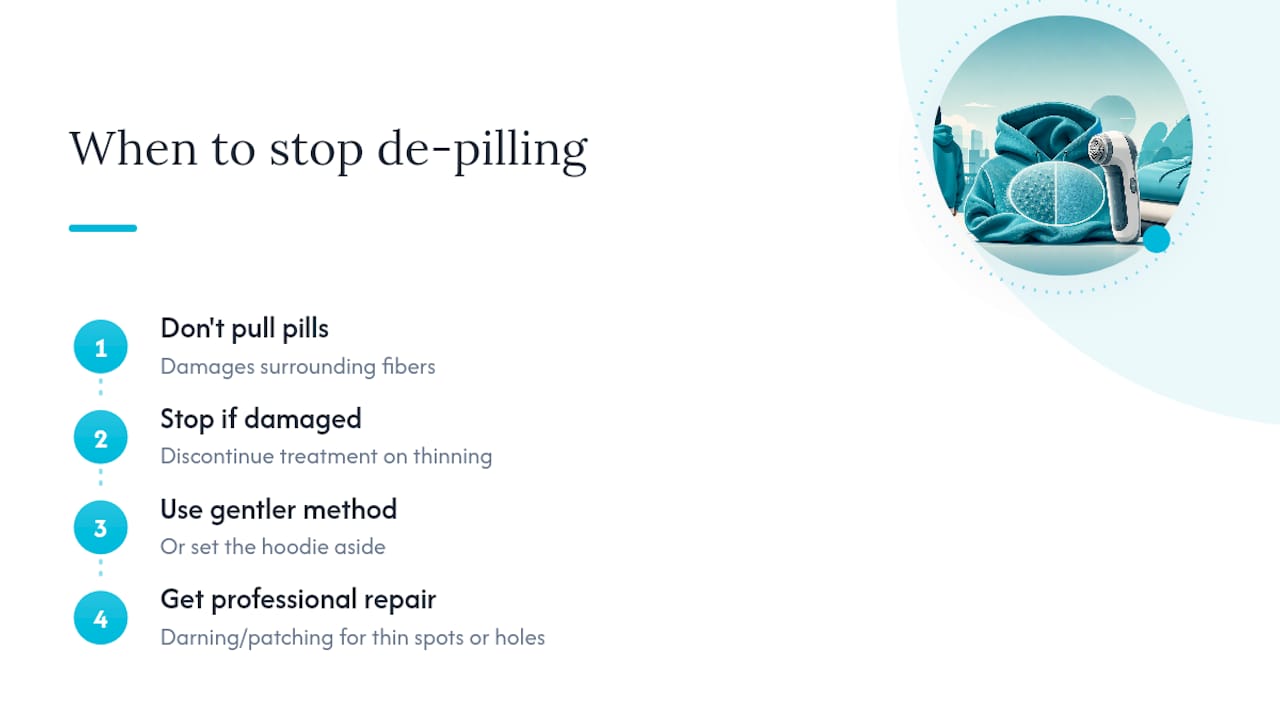
Avoid pulling pills off by hand, as it can damage surrounding fibers and worsen pilling.
Discontinue any treatment if the fabric shows thinning or damage to prevent further harm. Switch to a gentler method or set the hoodie aside rather than pushing through with more abrasion, which only compounds the damage. Most dry cleaners focus on cleaning and pressing and don’t offer de-pilling as a standard service, so plan on handling this at home in almost every case. For a hoodie that’s already developed a thin spot or small hole, professional darning or patching is a better move than continuing to shave or scrape the same worn area.
Muskop’s Care Notes for Streetwear Hoodies
Streetwear hoodies take a beating: backpacks, skateboards, constant washing between wears. An editor of the care content has found that most pilling complaints trace back to overloaded dryers and skipped mesh bags rather than fabric quality itself.
Protecting printed areas on graphic hoodies is as important as caring for the fabric to maintain appearance. Pair this guide with advice on washing black clothes without fading and removing deodorant stains from black shirts for a fuller care routine. Detergent dosage matters too. Purecise Clean’s guide on avoiding detergent overdosing in shared machines explains how excess suds can trap abrasive residue against fabric during the wash cycle.
Keep Your Hoodie Looking Sharp All Season
Ready to give a favorite hoodie some attention, or shopping for a new one built with pilling resistance in mind? Imuskop’s streetwear collection features original graphic hoodies made with quality materials designed to hold up to regular wear, with free shipping on every order and interest-free payment options through Affirm if you want to spread out the cost. Once you’ve got your de-pilling routine down, browse Imuskop’s hoodie outfit ideas for ways to style it once it’s looking fresh again.
The Honest Take on Pilling Prevention
Most advice on pilling treats removal as the main event and prevention as an afterthought, and that’s backwards. The research is consistent on this: washing habits do more to protect a hoodie over its lifetime than any shaver or stone ever will. A $15 electric shaver is a fine emergency fix, but if you’re reaching for it every month, the real problem is probably your laundry routine, not your hoodie.
The other thing people get wrong is treating every tool as interchangeable. A razor that’s perfectly safe on thick cotton fleece can slice through a merino blend in seconds, and I’d rather see someone spend an extra five minutes with a sweater comb than take a blade to a $60 hoodie because a video made it look easy. Prioritize the mesh bag and cold wash first. Save the shaver for maintenance, not damage control.
— Robert
Sources
- How to Remove Fabric Pilling for 2026: Pro Tips & Tricks - PillingNoMore
- Find out How to Wash and Depill a Sweater
Recommended
- The Ultimate Guide to Choosing the Perfect Streetwear Hoodie
- Top 5 Fashion Brands Redefining the Hoodie Trends
- Top Picks: Where to Buy Streetwear Hoodies for the Ultimate Look
- The Ultimate Guide to Buying Streetwear Hoodies: Where to Find the Best Deals
FAQ
How do you fix a pilled hoodie?
Wash the hoodie and let it dry fully, then lay it flat and stretch the fabric taut while running a low-pressure electric fabric shaver over it in slow, overlapping passes. Work one panel at a time and finish with a lint roller to clear loose fuzz. If you don't have a shaver, a sweater stone or a fresh disposable razor used with light, careful strokes gets you most of the way there.
Can I remove pilling from clothes using a razor?
Yes, a disposable or safety razor can work, but it is the riskiest method since it can cut fabric if you press too hard or work on damp material. Stretch the fabric drum-tight, keep the blade nearly flat, use short light strokes, and save it for small, contained spots rather than large areas.
Does a fabric shaver help with pilling?
Yes, an electric fabric shaver is generally the fastest and most effective tool for heavy pilling on cotton blends and synthetic fleece, as long as it is used on dry, taut fabric with the lowest height or speed setting. It restores the surface texture but won't reverse actual yarn wear on a heavily pilled hoodie.
Why is my hoodie pilling?
Pilling happens when friction causes short fibers to loosen from the yarn and tangle into small balls on the surface. Washing machines and dryers cause the most damage over a garment's life, with backpacks and rough surfaces like chairs adding to it too.